![OOONO CO-Driver NO2 [NEUES Modell 2025] - Optimierter CO-Driver fürs Auto - Warnt vor Tempo-Kontrollen und Gefahrenstellen - Wiederaufladbar - LED-Anzeige - CarPlay & Android Auto kompatibel](https://m.media-amazon.com/images/I/71Ot0GbZOsL._AC_SL1200_.jpg)
Evaluating the OOONO CO-Driver NO2: A Smartphone-Dependent Radar Warning System
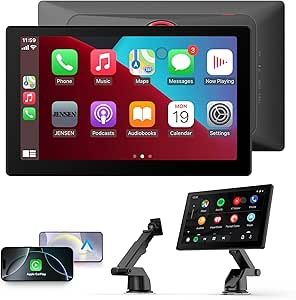
The OOONO CO-Driver NO2 represents a modern, app-dependent approach to driver assistance, specifically for German roads. Unlike traditional radar detectors, this device acts as a connected hub, requiring your smartphone's data connection and the OOONO app to provide warnings for speed cameras and hazard zones. Its 2025 model emphasizes CarPlay and Android Auto compatibility, shifting the primary interface to your vehicle's infotainment screen.
Key Considerations Before Buying
- This is not a standalone radar/laser detector; its effectiveness is entirely dependent on the accuracy and update frequency of its crowd-sourced database, which users contribute to via the app.
- The rechargeable battery and LED alert system are secondary features; the core value is the software integration and community-driven data, which may have coverage gaps on less-traveled roads or new enforcement sites.
- Compatibility with CarPlay and Android Auto is central to its design philosophy, meaning your in-car experience and data plan usage are critical factors in its daily utility.
What Our Analysts Recommend
For this product category, scrutinize the claimed database size and update mechanism—OOONO emphasizes its community. Check for specific mentions of Autobahn and inner-city performance in reviews, as detection logic can differ. Quality is indicated by reliable Bluetooth connectivity, clear app notification protocols, and a physical build that doesn't obstruct the driver's view.
Car Electronics Market Context
Market Overview
The market for connected driver alerts in Germany is bifurcating between traditional active radar detectors (which are illegal in some contexts) and app-based, database-driven systems like the OOONO. The latter leverages crowd-sourcing to navigate legal gray areas, focusing on pre-reported static and mobile camera locations rather than real-time signal interception.
Common Issues
Common issues include database latency where new speed traps aren't reported quickly, Bluetooth connectivity drops that break the core functionality, and battery life concerns for the standalone LED unit. App reliability and smartphone resource drain are also frequent user complaints in this connected-device subcategory.
Quality Indicators
Quality is shown through a transparent, frequently updated database with a large user base, low-latency Bluetooth 5.0+ connectivity, and an app that is resource-efficient. The hardware should have a discreet, secure mounting system and intuitive, non-distracting LED alerts for when the smartphone screen isn't active.
Review Authenticity Insights
Grade C Interpretation
A Grade C and an estimated 28% fake review rate suggest significant manipulation in the review set. The adjusted rating of 4.0/5, down from the displayed 4.6/5, indicates the organic sentiment is more mixed than the overall average suggests. This is a substantial red flag requiring careful review scrutiny.
Trust Recommendation
Prioritize reviews that mention specific, verifiable use-case details, like 'Autobahn drive between Cologne and Frankfurt' or note exact app behaviors. Be highly skeptical of vague, overly emotional 5-star reviews. The 1-star and 3-star reviews are likely more trustworthy for identifying real technical or coverage limitations.
Tips for Reading Reviews
Focus on reviews that discuss the integration process with CarPlay/Android Auto, specific battery life in hours of driving, and mentions of encountering actual speed controls. Look for critical feedback on the app's data consumption or notification delays, as these are substantive, hard-to-fake user experiences.
Expert Perspective
The OOONO CO-Driver NO2 is a specific solution for drivers who prefer a connected, community-based alert system over a traditional detector. Its high rating is inflated; the adjusted 4.0 score and authenticity grade point to a product with notable strengths but also real weaknesses, such as potential Autobahn performance gaps mentioned in the analysis. Its value is maximized for users who consistently drive with their smartphone integrated and primarily on well-traveled routes where the crowd-sourced database is robust.
Purchase Considerations
Weigh your typical routes against the crowd-sourced model—if you often drive on remote or newly constructed roads, coverage may fail. Consider your tolerance for being a beta tester; app-dependent devices can have unpredictable updates. The convenience of infotainment integration must be balanced against the reliability of your phone's connection and data plan.
Comparing Alternatives
Shoppers should directly compare this connected model with both traditional radar detectors (where legal) and competing app-only solutions to assess the necessity of the dedicated OOONO hardware.