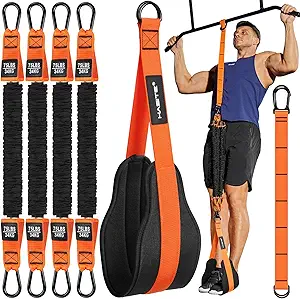
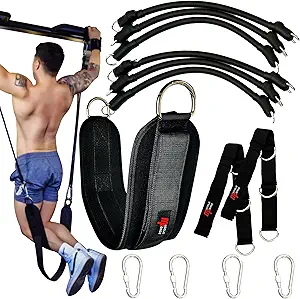
Pull-up assistance bands require durability, proper resistance levels, and secure attachments
Pull-up assistance bands differ from standard resistance bands by requiring specific tensile strength and attachment security for bodyweight support. This product's multi-use claims for pull-ups, stretching, and physical therapy demand versatile yet robust construction that many budget sets lack. Buyers should scrutinize the latex composition and loop stitching where failure typically occurs.
Key Considerations Before Buying
- For pull-up assistance, verify the band's maximum stretch capacity matches your bodyweight—light bands may snap during full extension if undersized.
- Check attachment points where bands connect to pull-up bars; frayed stitching or thin material indicates premature wear.
- Consider resistance progression: quality sets provide distinct tension levels (light to heavy) rather than minimally varied bands.
What Our Analysts Recommend
Premium pull-up bands feature layered latex construction with reinforced seams at anchor points. Look for bands listing exact resistance pounds (e.g., 15-150lbs) rather than vague 'light/heavy' descriptions. Quality indicators include anti-snap warnings at maximum elongation and textured surfaces that prevent slipping during workouts.
Resistance Bands Market Context
Market Overview
The pull-up assistance band market is flooded with nearly identical sets from multiple brands, creating intense competition that encourages review manipulation. Many products originate from the same manufacturers with different branding, making genuine differentiation rare. Consumers face difficulty distinguishing between actually durable bands and those with inflated claims.
Common Issues
Premature snapping during pull-up motions remains the most reported failure, often occurring at the seam or attachment loop. Bands losing elasticity after minimal use create inconsistent resistance, compromising workout effectiveness. Poor packaging leads to latex degradation before first use, reducing product lifespan significantly.
Quality Indicators
Genuine quality bands maintain consistent diameter thickness throughout their length without thin spots. High-quality sets include carrying bags that protect bands from UV exposure and ozone damage. Trustworthy manufacturers provide specific tensile strength data and recommended weight ranges for each band color.
Review Authenticity Insights
Grade F Interpretation
A Grade F with 75.80% potentially fake reviews indicates this product's 4.33/5 rating is artificially inflated and unreliable. The dramatic drop to 3.25/5 when excluding suspicious reviews suggests genuine user experiences are significantly less positive. This level of manipulation typically accompanies products with high return rates or consistent quality issues.
Trust Recommendation
Given the extreme fake review percentage, treat all positive reviews with skepticism—especially those emphasizing 'surprising quality' or 'better than expected.' Focus instead on critical 1-3 star reviews discussing specific failures like snapping, stretching out, or poor packaging. Consider this product higher risk than its surface rating suggests.
Tips for Reading Reviews
Search for reviews mentioning long-term use (3+ months) rather than initial impressions, as band degradation occurs over time. Prioritize reviews discussing actual pull-up assistance rather than general stretching. Be wary of reviews with identical phrasing across multiple products—common in coordinated fake review campaigns.
Expert Perspective
The discrepancy between the advertised 4.33 rating and adjusted 3.25 rating reveals concerning quality control issues masked by review manipulation. For pull-up assistance specifically, bands with high fake review percentages often cut corners on latex quality and seam reinforcement—critical safety factors when supporting full bodyweight. The broad claims covering pull-ups, physical therapy, and general fitness suggest marketing overreach rather than specialized design excellence.
Purchase Considerations
Weigh the risk of band failure during pull-ups against the cost savings—medical or injury costs could outweigh initial savings. Consider whether you truly need multi-purpose bands or would benefit from specialized pull-up assistance bands with verified weight ratings. The high fake percentage suggests researching alternative brands with more transparent review histories.
Comparing Alternatives
Compare this set's specifications against brands that clearly list latex thickness (typically 0.6mm-1.2mm for pull-up bands) and maximum elongation limits.