
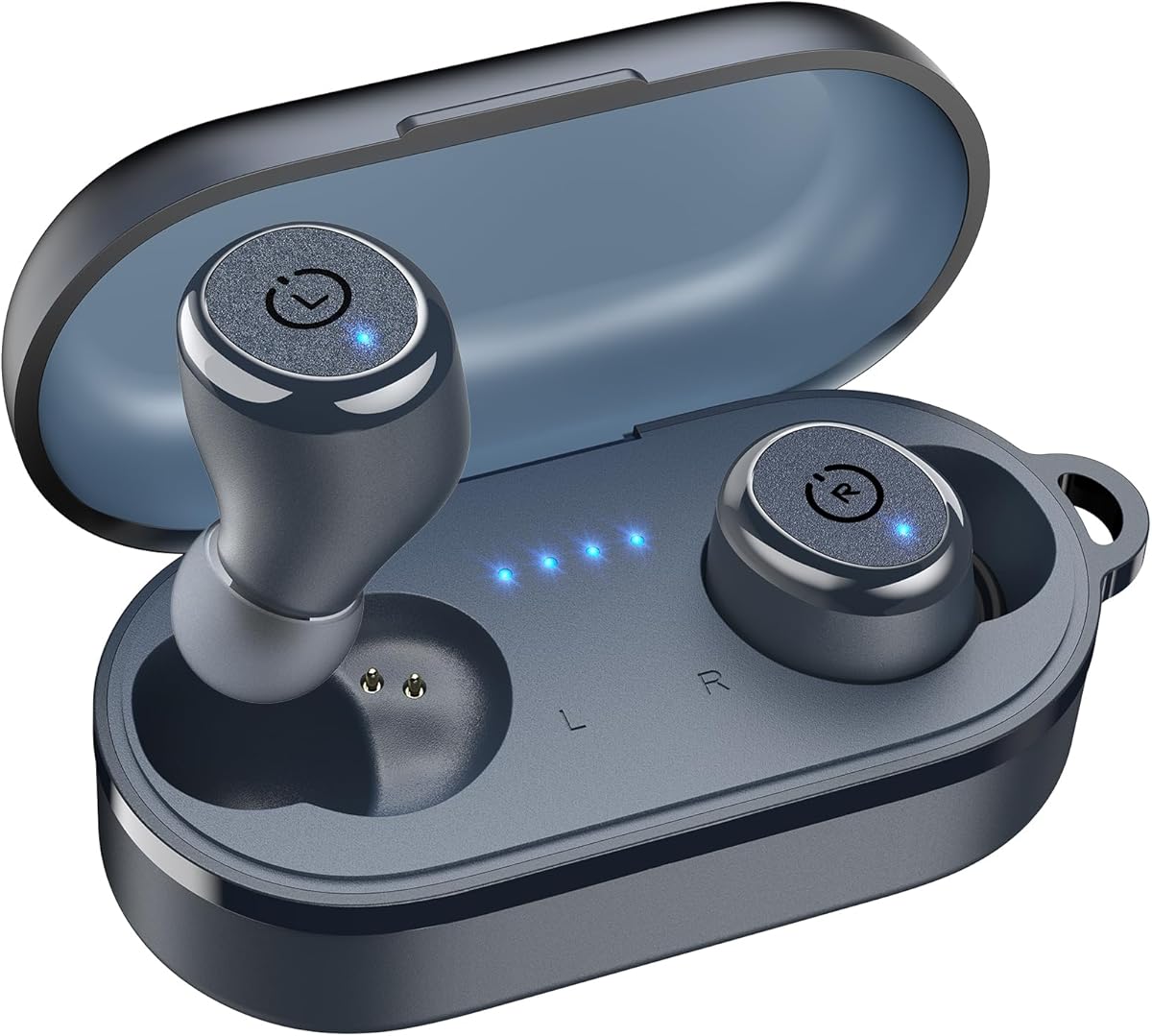
Evaluating TOZO T10's 55-hour battery and IPX8 rating for active lifestyles
When considering the TOZO T10 earbuds, focus on how their Bluetooth 5.3 connectivity and app-customizable EQ address specific listening preferences. The ergonomic design and IPX8 waterproof rating make these particularly suitable for workouts and outdoor use, while the wireless charging case adds convenience for daily charging routines.
Key Considerations Before Buying
- The 55-hour total playtime with case is impressive, but consider your actual usage patterns—most users won't need this extreme battery life unless traveling frequently without charging access.
- App-based EQ customization is valuable for tailoring sound to your preferences, but requires smartphone compatibility and willingness to engage with software settings rather than relying on preset modes.
- IPX8 waterproofing provides genuine protection against submersion, making these suitable for swimming and intense workouts, but proper ear tip sealing is crucial for both waterproofing and sound isolation.
What Our Analysts Recommend
Examine reviews mentioning the ergonomic fit over extended periods, as the in-ear design must balance comfort with noise isolation. Pay attention to comments about Bluetooth 5.3's stability during movement, particularly for active users who experience connection drops with older Bluetooth versions.
Earbud Headphones Market Context
Market Overview
The sub-$100 true wireless earbud market is intensely competitive, with brands like TOZO competing on specific features rather than overall superiority. Bluetooth 5.3 has become the new standard in this segment, offering improved power efficiency and connection stability over previous generations.
Common Issues
Many budget earbuds struggle with inconsistent touch controls, mediocre microphone quality for calls, and case battery degradation over time. Fit issues are particularly common with in-ear designs, as one-size-fits-all approaches rarely accommodate diverse ear anatomy effectively.
Quality Indicators
Look for specific mentions of call quality in noisy environments, as this separates basic earbuds from well-engineered ones. Consistent reviews about the wireless charging case's durability and the app's functionality indicate thoughtful implementation beyond basic specifications.
Review Authenticity Insights
Grade B Interpretation
A Grade B authenticity rating with 15% estimated fake reviews suggests generally reliable feedback, but requires careful filtering. The adjusted 4.00/5 rating (down from 4.33/5) indicates some review inflation, though not as severe as products with higher manipulation rates.
Trust Recommendation
Focus on reviews that mention specific use cases like workouts, commuting, or work calls rather than generic praise. The 258,798-review volume provides sufficient data to identify consistent patterns despite the estimated manipulation.
Tips for Reading Reviews
Prioritize reviews discussing the companion app's EQ customization experience and how it affects different music genres. Look for mentions of the ergonomic design during extended wear, as this reveals whether the fit works for various ear shapes beyond marketing claims.
Expert Perspective
The TOZO T10 presents a compelling package for active users who prioritize waterproofing and battery life over absolute audio perfection. The Bluetooth 5.3 implementation should provide reliable connections, though the sound quality will heavily depend on proper EQ customization through the companion app. The significant review volume with maintained 4+ star ratings suggests these deliver consistent value in their price segment, particularly for those needing IPX8-rated durability.
Purchase Considerations
Weigh the IPX8 waterproofing against your actual needs—if you won't use earbuds during swimming or intense sweating, you might find better audio quality in similarly priced non-waterproof options. Consider whether wireless charging convenience justifies potential case bulk compared to USB-C only alternatives.
Comparing Alternatives
Compare the T10's 55-hour claim against competitors' real-world battery performance, as manufacturers often calculate total playtime under unrealistic conditions.


