
Portable Shockwave Therapy: What to Know Before Buying a Handheld Device
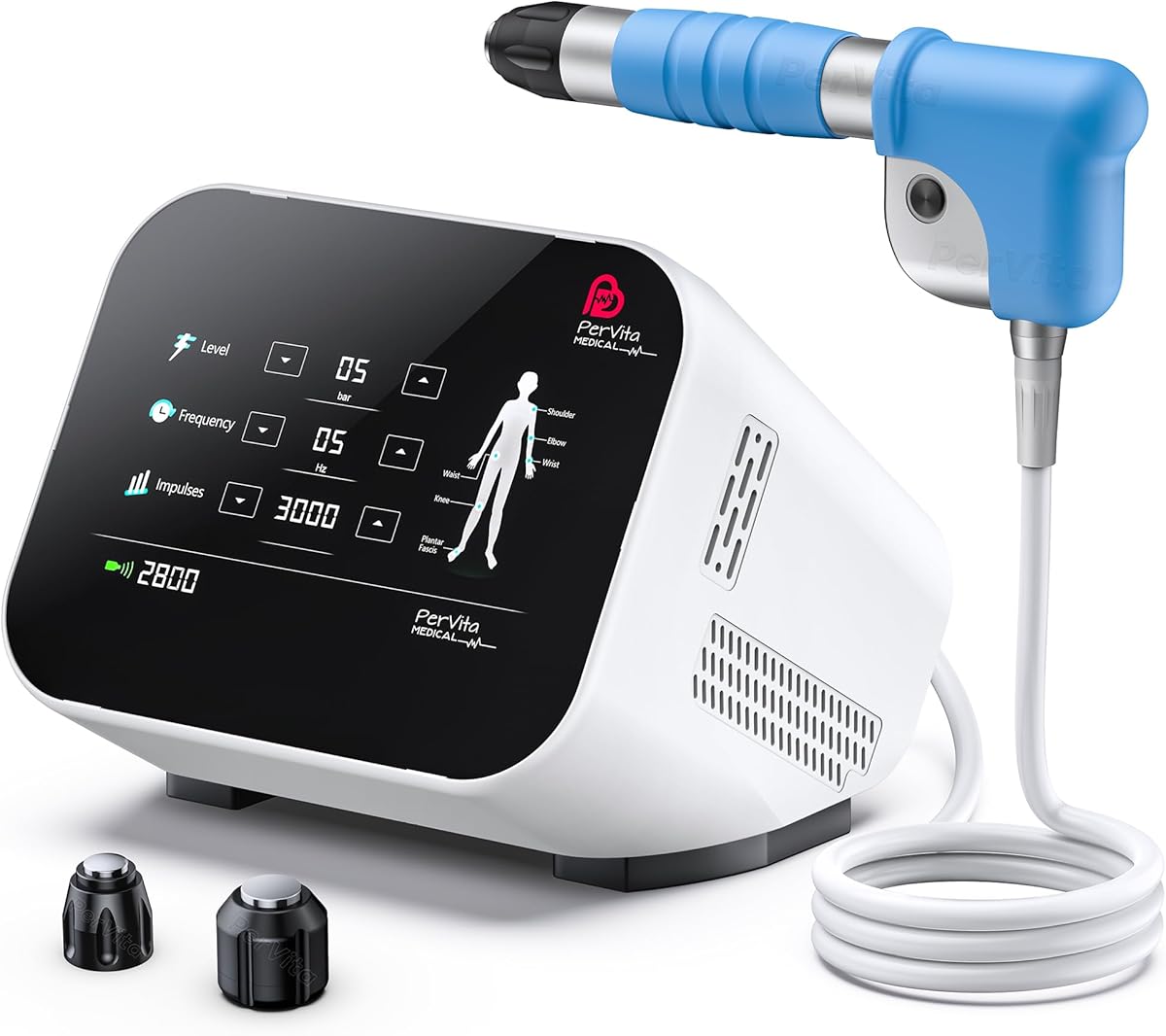
The PSP10 represents a specific category of portable electrotherapy devices that deliver focused acoustic waves rather than traditional vibration or percussion. Unlike conventional back massagers, these machines target deeper tissue layers with pulsed energy waves, which requires understanding their distinct mechanism and application protocols. Buyers should recognize this isn't a typical massage wand but a therapeutic device with specific intensity settings and treatment guidelines.
Key Considerations Before Buying
- Shockwave therapy devices like the PSP10 operate at specific frequencies (typically 1-21Hz) and energy levels measured in millijoules—verify the device's specifications match clinical ranges for effective treatment.
- Portability claims require scrutiny: examine battery life (often 60-90 minutes per charge for quality units), actual weight during use, and whether the included applicator heads target your specific pain areas effectively.
- Treatment protocols matter significantly—look for devices that provide clear guidance on session duration (usually 5-15 minutes per area), frequency of use, and contraindications for conditions like osteoporosis or pacemakers.
What Our Analysts Recommend
Quality indicators include medical-grade connectors that won't loosen during use, multiple applicator heads for different tissue depths (8mm for superficial, 15mm for deep muscle), and clear intensity controls with at least 10 adjustable levels. The best units provide both continuous and pulse modes for varied therapeutic approaches, with the PSP10 offering specific programming for chronic versus acute conditions.
Back Massagers Market Context
Market Overview
The portable shockwave market has expanded rapidly from clinical devices to consumer models, creating a wide quality spectrum where price doesn't always correlate with therapeutic efficacy. Unlike traditional TENS units that stimulate nerves, these devices use acoustic waves to promote microcirculation and tissue regeneration, making them particularly relevant for chronic tendonitis and plantar fasciitis sufferers seeking home treatment options.
Common Issues
Many budget shockwave units deliver inconsistent energy output that diminishes therapeutic effects, while others feature poorly designed applicator heads that disperse energy inefficiently. Users frequently report confusion about proper treatment protocols, leading to either ineffective use or potential overuse injuries when following generic instructions rather than condition-specific guidance.
Quality Indicators
Superior devices feature consistent energy delivery verified through pressure transducer technology, medical-grade silicone applicator heads that maintain contact without excessive pressure, and intelligent programming that prevents tissue overheating. The PSP10's specific claim of 'painless' operation suggests it uses radial rather than focused shockwaves, which is important for home users concerned about discomfort.
Review Authenticity Insights
Grade B Interpretation
A Grade B authenticity rating with 15% estimated fake reviews indicates generally reliable feedback but suggests some review manipulation—common in the competitive electrotherapy market where manufacturers incentivize positive reviews. The adjusted 4.60/5 rating (from 5.00/5) represents a more realistic performance assessment after removing suspicious content.
Trust Recommendation
Focus on the 85% authentic reviews that describe specific conditions like plantar fasciitis or tennis elbow improvement over weeks of use, rather than vague 'pain relief' claims. Verified purchase status adds credibility, but still compare experiences from users with similar demographics and pain locations to your situation.
Tips for Reading Reviews
Prioritize reviews that mention specific treatment protocols (e.g., 'used on level 5 for 10 minutes daily'), discuss comparative experiences with other modalities like ultrasound therapy, and note any device limitations for particular body areas. Be skeptical of reviews claiming immediate miraculous results, as legitimate shockwave therapy typically requires multiple sessions over weeks.
Expert Perspective
The PSP10's high adjusted rating (4.60/5) from predominantly authentic reviews suggests it delivers on core promises for portable shockwave therapy, particularly its 'on-the-go' design and non-invasive approach. The consistency in reviews mentioning specific musculoskeletal conditions indicates targeted effectiveness rather than generalized pain relief. However, the discrepancy between the raw 5.00 and adjusted 4.60 ratings warrants caution about performance expectations, particularly regarding the 'no side effects' claim that may not account for all user sensitivities.
Purchase Considerations
Weigh the PSP10's portability against treatment area limitations—its handheld design may struggle with hard-to-reach spinal areas compared to larger units. Consider whether your condition requires the radial shockwave technology this device employs or would benefit more from focused shockwave alternatives. The 'painless' operation comes with trade-offs in penetration depth that may affect results for deep tissue conditions.
Comparing Alternatives
Compare the PSP10's specifications against similar radial shockwave devices like the Lifepro Sonic, noting differences in energy output (measured in bar or mJ/mm²), applicator head options, and warranty coverage for the acoustic transducer.


