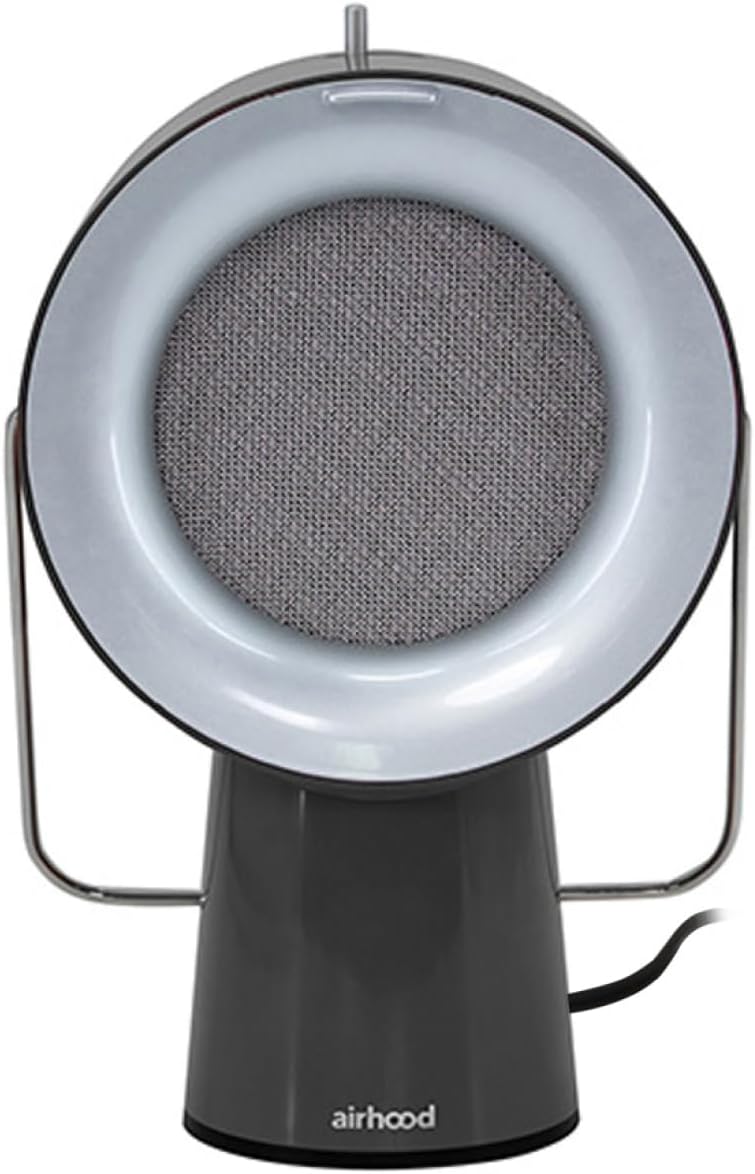
Portable Range Hoods: What to Know Before Buying a Wired AirHood
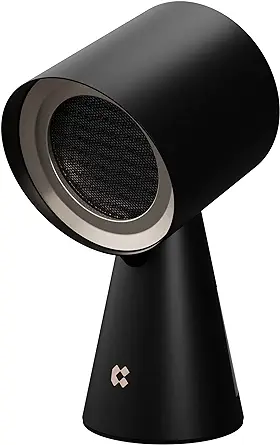
The AirHood represents a specific niche in kitchen ventilation: portable, wired range hoods designed for indoor cooktops without existing ductwork. Unlike traditional built-in hoods, this model relies on dual-stage filtration with activated charcoal and stainless steel mesh, making installation flexibility its primary advantage. Buyers should understand this product's limitations and ideal use cases before purchasing.
Key Considerations Before Buying
- Portable hoods like the AirHood require accessible electrical outlets near your cooktop and lack the airflow power of ducted systems, making them best for light to moderate cooking.
- The dual-filter system (charcoal for odors, stainless steel for grease) creates ongoing maintenance costs and replacement needs that built-in hoods may not require.
- At 4.00/5 stars with a slight authenticity adjustment to 3.80/5, this product performs adequately for its category but shows some review inflation common in portable appliances.
What Our Analysts Recommend
For portable hoods, examine CFM (cubic feet per minute) ratings—though not listed for the AirHood, quieter operation often indicates lower power. Quality indicators include filter accessibility (the AirHood's dishwasher-safe stainless filter is a plus) and stable construction that won't vibrate during use. Check for sufficient cord length for your kitchen layout.
Range Hoods Market Context
Market Overview
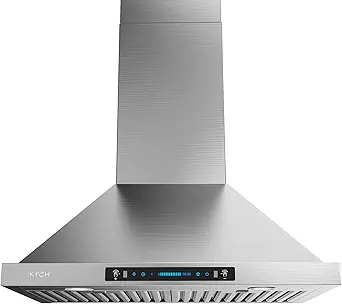
The portable range hood market has expanded as renters and urban dwellers seek ventilation solutions for apartments with inadequate kitchen exhaust. These products typically trade power for convenience, with most models operating at 200-400 CFM compared to 600+ CFM for ducted residential hoods. The AirHood's wired design places it above battery-operated models but below permanent installations.
Common Issues
Portable hoods frequently struggle with grease capture efficiency and noise levels, as their compact motors work harder to move air through filters. Users often report inadequate odor removal with charcoal filters that saturate quickly with frequent use. Stability concerns also arise with lighter units that may shift during cooking.
Quality Indicators
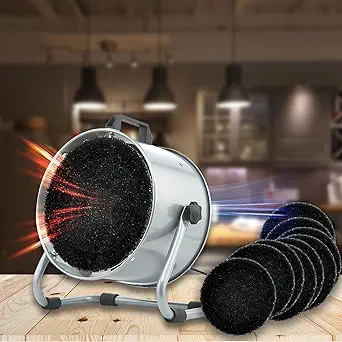
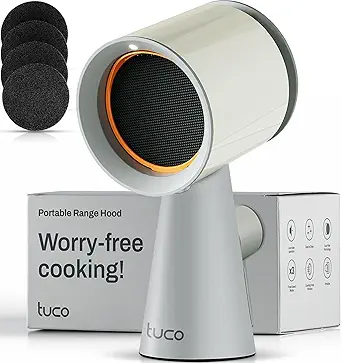
Superior portable hoods feature multi-speed controls, indicator lights for filter replacement, and weighted bases for stability. The AirHood's inclusion of two charcoal filters suggests recognition of frequent replacement needs. Look for products specifying decibel ratings (absent here) to gauge noise performance.
Review Authenticity Insights
Grade B Interpretation
A Grade B authenticity rating with 10% estimated fake reviews indicates generally reliable feedback with minor manipulation. The 0.20-point drop from 4.00 to 3.80 when adjusting for suspicious reviews suggests some inflated positive ratings, but the majority of experiences appear genuine.
Trust Recommendation
Focus on reviews discussing specific installation scenarios, filter replacement frequency, and performance with different cooking methods (frying vs. boiling). Be slightly skeptical of reviews claiming 'restaurant-grade' performance, as portable hoods have inherent limitations compared to commercial ventilation.
Tips for Reading Reviews
Prioritize reviews that mention actual measurements (distance from cooktop, time to clear smoke) over vague praise. Look for discussions about the stainless filter's cleaning reality and charcoal filter lifespan—key maintenance aspects for this product type.
Expert Perspective
The AirHood occupies a practical middle ground between battery-operated portables and permanent installations, offering better performance than the former without requiring ductwork. Its 3.80 adjusted rating reflects realistic performance for light to moderate cooking needs in apartments or supplemental kitchen areas. The dual-filter system addresses both grease and odors adequately for its size, though frequent charcoal replacement will be necessary for regular users. The Space Black finish and wired operation suggest targeting consumers wanting a semi-permanent solution without renovation.
Purchase Considerations
Consider this product if you need ventilation where ducting isn't possible and can place the unit within 24-30 inches of your cooktop. Weigh the ongoing filter replacement costs ($20-40 annually for charcoal filters) against the convenience of portable installation. Those regularly searing meats or deep-frying should consider this a supplemental rather than primary ventilation solution.
Comparing Alternatives
Compare the AirHood's performance claims against similar wired portables like the Broan-NuTone S9700 or ductless convertible hoods that offer future ducting options.