Choosing a UV flashlight: Why wavelength, power, and build quality matter most
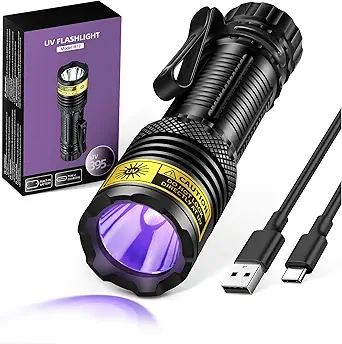
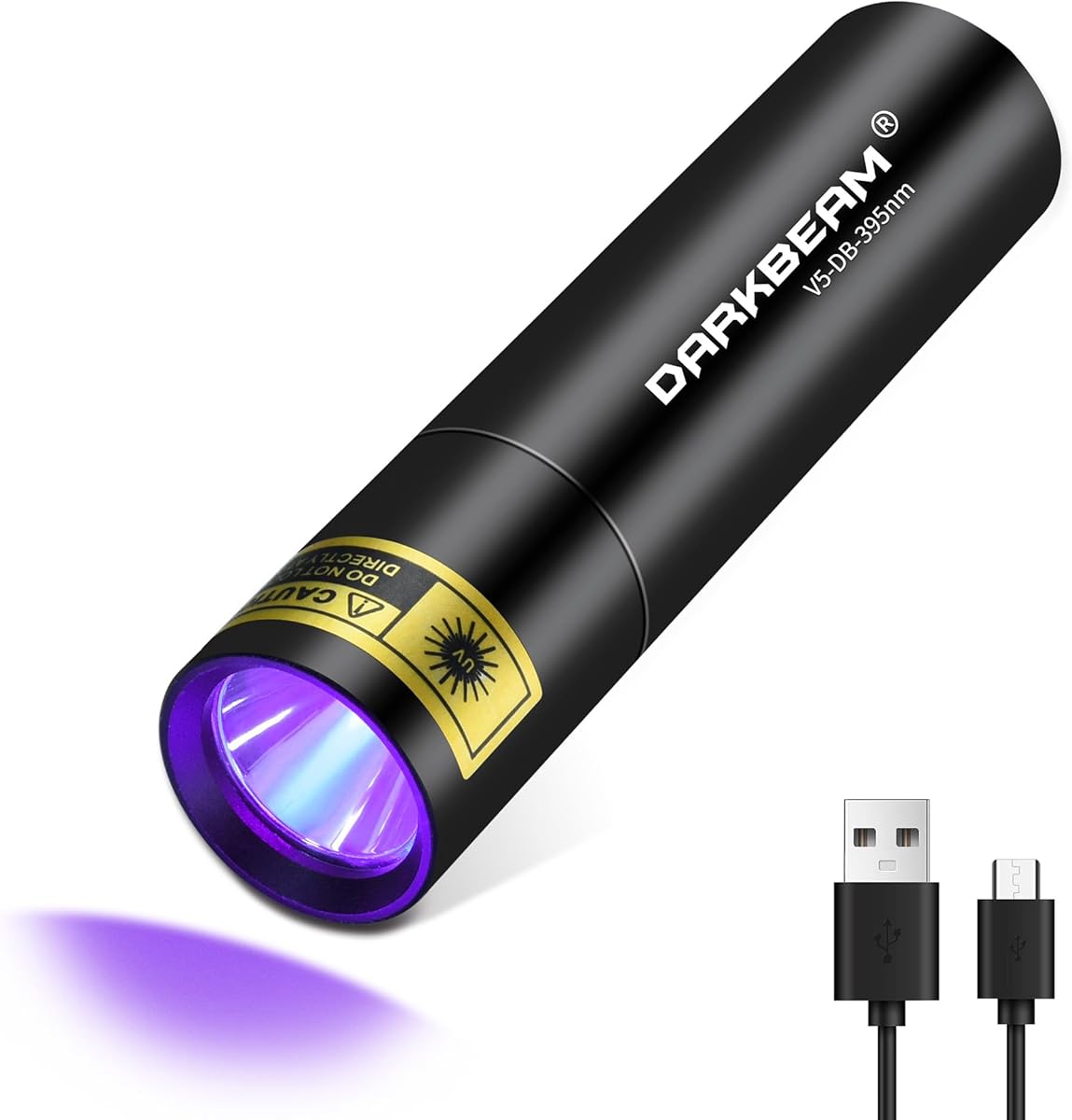
When selecting a UV flashlight like the DARKBEAM 395nm model, buyers must understand that not all ultraviolet lights perform equally across different tasks. This specific product's USB-C rechargeable design and compact form factor offer convenience, but its effectiveness for detecting pet stains versus curing resin depends on precise technical specifications that many shoppers overlook.
Key Considerations Before Buying
- Wavelength accuracy is critical—395nm is ideal for making common household stains and security features fluoresce, but insufficient for some specialized resin curing that requires 365nm.
- True output power, not just advertised 'powerful' claims, determines how effectively it illuminates stains in daylight or reveals details in forensic applications.
- Build quality around the LED emitter affects both durability and beam consistency, with cheaper lights showing uneven output or rapid degradation of UV intensity.
What Our Analysts Recommend
Quality UV flashlights feature precise wavelength labeling (like this model's 395nm claim), heat dissipation design around the LED, and consistent beam patterns without dark spots. For the DARKBEAM specifically, examine reviews mentioning actual detection performance in lit rooms rather than just dark environments.
Handheld Flashlights Market Context
Market Overview
The handheld UV flashlight market has expanded from niche forensic tools to consumer products, creating significant variation in quality between professional-grade instruments and mass-produced imports. Products like the DARKBEAM occupy a middle ground, offering specialized functionality at consumer electronics pricing.
Common Issues
Many budget UV flashlights suffer from exaggerated wavelength claims, inconsistent output that fades with use, and poor battery systems that limit runtime. The 'mini but powerful' claim common in this segment often masks trade-offs in heat management and sustained brightness.
Quality Indicators
Genuine quality indicators include third-party spectral analysis verification, detailed runtime specifications at stated output, and manufacturer transparency about LED source and driver circuitry. The DARKBEAM's USB-C charging represents a modern feature, but doesn't guarantee superior UV performance.
Review Authenticity Insights
Grade C Interpretation
The Grade C authenticity rating and 28% estimated fake reviews indicate significant manipulation concerns with this product's feedback. This suggests organized efforts to boost ratings, particularly concerning given the polarized distribution where 85% of reviews are 5-star.
Trust Recommendation
Focus on verified purchase reviews that mention specific use cases like detecting dried pet urine on particular surfaces or curing times for specific resin brands. Be skeptical of reviews using identical marketing language found in the product title.
Tips for Reading Reviews
Prioritize reviews discussing beam consistency over time, actual detection performance in realistic conditions, and comparative testing against other UV wavelengths. The single negative review may offer more actionable insights than numerous glowing testimonials.
Expert Perspective
The DARKBEAM presents a concerning discrepancy between its high 4.77 Amazon rating and adjusted 4.10 rating after authenticity analysis, suggesting potential review manipulation. While its 395nm wavelength and USB-C features align with current market trends, the authenticity issues warrant caution. The product's multi-use positioning—from pet stain detection to resin curing—may indicate compromised specialization, as optimal performance across these applications typically requires different engineering priorities.
Purchase Considerations
Weigh the convenience of USB-C charging against the authenticity concerns, and consider whether your primary use requires true 395nm precision or would tolerate variance. For critical applications like security verification or detailed forensic work, the review authenticity issues suggest seeking more transparently reviewed alternatives.
Comparing Alternatives
Shoppers should compare spectral specifications and runtime data with similarly priced UV flashlights from brands with established reputations in optical tools.