
Choosing a Ceramic PTC Heater: What the DREO's 70° Oscillation and Remote Reveal
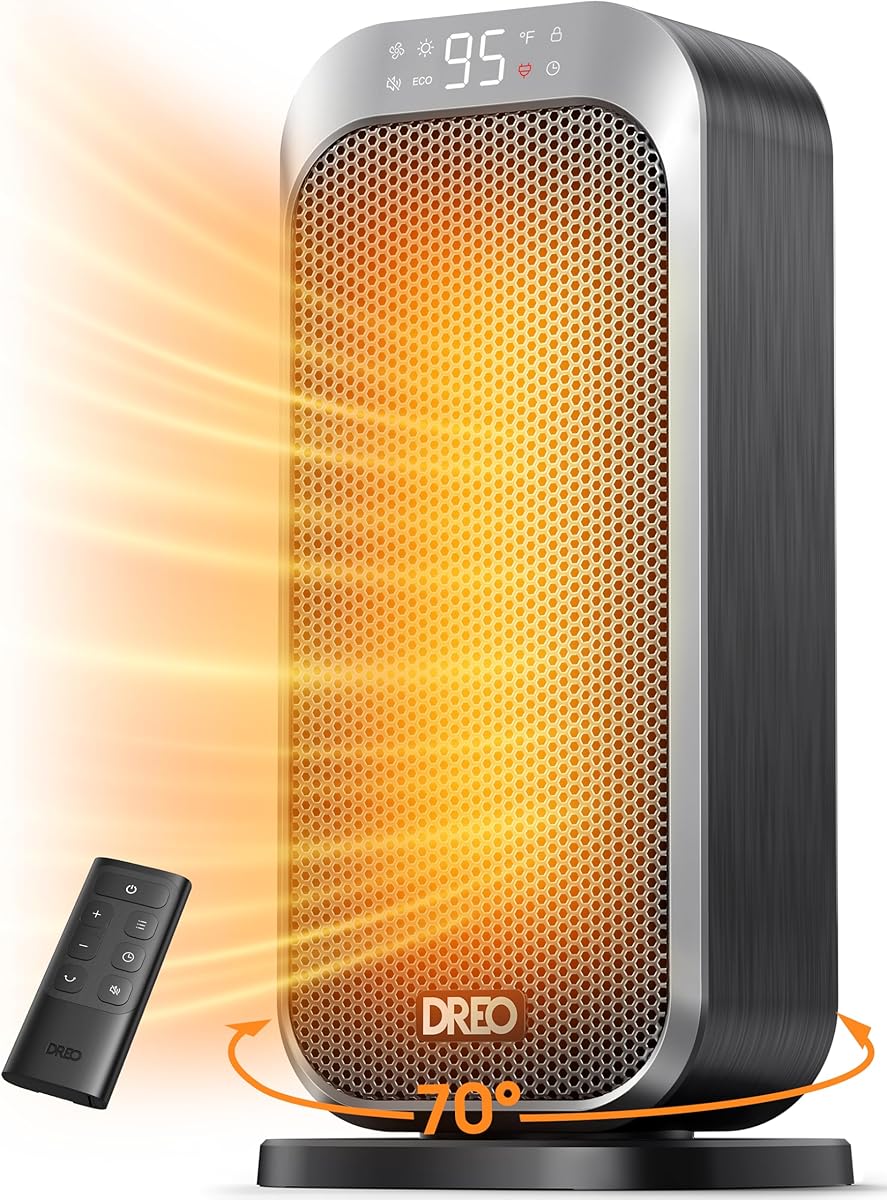
When evaluating the DREO Quiet Space Heater, focus on its core PTC ceramic heating element, which offers faster heat-up times and inherent safety compared to traditional coil heaters. The 70° wide oscillation and 12-hour programmable timer are specific features that define its utility in bedroom or office settings.
Key Considerations Before Buying
- Assess if the 1500W maximum output is suitable for your room size; this wattage is standard for heating up to 150 sq ft but may cycle on high in larger spaces.
- The remote control and oscillation are convenience features that matter most if you'll use this heater from across a room, like in a home office or while in bed.
- Consider the safety certifications and tip-over protection, which are critical for unsupervised operation, especially with the 12-hour timer for overnight use.
What Our Analysts Recommend
For ceramic heaters, prioritize units with multiple heat settings (like the DREO's likely low/medium/high) and an adjustable thermostat. Build quality indicators include a stable base, smooth oscillation mechanism, and intuitive control placement, not just plastic thickness.
Electric Space Heaters Market Context
Market Overview
The electric space heater market is saturated with ceramic PTC models, where competition hinges on added features like oscillation, remote controls, and smart timers rather than core heating technology. The DREO enters a mid-tier segment competing on quiet operation and design.
Common Issues
Common failures include faulty thermostats leading to short-cycling, noisy fans or oscillation motors, and remote controls that lose pairing. Plastic housings can also emit odors during initial use, a frequent mention in early reviews for many models.
Quality Indicators
Look for clear documentation of safety certifications (UL, ETL), a warranty of at least 1 year, and reviews that mention consistent performance over multiple seasons. A high-quality ceramic element should provide steady heat without noticeable hot/cold spots in its airflow.
Review Authenticity Insights
Grade B Interpretation
A 'Grade B' with an estimated 15% fake review rate suggests the DREO's reviews are generally reliable but require discernment. The adjusted rating of 4.50/5 (down from 4.89) is a strong, realistic score for a well-performing heater.
Trust Recommendation
Focus on verified purchase reviews that detail long-term use over weeks or months, not just initial impressions. Be slightly skeptical of reviews that only praise the remote or packaging without mentioning heat output or noise levels.
Tips for Reading Reviews
For heaters, prioritize reviews that specify room size, outdoor temperature, and utility bill impact. Authentic reviews often compare noise levels to a computer fan or describe exact placement (e.g., 'under my desk,' '6 feet from bed').
Expert Perspective
The DREO heater's data indicates a product that likely performs its core function well, earning genuine satisfaction. The high authentic rating (4.50) suggests the PTC ceramic element, oscillation, and remote deliver on promises for most users. The minor authenticity flags mean its reputation is solid but not artificially pristine. Its value proposition lies in bundling oscillation and a remote at a competitive price point for the ceramic heater category.
Purchase Considerations
Weigh the DREO's feature set against your primary use case: the 70° oscillation is valuable for area heating but less crucial for personal, directional heat. If you need simple, set-and-forget heat without bells and whistles, you might find a comparable, less expensive model.
Comparing Alternatives
Shoppers should compare the DREO's specs and price directly against similar oscillating ceramic heaters from brands like Lasko and Honeywell to assess value.


