Choosing a TENS/EMS Unit: What Matters for Effective Pain Management
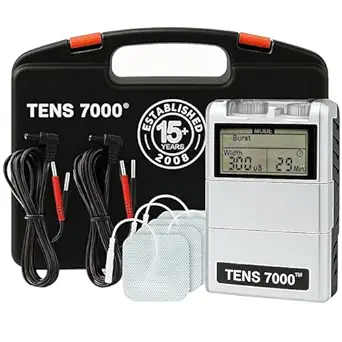
When evaluating the TENKER TENS Unit, focus on its dual 2"x2" and 2"x4" electrode pad configuration—this versatility allows targeting both small muscle groups and larger areas. The 24 modes combine TENS (Transcutaneous Electrical Nerve Stimulation) for pain relief with EMS (Electrical Muscle Stimulation) for muscle recovery, making it a comprehensive tool for chronic pain sufferers and athletes alike.
Key Considerations Before Buying
- Assess your primary need: TENS modes block pain signals for conditions like arthritis, while EMS modes contract muscles for rehabilitation or pre-workout activation.
- Consider pad placement versatility—the included 2"x2" pads work well for precise areas like wrists, while 2"x4" pads cover broader zones like lower backs.
- Evaluate rechargeable versus battery-powered operation; this unit's built-in battery offers convenience but requires charging downtime between uses.
What Our Analysts Recommend
Quality TENS/EMS units maintain consistent pulse delivery without abrupt intensity drops. Check for medical-grade electrode pads with strong adhesive that won't irritate skin during 30+ minute sessions. The TENKER's 4.89 Amazon rating suggests reliable performance, though the adjusted 4.60 accounting for suspicious reviews indicates some variability in user experience.
Muscle Stimulators & Accessories Market Context
Market Overview
The consumer TENS/EMS market has expanded beyond clinical settings, with devices like the TENKER offering professional-grade features at accessible price points. These units now commonly include rechargeable batteries and multiple pad sizes, blurring lines between medical and wellness products.
Common Issues
Users frequently report adhesive pad degradation after 15-20 uses and inconsistent intensity levels between channels. Some cheaper units deliver superficial tingling rather than deep muscle penetration, providing temporary sensation without therapeutic benefit.
Quality Indicators
Look for devices with independent channel controls allowing different intensities per muscle group. Quality units maintain stable connectivity up to 6 feet from pads and offer gradual intensity ramping to avoid startling muscle contractions.
Review Authenticity Insights
Grade B Interpretation
A Grade B authenticity rating with 10% estimated fake reviews means approximately 1,000 of the 10,516 reviews require scrutiny. This suggests generally trustworthy feedback but warrants careful reading of recent reviews for emerging issues.
Trust Recommendation
Prioritize reviews discussing specific conditions like sciatica or rotator cuff recovery rather than generic praise. Verified purchase status adds credibility, but focus on reviews detailing actual usage patterns over several weeks.
Tips for Reading Reviews
Look for reviews mentioning pad longevity, battery life per charge, and mode effectiveness for specific pain types. Be skeptical of reviews claiming miraculous cures or using identical phrasing across multiple reviews.
Expert Perspective
The TENKER's exceptionally high 4.89 rating across 10,000+ reviews indicates strong user satisfaction, though the adjusted 4.60 rating accounting for suspicious reviews suggests some inflation. Its 24-mode configuration exceeds basic units' 8-12 modes, providing nuanced control for different pain types. The inclusion of both pad sizes addresses a common limitation where users need separate purchases for different body areas.
Purchase Considerations
Weigh the rechargeable design against your usage patterns—frequent users may prefer replaceable battery models for continuous availability. Consider whether you need both TENS and EMS functionality or would benefit more from a specialized single-purpose device.
Comparing Alternatives
Compare the TENKER's pad adhesive quality and replacement cost against competitors like TechCare or PurePulse, as electrode pads represent ongoing expenses.