
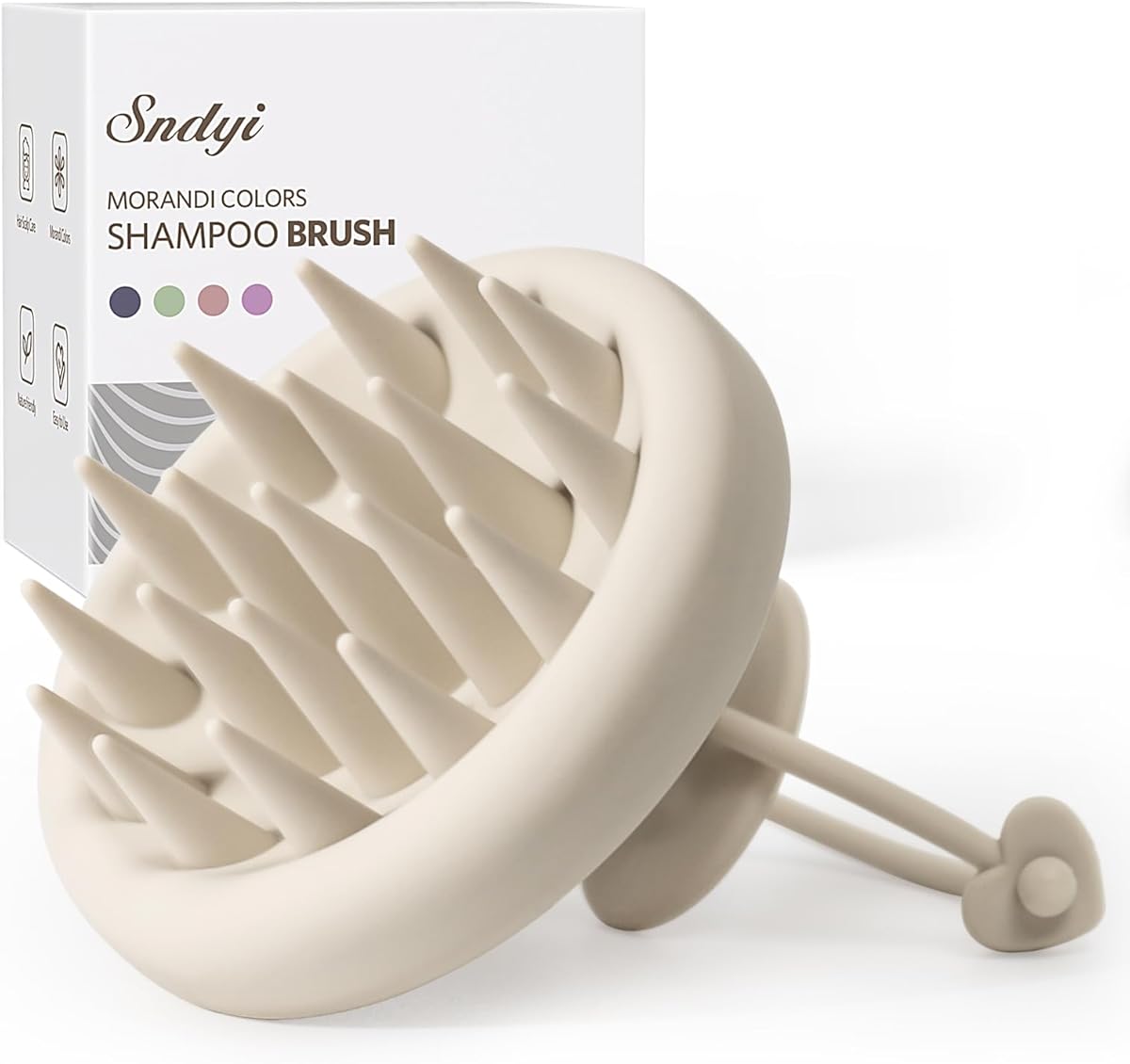
Choose a silicone scalp brush with proper bristle density and ergonomic design
The Sndyi Scalp Massager stands out with its oatmeal-colored silicone bristles and dual-purpose wet/dry functionality. Buyers should evaluate whether this specific brush's bristle firmness and handle design match their scalp sensitivity and shampooing technique.
Key Considerations Before Buying
- Assess bristle flexibility—the Sndyi's soft silicone bristles are designed for sensitive scalps but may lack the exfoliation power some users seek for dandruff removal.
- Consider handle ergonomics—this brush's compact oval shape with finger grooves requires specific grip techniques during wet, soapy conditions.
- Evaluate multi-use claims—while marketed for both wet and dry use, the effectiveness of silicone bristles on dry hair depends on hair thickness and texture.
What Our Analysts Recommend
Quality silicone scalp brushes feature seamless construction where bristles integrate with the base to prevent water trapping. The Sndyi's bristle pattern—with alternating longer and shorter nubs—indicates intentional design for varied pressure points, a detail separating it from uniform-bristle competitors.
Market Context
Market Overview
The silicone scalp brush market has shifted from basic plastic models to specialized designs like the Sndyi's oatmeal-colored brush, which targets both scalp care aesthetics and functional claims about hair growth stimulation. Current offerings increasingly emphasize dermatologist-recommended materials over traditional nylon bristles.
Common Issues
Many scalp brushes fail at the handle-bristle junction, where water infiltration causes mold in hollow designs. Others feature bristles too rigid for daily use or too flexible to provide meaningful exfoliation, creating a Goldilocks problem the Sndyi attempts to solve with its medium-firm silicone.
Quality Indicators
Premium silicone brushes maintain consistent bristle density across the entire surface—note how the Sndyi maintains spacing even at the edges. Quality indicators include food-grade silicone certifications (often unstated) and weight distribution that prevents the brush from flipping during use.
Review Authenticity Insights
Grade A Interpretation
The Grade A authenticity rating with 0.00% estimated fake reviews means the 4.9/5 rating from 4,568 reviewers represents genuine user experiences. This exceptional score suggests consistent product performance rather than manipulated perception.
Trust Recommendation
Given the perfect authenticity metrics, you can trust that reviews mentioning specific details—like the oatmeal color hiding mineral deposits or the brush's performance on thick versus fine hair—reflect actual user observations rather than promotional content.
Tips for Reading Reviews
Focus on reviews discussing long-term durability (6+ months) and comparisons with other silicone brushes, as these provide substantive insights beyond initial impressions. Note mentions of bristle integrity after repeated sterilization—a key concern with silicone products.
Expert Perspective
The Sndyi brush demonstrates what consumers prioritize: gentle yet effective silicone bristles, aesthetic appeal with its oatmeal color, and versatile wet/dry functionality. Its 4.9/5 rating across thousands of verified reviews indicates it delivers on core promises—scalp stimulation and shampoo distribution—without the common pitfalls of mold-prone designs or overly aggressive bristles. The product's success lies in balancing exfoliation claims with actual gentle design suitable for sensitive scalps.
Purchase Considerations
Weigh the brush's compact size against your hand size and shampooing technique—some users with limited mobility may prefer larger handles. Consider whether the specific bristle pattern (concentrated in center, tapered at edges) matches your preferred massage motion, as circular versus linear motions yield different experiences.
Comparing Alternatives
Shoppers should compare bristle density and handle shapes with similar-priced silicone brushes, as these physical differences significantly impact user experience despite similar marketing claims.


