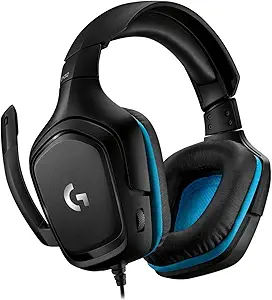
Evaluating the HyperX Cloud III: A Wired Gaming Headset with Multi-Platform Connectivity
When considering the HyperX Cloud III, focus on its wired versatility across PC, PlayStation 5, and Xbox Series X|S via its included USB-C, USB-A, and 3.5mm connectors. This specific model emphasizes angled 53mm drivers for spatial audio and a 10mm microphone, positioning it as a feature-rich, cross-platform solution rather than a specialized competitive FPS headset.
Key Considerations Before Buying
- Assess your primary platform: The inclusion of both USB-C and a 3.5mm jack offers flexibility, but DTS Spatial Audio processing requires a USB connection, a key factor for PC and next-gen console users seeking immersive soundscapes.
- Evaluate comfort for long sessions: HyperX's signature memory foam and durable aluminum frame are proven, but the non-detachable cable and fixed ear cup design limit customization compared to modular competitors.
- Consider microphone needs: The 'ultra-clear' 10mm mic with built-in pop filter is designed for clear communication, but lacks the detachable convenience or LED mute indicators found on some rival headsets.
What Our Analysts Recommend
For a headset in this price bracket, scrutinize long-term durability reports on the headband's yoke system and the fabric covering the memory foam ear cushions. Genuine quality indicators include consistent praise for passive noise isolation and the mic's performance in noisy environments, not just initial comfort.
Headsets Market Context
Market Overview
The mid-range wired gaming headset market is fiercely contested, with brands like SteelSeries, Razer, and Logitech offering direct competition. The HyperX Cloud III enters as an evolution of a beloved lineage, competing on refined comfort and multi-format support rather than revolutionary new features.
Common Issues
Common pitfalls in this category include premature cable failure at stress points, pleather ear cushions that flake within a year, and software-dependent features that malfunction on certain platforms. Wired headsets also face criticism for cable management versus wireless freedom.
Quality Indicators
Look for detailed reviews mentioning specific driver performance—like how the 53mm angled drivers handle directional audio in games like 'Call of Duty' or 'Apex Legends'. Authentic praise often cites months of daily use without comfort fatigue or hardware issues, signaling build quality.
Review Authenticity Insights
Grade C Interpretation
A 'Grade C' authenticity score with an estimated 28% fake review rate suggests you should approach the stellar 4.67/5 rating with significant skepticism. This discrepancy indicates a notable volume of potentially incentivized or inauthentic reviews are inflating the average.
Trust Recommendation
Prioritize reviews that mention long-term ownership (like the 1-year, 10-month report noted in the analysis) and technical specifics about EQ settings or DTS Spatial Audio performance. Be wary of overly vague, repetitive positive reviews that lack detail about actual gaming use cases.
Tips for Reading Reviews
Filter for critical 3-star reviews and verified purchase tags to find balanced perspectives. Pay special attention to comments about the USB-C to USB-A adapter's reliability and any reported issues with microphone monitoring (sidetone) functionality, as these are common pain points.
Expert Perspective
The HyperX Cloud III appears to be a competent, iterative update focused on cross-platform convenience and refined acoustics. The adjusted rating of 4.00/5, after accounting for suspicious reviews, is a more realistic indicator of its standing—a very good, but not flawless, headset. Its strength lies in its plug-and-play versatility across consoles and PC, appealing to gamers who own multiple systems but don't want multiple headsets. However, the high fake review percentage necessitates careful scrutiny of user feedback.
Purchase Considerations
This headset is a strong candidate if your priority is a single, durable wired solution for PS5, Xbox Series X/S, and PC without needing separate audio setups. However, if you are a dedicated PC gamer who values extensive software equalization or a completely detachable microphone, more specialized options may offer better value.
Comparing Alternatives
Shoppers should compare the Cloud III directly against contemporaries like the SteelSeries Arctis Nova 3 and the Razer BlackShark V2, particularly on comfort, mic clarity, and software ecosystem.