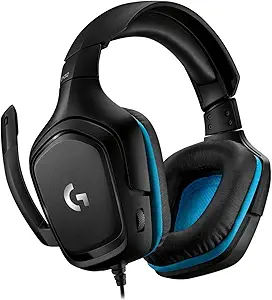
Choosing a Wired Gaming Headset: Comfort, Compatibility, and Audio Clarity
When evaluating the HyperX Cloud III, focus on its wired connectivity options—USB-C, USB-A, and 3.5mm—which determine platform flexibility. The 53mm angled drivers and DTS Spatial Audio are key for immersive gaming, while the memory foam and durable frame speak directly to long-session comfort and build quality.
Key Considerations Before Buying
- Platform compatibility is crucial: verify the headset works with your specific setup (PC, PS5, Xbox Series X|S) via the correct cable, as performance can vary by connection type.
- Audio signature matters: the 53mm drivers are tuned for gaming; assess if you prioritize spatial audio for competitive play or a balanced profile for media consumption.
- Microphone performance is non-negotiable: the 10mm mic with noise cancellation should deliver clear comms without requiring software tweaks.
What Our Analysts Recommend
Inspect reviews for mentions of the memory foam's breathability over hours and the aluminum frame's rigidity. Genuine feedback often details the mic's plug-and-play clarity on Discord or console party chat, not just generic praise.
Headsets Market Context
Market Overview
The wired gaming headset market is saturated with options promising 'premium audio,' but differentiation lies in driver tuning, build materials, and cross-platform support. Products like the Cloud III compete directly with offerings from SteelSeries and Logitech in the $80-$120 range.
Common Issues
Common pitfalls include fragile hinges, pleather ear pads that degrade quickly, and spatial audio software that requires cumbersome drivers. Inconsistent microphone performance across platforms is another frequent complaint.
Quality Indicators
Look for headsets with metal reinforcement at stress points, replaceable ear cushions, and clear specifications about driver size and impedance. Reliable products often have detailed feedback about long-term durability, not just unboxing impressions.
Review Authenticity Insights
Grade C Interpretation
A Grade C with 28% estimated fake reviews suggests significant review manipulation. The adjusted rating of 4.00/5—down from the displayed 4.67/5—indicates the genuine reception is solid but not exceptional.
Trust Recommendation
Prioritize verified purchase reviews that mention specific use cases, like using the USB-C connection on PC or the 3.5mm jack on a controller. Be skeptical of repetitive 5-star reviews lacking detail about the DTS Spatial Audio or mic performance.
Tips for Reading Reviews
Focus on 3- and 4-star reviews for balanced insights on comfort and audio quality. Look for mentions of the headset's weight distribution and whether the angled drivers truly improve soundstage over previous Cloud models.
Expert Perspective
The HyperX Cloud III presents a compelling package with its triple-connectivity and angled drivers, but the authenticity data warrants caution. The substantial drop to a 4.00 adjusted rating suggests that while the headset is competent, its perceived excellence may be inflated. The wired design ensures consistent latency, which is ideal for competitive gaming, but the value hinges on whether the DTS Spatial Audio implementation justifies the price over simpler stereo headsets.
Purchase Considerations
Weigh the convenience of USB-C against your need for a universal 3.5mm connection. Consider if the memory foam's reported comfort outweighs potential heat buildup during marathon sessions. The durability claims of the aluminum frame are promising, but seek out long-term ownership reports.
Comparing Alternatives
Shoppers should compare the Cloud III's feature set and adjusted rating against similarly priced wired headsets like the SteelSeries Arctis Nova 3 or the audio-technical considerations of the EPOS H3.