Choosing a 4K HDMI capture card: What the Audio Express AXHDCAP delivers and where it fits
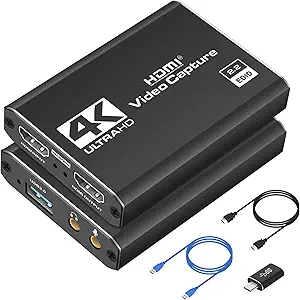
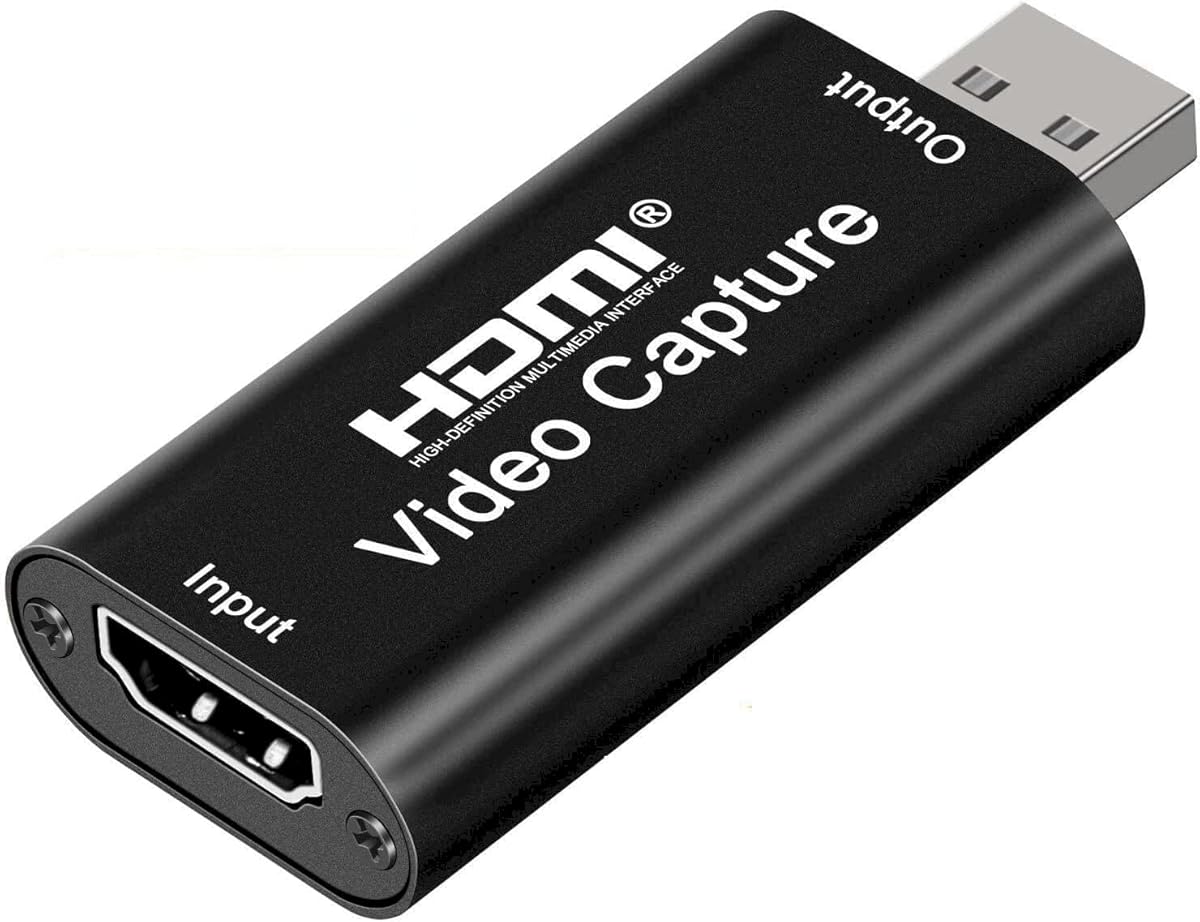
The Audio Express AXHDCAP is a USB 2.0-based capture device that promises 4K HDMI pass-through while recording at 1080p, a common feature set in the budget capture card segment. Buyers should understand this device bridges HDMI sources like gaming consoles or cameras to a computer for streaming or recording, but its USB 2.0 interface imposes specific limitations on maximum data throughput.
Key Considerations Before Buying
- This card's 4K claim is for pass-through only; it captures at a maximum of 1080p at 30fps, which is standard for USB 2.0 bandwidth but may not suit fast-paced gaming.
- As a 'plug-and-play' device requiring no external power, its reliability can depend heavily on your computer's USB port quality and the included cables.
- The lack of a hardware encoder means your computer's CPU handles all video compression, which can impact performance during streaming if your system isn't robust.
What Our Analysts Recommend
For a device like the AXHDCAP, scrutinize reviews mentioning consistent 'plug-and-play' operation without driver issues on your specific OS (Windows, Mac, Linux). Look for mentions of the included HDMI cable's build quality, as a poor cable can cause signal dropouts, a frequent failure point for no-name capture cards.
Internal TV Tuner & Capture Cards Market Context
Market Overview
The budget HDMI capture card market is flooded with near-identical devices from brands like Audio Express, often rebranded from the same OEM designs, competing primarily on price and bundled accessories. True differentiation comes from driver support, build quality, and reliable customer service, which are often minimal in this segment.
Common Issues
Common problems include signal handshake failures with certain HDMI sources (like specific PlayStation or Nintendo Switch models), audio sync drift over long recordings, and overheating during extended use due to passive cooling. Many generic cards also suffer from poor shielding, leading to audio interference or video noise.
Quality Indicators
Beyond specs, quality is shown in consistent performance across diverse HDMI sources and positive long-term reliability reports. Look for mentions of stable use over multi-hour streaming sessions and lack of need for frequent unplugging/replugging to reset the device.
Review Authenticity Insights
Grade B Interpretation
A 'Grade B' with an estimated 15% fake review rate suggests the Audio Express AXHDCAP's review profile is moderately reliable but requires careful reading. The high adjusted rating of 4.5/5 is still strong, indicating genuine satisfaction among most verified purchasers, though some positive sentiment may be inflated.
Trust Recommendation
Focus on reviews that detail setup processes, specific software used (like OBS, Streamlabs), or mention minor drawbacks. Be skeptical of overly vague, glowing reviews that don't mention technical specifics like resolution, latency, or compatibility with a console model.
Tips for Reading Reviews
Prioritize reviews that confirm 1080p30 capture performance and discuss audio passthrough quality. Look for 'Verified Purchase' badges and reviews that mention using the product for weeks or months, as they speak to durability beyond initial setup.
Expert Perspective
The Audio Express AXHDCAP represents a functional entry-point into video capture, with its very high adjusted rating of 4.5/5 suggesting it reliably performs its core function for most users. Its value proposition is clear: ultra-low-latency pass-through for gaming while capturing, and broad plug-and-play compatibility. However, its place is firmly in the budget tier; the USB 2.0 interface is a defining limitation, making it unsuitable for creators seeking 60fps capture, high-bitrate recording, or HDR workflows.
Purchase Considerations
Purchase this if your primary needs are 1080p30 recording/streaming from a console or camera and you value simplicity and low cost. Hesitate if you require 60fps for smooth fast-action gameplay, plan to capture 4K footage directly, or have a USB-C only computer without reliable adapters for its USB-A connection.
Comparing Alternatives
Shoppers should compare it directly with other USB 2.0 capture cards like the EVGA X1 or generic '4K passthrough' models, noting differences in bundled cables and software inclusion.