Evaluating 2L Timed Feeders: Battery Life vs. Programming Complexity Trade-offs
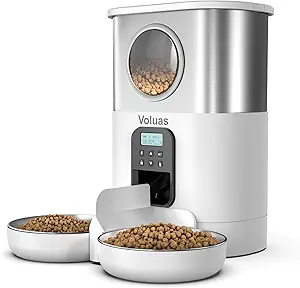
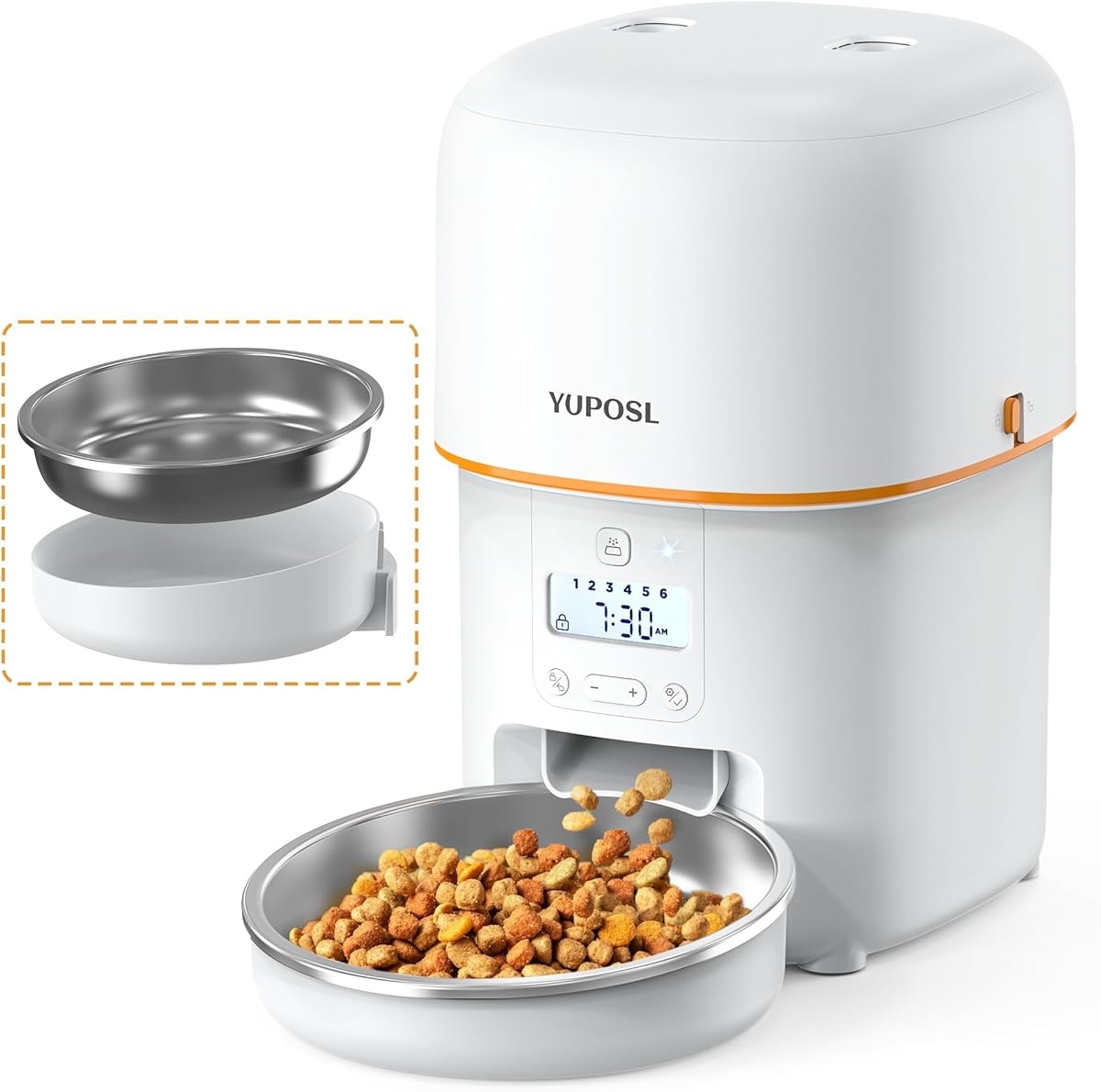
This specific 2L capacity feeder with 180-day battery claims represents a mid-range option in automatic pet feeding. Buyers should understand that the '1-6 meals' programming capability requires careful setup, and the extended battery life comes with specific operational considerations that differ from plug-in models.
Key Considerations Before Buying
- The 180-day battery life claim depends heavily on usage frequency—programming all 6 daily meals will drain batteries faster than 1-2 meals.
- The 2L capacity (approximately 8.5 cups of dry food) works for single cats but may require frequent refills for multiple pets or larger dogs.
- Time setting difficulties mentioned in reviews suggest the programming interface may have a learning curve despite 'easy to use' marketing claims.
What Our Analysts Recommend
Quality indicators include consistent portion dispensing accuracy across all meal settings and reliable battery performance through full discharge cycles. Check for mentions of food jamming in the dispensing mechanism, particularly with smaller kibble sizes that some automatic feeders struggle with.
Automatic Feeders Market Context
Market Overview
The automatic feeder market has expanded rapidly, with battery-powered models like this one competing against Wi-Fi enabled smart feeders and basic mechanical timers. The 2L capacity segment targets single-pet households seeking schedule consistency rather than high-tech features.
Common Issues
Programming complexity remains a frequent complaint across battery-operated feeders, with users struggling with multi-meal setups. Portion control mechanisms can become inconsistent with certain kibble shapes, and battery life often falls short of manufacturer claims in real-world use.
Quality Indicators
Look for reviews mentioning consistent operation over 3+ months, specific battery brand performance data, and detailed accounts of programming success. Products that maintain 4-star+ ratings after hundreds of verified purchases typically demonstrate reliable mechanical dispensing systems.
Review Authenticity Insights
Grade C Interpretation
A Grade C with 28% estimated fake reviews indicates significant review manipulation. The adjusted 4.00 rating (down from 4.67) suggests authentic user experiences are more mixed than the overall rating implies, particularly regarding programming difficulties and long-term reliability.
Trust Recommendation
Focus on reviews that mention specific timeframes (like 'after 2 months' or '4 months of use') and detail practical setup challenges. Be skeptical of reviews emphasizing only battery life without mentioning actual battery brands used or meal frequency.
Tips for Reading Reviews
Prioritize reviews discussing multi-pet households or specific kibble types, as these provide genuine usage context. Look for photographic evidence of portion consistency and detailed programming descriptions rather than generic praise about convenience.
Expert Perspective
This feeder represents a compromise product—offering extended battery life and multi-meal programming at the expense of user-friendly interfaces. The significant gap between the advertised 4.67 and adjusted 4.00 rating, combined with the C authenticity grade, suggests real-world performance may not match marketing claims for all users. The mixed review pattern indicates it works well for some households but presents programming challenges that frustrate others.
Purchase Considerations
Weigh the 180-day battery claim against your actual needs—if you'll use fewer than 4 daily meals and can manage the programming learning curve, this could work. Consider whether the 2L capacity matches your pet's consumption between refills, and be prepared for potential time-setting frustrations during initial setup.
Comparing Alternatives
Compare this model's battery performance claims against similar 2L capacity feeders with verified long-term reviews, particularly noting differences in programming interfaces.