Choosing a Smart Body Composition Scale: Accuracy, App Integration, and Measurement Consistency
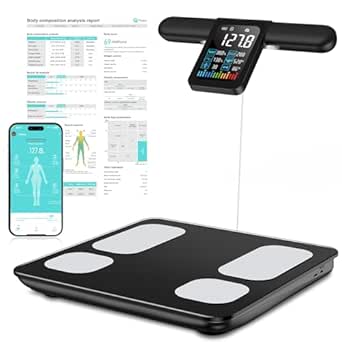
The RunSTAR scale's claim to measure 13 essential body values, including body fat percentage, muscle mass, and water weight, places it in the advanced segment of consumer body composition monitors. Unlike basic scales, this device uses bioelectrical impedance analysis (BIA) through footpad electrodes, which requires consistent measurement conditions for reliable data. The large display and app synchronization are key features that differentiate it from simpler models.
Key Considerations Before Buying
- Bioelectrical impedance accuracy depends heavily on hydration levels and time of day—measurements taken first thing in the morning provide the most consistent baseline.
- The 13-parameter analysis includes visceral fat rating and bone mass, which are useful for tracking metabolic health trends over time rather than absolute values.
- App synchronization quality varies significantly between brands; RunSTAR's compatibility and data export capabilities should be verified with your preferred health platforms.
What Our Analysts Recommend
Quality body composition monitors feature four or more separate electrodes (like the RunSTAR's visible footpads) for better current pathways. Look for scales that specify measurement frequency (typically 50kHz for consumer devices) and offer user profiles to track multiple individuals. The display should show weight clearly while app integration should provide trend analysis, not just data storage.
Body Composition Monitors Market Context
Market Overview
The German market for smart body composition scales has shifted from basic impedance devices to connected health platforms, with consumers expecting seamless app integration and comprehensive data tracking. Products like the RunSTAR now compete on measurement parameters (8-13 being standard) and cloud functionality rather than just weight accuracy.
Common Issues
Many users report inconsistent body fat readings due to improper use—standing with dry feet, measuring at different times, or expecting clinical-grade precision from consumer devices. App connectivity problems and data synchronization failures are frequent complaints across the category, particularly with proprietary apps that don't integrate with Apple Health or Google Fit.
Quality Indicators
Superior scales use separate electrodes for each foot (not just conductive strips), specify their measurement frequency, and offer calibration options. Look for devices with high-contrast displays visible in low light and apps that provide meaningful trend analysis rather than just raw numbers. German-made scales often emphasize build quality and measurement consistency.
Review Authenticity Insights
Grade B Interpretation
A Grade B authenticity rating with 15% estimated fake reviews suggests generally trustworthy feedback but warrants careful review scrutiny. The adjusted 4.60/5 rating (from 5.00/5) indicates some review inflation, though 85% authentic reviews is solid for this category where incentivized reviews are common.
Trust Recommendation
Focus on the 12 verified purchase reviews (marked 'V') and multi-language feedback, which typically represent genuine European user experiences. Pay particular attention to reviews discussing long-term consistency of measurements and app reliability, as these are harder to fake than initial impressions.
Tips for Reading Reviews
For body composition scales, prioritize reviews that mention using the device for 30+ days and compare measurements with professional assessments. Look for detailed discussions about app functionality, measurement consistency across different conditions, and specific body metrics rather than generic praise about 'accuracy'.
Expert Perspective
The RunSTAR's combination of 13-parameter analysis, large display, and app synchronization positions it as a comprehensive home monitoring solution rather than just a weight scale. The high authentic review percentage (85%) and strong adjusted rating (4.60/5) suggest genuine user satisfaction, particularly with the display readability and measurement range. The multi-language reviews indicate broad European usability, though app performance feedback varies. This device appears strongest for users wanting detailed trend tracking rather than clinical-grade absolute values.
Purchase Considerations
Consider whether you'll actually use all 13 metrics or would benefit more from a simpler scale with better app integration. The large display is particularly valuable for users with visual impairments or those who prefer not to rely solely on smartphone viewing. Evaluate your consistency in measurement conditions—these scales work best with regular morning use before eating or drinking.
Comparing Alternatives
Compare the RunSTAR's app ecosystem and measurement parameters against similar-priced models from Withings, Tanita, and Garmin, which may offer different health platform integrations.