
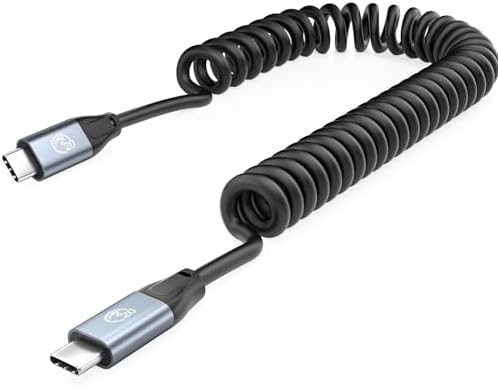
Coiled USB-C cables offer unique benefits but require specific quality checks
The UseBean coiled USB-C cable combines high-speed data transfer (20Gbps) with 100W power delivery in a retractable 3.3ft design, making it ideal for travelers and workspace organization. Unlike standard cables, coiled cables introduce mechanical stress points that affect durability, so understanding construction quality is essential for this specific product type.
Key Considerations Before Buying
- Coiled cables like this UseBean model experience repeated stretching and retraction that can fatigue internal wiring over time—check reviews specifically mentioning long-term coil memory and springback performance.
- The 20Gbps USB 3.2 Gen2 specification requires proper shielding to prevent interference; look for mentions of consistent data transfer speeds when moving large files between devices.
- 100W charging capability depends on proper power negotiation chips—verify reviews mention fast charging actually achieving advertised speeds with compatible devices like MacBook Pro or Galaxy S24.
What Our Analysts Recommend
Quality coiled cables maintain consistent coil diameter without kinking and feature reinforced stress relief at both connector ends. For this UseBean cable specifically, examine reviews mentioning the retraction mechanism's smoothness and whether the coil maintains its shape after repeated extension to 3.3ft.
USB Cables Market Context
Market Overview
The coiled USB-C cable market has expanded as users seek organized charging solutions, but quality varies significantly between brands claiming similar 100W/20Gbps specifications. Many manufacturers prioritize compact storage over long-term durability in the coil mechanism.
Common Issues
Coiled cables frequently develop connection issues at stress points, fail to maintain advertised charging speeds under load, or lose their retraction tension over months of use. Some cables also experience data transfer degradation when fully extended.
Quality Indicators
Premium coiled cables use double-braided nylon sheathing, copper-alloy connectors with proper plating, and integrated E-mark chips for accurate power negotiation. The coil should retract evenly without twisting and extend smoothly without resistance.
Review Authenticity Insights
Grade B Interpretation
The Grade B authenticity rating with 15% estimated fake reviews suggests mostly genuine feedback but warrants careful review scrutiny. This moderate fake percentage is common in competitive cable categories where some sellers attempt to boost visibility.
Trust Recommendation
Focus on verified purchase reviews that mention specific device compatibility (like iPhone 15 or MacBook Air) and long-term use experiences. Be skeptical of reviews lacking detail about actual charging speeds or coil performance over time.
Tips for Reading Reviews
Prioritize reviews discussing the mechanical aspects of the retractable design and real-world charging performance with your specific devices. Look for mentions of coil memory, connector durability, and whether the 20Gbps speed holds during file transfers.
Expert Perspective
The UseBean cable's 3.60 adjusted rating (from 3.88) after removing suspicious reviews indicates moderately positive genuine reception, though not exceptional. The combination of 100W charging, 20Gbps data transfer, and retractable design addresses specific user needs but introduces durability variables. The coil mechanism represents both the primary convenience and potential failure point compared to standard cables.
Purchase Considerations
Consider this cable if you value space-saving organization and frequently transition between charging and data transfer needs. However, if you require consistent maximum 100W charging for power-hungry devices or plan on frequent coil extensions, examine durability feedback closely given the mechanical nature of retractable designs.
Comparing Alternatives
Compare this UseBean model against both standard-length USB-C cables and other coiled alternatives, paying particular attention to warranty coverage for coil mechanism failures.

![CONMDEX Android Auto USB Cable [Upgrade, 3ft, 2Pack] 10Gbps USB 3.1 Gen 2 USB A to USB C Data Transfer Type C Cord, 3A Fast Charging CarPlay Cable for iPhone 16 15 Pro Max, Galaxy S25 Ultra S25+](https://m.media-amazon.com/images/I/41vy0X7qsdL._SY445_SX342_QL70_FMwebp_.jpg)


