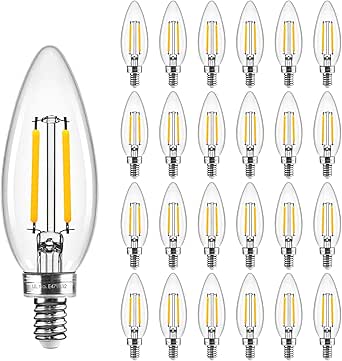
Choosing GU24 LED bulbs requires understanding their unique pin-base compatibility
GU24 bulbs feature a twist-and-lock two-prong base that's incompatible with standard Edison screw sockets, making them specifically for newer energy-efficient fixtures. This 5000K daylight, 9W model offers 800 lumens with a 60W-equivalent output, ideal for task lighting but unsuitable for dimmer switches. The UL/ETL certification indicates safety compliance, but the non-dimmable nature limits installation flexibility.
Key Considerations Before Buying
- Verify your fixture uses GU24 bases before purchasing—these bulbs won't work in standard E26/E27 sockets and require compatible fixtures designed for energy-efficient lighting.
- The 5000K daylight color temperature provides crisp, blue-white light ideal for workshops, garages, or task areas but may feel too harsh for living spaces where warmer tones are preferred.
- Consider lumen output (800 lumens) rather than wattage equivalents—this determines brightness, and 800 lumens works well for general lighting but may be insufficient for large spaces needing multiple fixtures.
What Our Analysts Recommend
Quality GU24 LEDs should maintain consistent color temperature throughout their lifespan without noticeable shift toward blue or green tones. The twist-lock mechanism should engage smoothly without excessive force, and the plastic housing should feel substantial rather than flimsy. Look for certifications like UL/ETL specifically for Canada, as this indicates proper electrical safety testing for the local market.
LED Bulbs Market Context
Market Overview
GU24 LED bulbs represent a niche but growing segment as building codes increasingly mandate energy-efficient fixtures, particularly in Canada where energy standards are tightening. The market has shifted from CFL-compatible GU24 bulbs to LED versions like this 9W model, offering instant full brightness without warm-up time. Four-packs have become standard for GU24 LEDs since fixtures often require multiple bulbs and retrofitting typically involves replacing several at once.
Common Issues
Consumers frequently purchase GU24 bulbs without realizing they're incompatible with standard sockets, leading to returns. Some cheaper models exhibit premature failure or flickering due to poor thermal management in the compact A19 shape. Color consistency can vary between bulbs in multi-packs, creating noticeable differences when installed in the same fixture.
Quality Indicators
Beyond basic certifications, quality GU24 LEDs feature proper heat dissipation through designed vents or heat sinks, crucial for longevity in enclosed fixtures. The pin base should have solid brass contacts rather than plated steel, and the plastic should be high-temperature resistant to prevent warping. Reputable manufacturers provide detailed lumen maintenance data, though this information is often omitted from consumer packaging.
Review Authenticity Insights
Grade B Interpretation
A Grade B authenticity rating with 10% estimated fake reviews suggests generally reliable feedback with minor manipulation concerns. The 4.40 adjusted rating (down from 4.67) indicates some review inflation but still reflects strong genuine satisfaction. The verified purchase status of all reviews significantly boosts credibility for this technical product category.
Trust Recommendation
Focus on reviews discussing specific installation scenarios, longevity over months of use, and color temperature accuracy—these details are harder to fabricate. Be slightly skeptical of reviews emphasizing only packaging or delivery speed without mentioning performance. The 2177-review volume provides sufficient data points to identify consistent patterns despite the estimated manipulation.
Tips for Reading Reviews
Prioritize Canadian reviewers who mention local electrical compatibility and cold-weather performance. Look for mentions of specific fixture types (can lights, vanity bars, etc.) to gauge suitability for your application. Reviews discussing multiple bulb replacements over time offer more valuable longevity insights than initial impressions.
Expert Perspective
This product represents a solid mid-market option for GU24 replacements, with the 5000K color temperature appealing to users seeking daylight simulation for workspaces. The 800-lumen output at 9W demonstrates good efficiency (approximately 89 lumens per watt), though not class-leading. The substantial review volume with maintained 4.4+ adjusted rating suggests reliable performance for basic lighting needs, though the non-dimmable limitation restricts application. The four-pack format makes economic sense for whole-fixture replacements common with GU24 installations.
Purchase Considerations
Evaluate whether your fixtures truly require GU24 bases—if retrofitting older fixtures, consider whether converting to standard sockets might offer more bulb options long-term. The daylight color temperature works best in utility spaces; for bedrooms or living areas, 2700K-3000K options would provide warmer light. Consider total cost versus individual bulb purchases, as four-packs offer savings but commit you to identical specifications.
Comparing Alternatives
Compare with dimmable GU24 options if fixture compatibility allows, and evaluate different color temperatures based on room function and personal preference.