
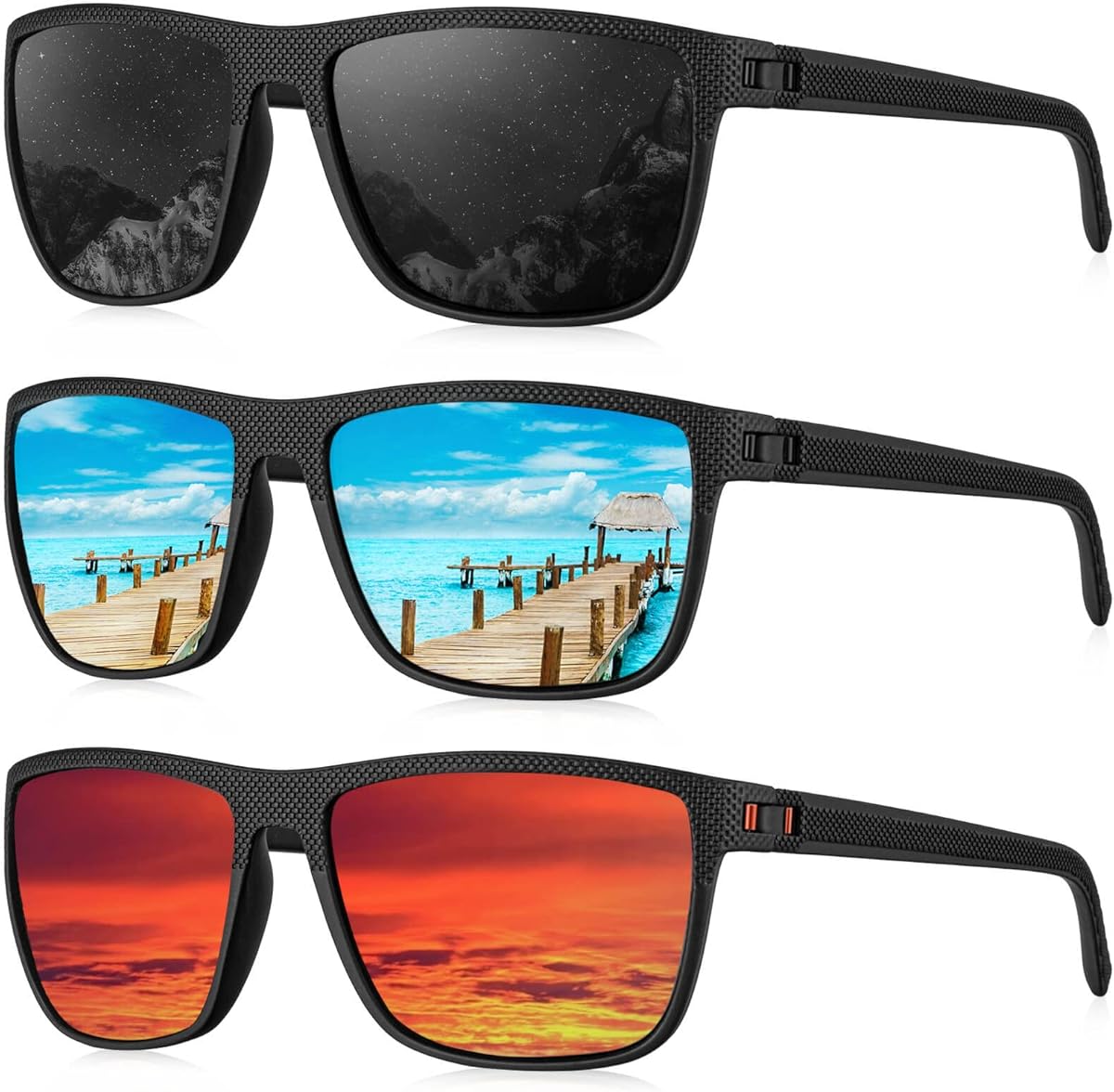
Evaluating KALIYADI's Polarized Sports Sunglasses for Driving, Fishing, and Golf
The KALIYADI Polarized Sunglasses position themselves as a multi-sport accessory for driving, fishing, and golf. As a new, unreviewed product, buyers must scrutinize its lightweight claim and the specific performance of its polarized ice blue and red lenses in different light conditions. This analysis focuses on what these features mean for practical use.
Key Considerations Before Buying
- Polarized lens color is critical: the 'Ice Blue' tint may enhance contrast in bright, hazy conditions ideal for fishing, while potentially being less suitable for variable light on the golf course compared to specific golf lenses.
- A 'lightweight' frame for sports must balance durability; for activities like golf with repetitive head movement, frame flex and nose pad grip are as important as mere weight.
- The advertised UV protection is a baseline; for driving and fishing with extended sun exposure, ensure the product blocks 100% of UVA/UVB rays and consider lens coverage to prevent peripheral glare.
What Our Analysts Recommend
For sports sunglasses, examine the hinge construction and temple tip material for durability during active use. The polarization should be tested against reflective surfaces like water or car hoods, not just stated. A proper fit that prevents slippage during a golf swing or when looking down while fishing is a non-negotiable quality indicator.
Sports Sunglasses Market Context
Market Overview
The budget sports sunglasses market is saturated with brands like KALIYADI offering multi-claim products. Differentiation often comes from lens technology specifics—such as the polarization filter quality and base lens material—rather than just listing activities.
Common Issues
Common problems include inconsistent polarization (creating blind spots or rainbow effects), frames that are lightweight but fragile at the hinges, and lens colors that don't match their purported sport's lighting needs, like a lens too dark for early morning fishing.
Quality Indicators
Look for specifics on polarization standard (e.g., ASTM), lens material (polycarbonate is impact-resistant), and frame composition. A lack of detailed optical specifications, as seen with this unreviewed KALIYADI model, requires extra caution.
Review Authenticity Insights
Grade U Interpretation
A Grade 'U' with a 0.00% estimated fake review rate simply means there is no review data to analyze. For this KALIYADI product, there are zero customer experiences to validate its performance claims for driving, fishing, or golf.
Trust Recommendation
Treat this product as completely unproven. Prioritize retailers with robust return policies, as you are relying solely on the manufacturer's description. Be prepared to personally test the polarization and fit for your intended sport.
Tips for Reading Reviews
When reviews eventually appear, search for sport-specific feedback. For golf, look for comments on lens clarity when reading greens; for fishing, notes on glare reduction on water; for driving, mentions of comfort during long trips.
Expert Perspective
The KALIYADI sunglasses present a common market proposition: a single product claiming suitability for three distinct sports. Without any user reviews or verified ratings, its performance is speculative. The critical unknown is whether its polarization and lens tints (Black, Ice Blue, Red) are optimally tuned for each activity or are a generic compromise. The 'lightweight' claim is promising but must be paired with secure fit and durability.
Purchase Considerations
Weigh the low price against the complete lack of verified user data. If you need reliable sunglasses for a specific sport like competitive fishing or frequent driving, established brands with documented lens technologies may be a safer investment. This product could be a viable low-cost tester for casual, multi-use scenarios.
Comparing Alternatives
Shoppers should compare the KALIYADI's vague specifications against products with detailed optical data and sport-specific reviews.


