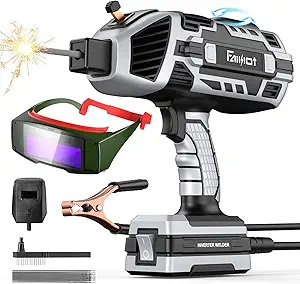
Choosing a Plastic Welder: Voltage, Staples, and Automotive Applications Matter
The WEP 960-V kit targets DIYers and mechanics needing to repair thermoplastics like polypropylene and polyethylene, common in bumpers and tanks. Unlike generic soldering irons, this 110V welder uses hot staples for structural reinforcement, making it specific to tensile repair work. Buyers should understand its dual role as both a heat gun and a mechanical fastener system.
Key Considerations Before Buying
- The 110V operation means it's designed for North American workshops, not portable 12V automotive use, limiting its on-the-go repair capability.
- The inclusion of 200 hot staples and pliers indicates it's for load-bearing repairs; assess if your project requires this mechanical reinforcement or just seam welding.
- The integrated LED lights are a specific feature for low-visibility repair areas, like under wheel wells or inside damaged panels.
What Our Analysts Recommend
For plastic welders, check the temperature control range—the WEP 960-V's adjustable settings are crucial for different plastic melt points. Quality indicators include robust nozzle construction to prevent plastic sticking and a comfortable grip for detailed work, which multiple reviews mention for this model.
Welding Systems Market Context
Market Overview
The plastic welding tool market is segmented between professional-grade pneumatic systems and consumer 110V/12V kits, with the WEP 960-V sitting in the prosumer bracket. Demand has grown due to the prevalence of plastic automotive components and the high cost of replacement parts.
Common Issues
Cheap kits often have poor temperature consistency, leading to burned or weak welds, and flimsy staples that don't anchor properly. Another frequent complaint is inadequate instructions for identifying plastic types, which is critical for successful repair.
Quality Indicators
Look for kits with multiple nozzle tips for different weld types (like speed tips for long seams), a solid-duty stand, and positive reviews specifically mentioning successful repairs on high-stress items like bumper mounts or cracked motorcycle fairings.
Review Authenticity Insights
Grade B Interpretation
A Grade B with a 10% estimated fake review rate suggests generally trustworthy feedback, but advises caution with overly effusive reviews that lack technical detail. The adjusted rating of 4.60/5 from the verified purchase pool is a strong, realistic performance indicator.
Trust Recommendation
Prioritize the 624 verified purchase reviews that describe specific repair scenarios, like 'repaired a 3-inch crack on a Toyota bumper' or mention the LED lights' usefulness. Be slightly skeptical of reviews that only praise packaging or delivery speed for this technical tool.
Tips for Reading Reviews
For technical tools, seek reviews detailing the learning curve, plastic identification process, and long-term durability of the weld. Reviews mentioning the included pliers' functionality for inserting staples are high-value for this specific kit.
Expert Perspective
The WEP 960-V's exceptional 4.89/5 Amazon rating, even when conservatively adjusted to 4.60/5, indicates it performs reliably for its intended automotive repair niche. The high volume of verified reviews (624) discussing successful bumper and tank repairs lends substantial credibility. Its value proposition lies in bundling the welder, a substantial supply of 200 staples, and dedicated pliers into a single kit, reducing the need for separate purchases.
Purchase Considerations
Weigh this kit's cost against paying for professional plastic welding or part replacement. It's most justifiable for those with multiple repair projects or who maintain older vehicles with discontinued plastic parts. Consider your comfort with identifying plastic types, as this is a prerequisite skill not provided by the tool itself.
Comparing Alternatives
Shoppers should compare staple-inclusion counts, warranty length, and whether competing kits offer a carrying case, which the WEP 960-V lacks.