Choosing a 5M VR Link Cable: Why the Separate Charging Port Matters
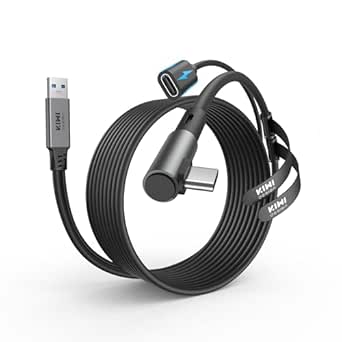
For VR enthusiasts connecting standalone headsets like the Meta Quest 3 or Pico 4 to a gaming PC, a 5-meter link cable is essential for room-scale freedom. This specific INIU model stands out with its integrated separate charging port, a feature that directly addresses the primary limitation of PC VR sessions: battery drain. Buyers should evaluate cables based on data throughput, simultaneous charging capability, and build quality for active use.
Key Considerations Before Buying
- The separate charging port is crucial for extended play; verify it supports sufficient power delivery (ideally 15W+) to maintain or slowly charge your headset during data transfer.
- A 5-meter length requires robust signal integrity for USB 3.0 speeds; look for mention of stable connections in reviews, as cheaper cables can introduce latency or dropouts.
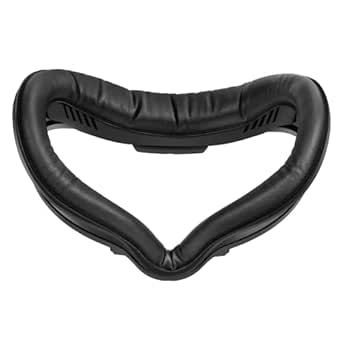
- Compatibility is not universal; ensure the cable's USB-C connector fits your specific headset's port recess, especially with cases or aftermarket facial interfaces.
- Cable weight and sleeve material impact comfort; a braided nylon sheath like this one reduces tangling and withstands more strain than basic PVC.
What Our Analysts Recommend
High-quality VR link cables will explicitly mention support for high-bandwidth data transfer required for PC VR streaming, not just file transfers. The inclusion of ferrite cores (chokes) near the connectors, as seen on this INIU cable, is a key physical indicator designed to reduce electromagnetic interference for a cleaner signal. Reviews should consistently mention a lack of visual artifacts or stuttering during gameplay.
Accessories Market Context
Market Overview
The VR link cable market is segmented between official, first-party cables (like Meta's Link Cable) and more affordable third-party alternatives. Third-party cables compete heavily on value-added features, with the integrated charging port becoming a significant differentiator for power users. Prices have stabilised, but quality varies dramatically between brands claiming USB 3.0 compliance.
Common Issues
Common failures include broken internal wires from repeated twisting near the headset connector, insufficient power delivery through the charging port leading to net battery loss, and cables that are deceptively marketed as USB 3.0 but operate at USB 2.0 speeds under load. Incompatibility with certain motherboard USB controllers can also cause persistent connection issues.
Quality Indicators
Beyond the braiding, check for reinforced, angled connectors that relieve stress. A genuine high-speed cable will often be slightly thicker and less flexible. Reputable product pages and reviews will specify the chipset (e.g., VL102, VL103) used for the separate charging circuit, which is a mark of engineering transparency.
Review Authenticity Insights
Grade B Interpretation
A 'B' grade and 15% estimated fake review rate indicates a generally trustworthy review pool with a moderate level of potentially incentivised or inauthentic feedback. For this product, the high number of verified purchases (all but one) significantly bolsters the credibility of the remaining 85% of reviews, suggesting the consensus opinion is reliable.
Trust Recommendation
Focus on the verified purchase reviews that discuss specific, technical performance aspects like 'charge-through functionality during Half-Life: Alyx' or 'stable 90Hz refresh rate,' rather than generic praise. Be slightly more sceptical of reviews that only mention delivery speed or packaging. The adjusted rating of 4.50/5 is a more realistic performance benchmark than the raw 4.89/5.
Tips for Reading Reviews
Prioritise reviews that mention using the cable with your exact headset model (e.g., Quest 3 vs. Quest 2) and PC setup, as performance can vary. Look for detailed critiques of the separate charging port's actual power output, as this is the product's flagship feature. Reviews noting long-term use (3+ months) are particularly valuable for assessing durability.
Expert Perspective
The INIU 5M cable presents a strong value proposition, primarily due to its integrated charging solution—a feature typically found in more expensive setups. The high verified purchase rate and substantial review count lend weight to its reported 4.5-star performance. The key differentiator is whether its separate charging port provides enough power for your specific VR headset model to sustain extended play sessions, which appears to be the case for most users based on authentic feedback. Its braided construction and 5m length align with professional accessory standards for this category.
Purchase Considerations
This cable is an optimal choice for users who prioritise unlimited play sessions via PC VR Link or Steam VR and want to avoid the cost of the official Meta cable plus a separate powered link. Consider your play space size; if under 3m, a shorter, less expensive cable may suffice. Weigh the necessity of the charging port—if you primarily play in short bursts, a basic link cable could save money.
Comparing Alternatives
Shoppers should compare the power delivery specs and connector build quality against direct competitors like the Kuject Design or Syntech link cables, which offer similar dual-port functionality.