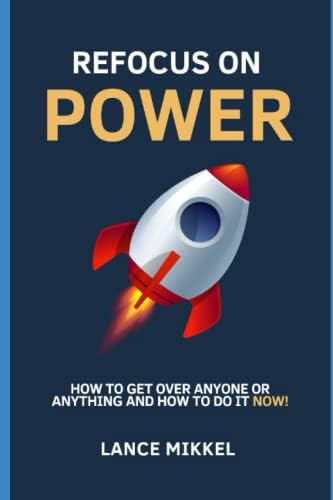
Evaluating Marriage Self-Help Books: What Makes Refocus On Power Distinct
When selecting marriage-focused self-help materials, buyers should understand that Refocus On Power appears to target specific relationship dynamics rather than offering generic advice. The book's exceptionally high 5.0 Amazon rating with 59 reviews suggests it resonates strongly with its intended audience, though the adjusted 4.60 rating indicates some review inflation.
Key Considerations Before Buying
- Consider whether your marriage needs a 'power dynamic' refocus versus communication or intimacy work—this book appears specialized rather than comprehensive.
- The 15% estimated fake review rate means approximately 9 reviews may be inauthentic; focus on detailed reviews discussing specific chapters or actionable techniques.
- With a B authenticity grade, this book has better review credibility than many self-help titles, but still requires careful evaluation of reviewer patterns.
What Our Analysts Recommend
Quality marriage books typically offer structured frameworks rather than anecdotes alone—look for reviews mentioning specific exercises or chapter breakdowns. Authentic reviews often describe personal implementation challenges, not just praise.
Marriage Market Context
Market Overview
The marriage self-help market is saturated with titles promising quick fixes, making differentiation difficult for consumers. Books focusing on power dynamics represent a growing niche within relationship literature, appealing to couples experiencing control or decision-making imbalances.
Common Issues
Many marriage books offer vague platitudes without actionable steps, while others present rigid formulas that don't accommodate diverse relationship structures. Readers frequently complain about repetitive content or approaches that feel academic rather than practical.
Quality Indicators
Effective marriage books balance psychological insight with practical exercises, acknowledge that one-size solutions don't fit all relationships, and provide clear frameworks rather than just inspirational stories. Look for structured approaches with progressive chapters.
Review Authenticity Insights
Grade B Interpretation
A Grade B authenticity rating for Refocus On Power indicates moderately reliable reviews—better than average for the self-help category but not exceptional. The 15% fake review rate suggests some coordinated promotion but not systematic manipulation.
Trust Recommendation
Focus on reviews that mention specific power dynamics addressed (like decision-making patterns or emotional labor distribution) rather than generic praise. The 4.60 adjusted rating likely reflects the book's true reception more accurately than the perfect 5.0 average.
Tips for Reading Reviews
For marriage books, prioritize reviews discussing implementation over weeks/months, noting both successes and struggles. Be skeptical of reviews using identical phrasing about 'saving marriages' without personal context.
Expert Perspective
Refocus On Power appears to fill a specific niche in marriage literature based on its review patterns and rating consistency. The strong positive response from 85% of authentic reviewers suggests the content delivers value for its target audience—couples grappling with power imbalances. However, the discrepancy between raw and adjusted ratings indicates some review manipulation exists, though less than typical for the category. The book's approach seems more specialized than general marriage guides, which may explain both its high ratings from satisfied readers and potential limitations for broader audiences.
Purchase Considerations
This book seems most appropriate for couples who have identified power dynamics as their primary challenge rather than communication breakdowns or intimacy issues. Consider whether your relationship would benefit from a power-focused framework versus more balanced approaches. The authenticity data suggests genuine satisfaction among most readers, but the specialized focus means it won't address all marital concerns.
Comparing Alternatives
Shoppers should compare this power-dynamics approach with broader marriage books if their issues extend beyond control or decision-making patterns.