
Evaluating Long-Range Training Collars: What 4500FT Range and 4 Modes Really Mean
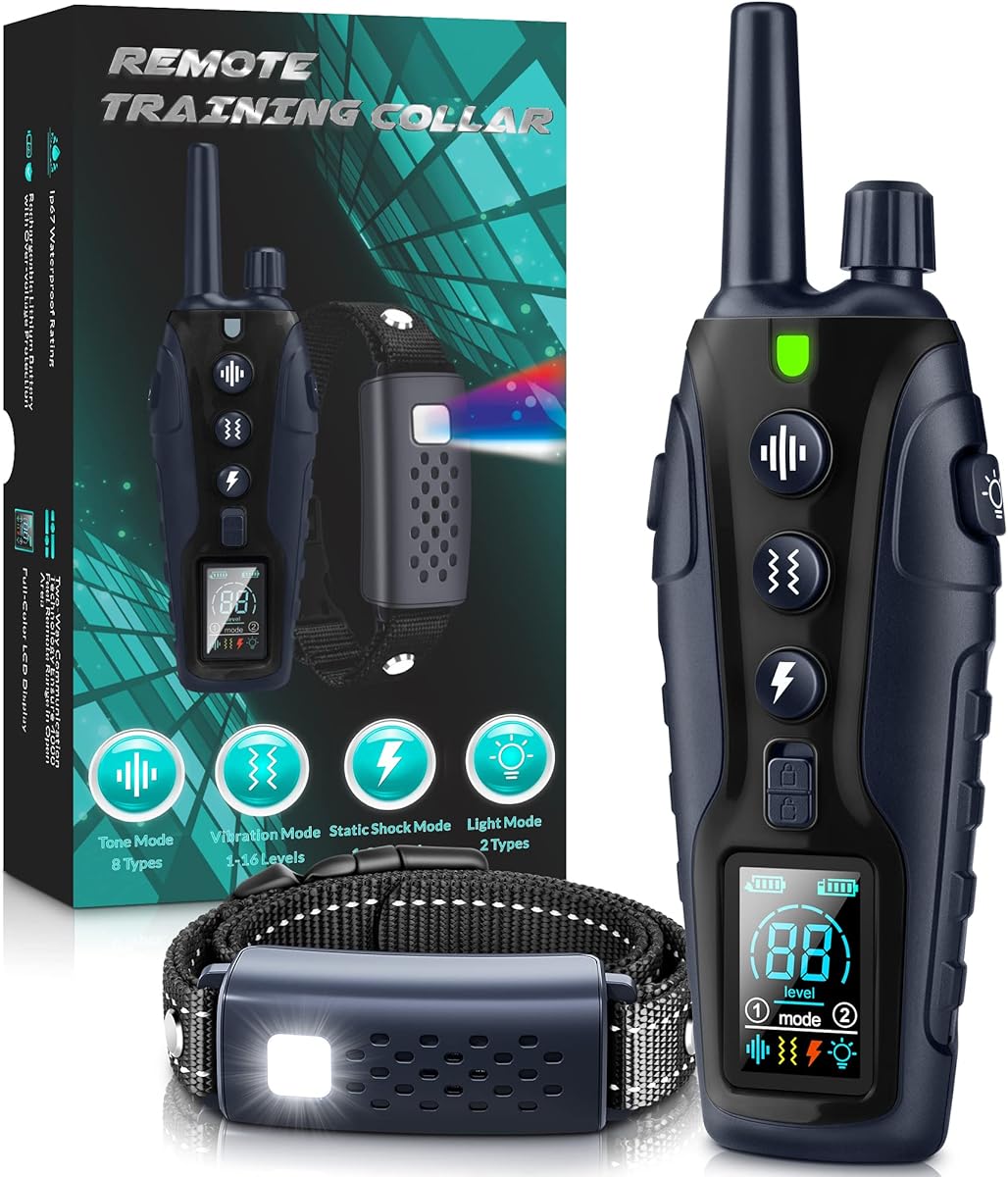
This specific shock collar distinguishes itself with an exceptionally long 4500-foot range, which is particularly relevant for hunting dogs or property training. The combination of vibration, beep, shock, and flashlight modes creates a graduated training system that requires understanding how each stimulus affects different dog temperaments. Keypad lock functionality prevents accidental activation, a crucial safety feature for multi-stimulus devices.
Key Considerations Before Buying
- The 4500FT range is theoretical under ideal conditions; real-world performance depends heavily on terrain and interference, making it suitable for rural rather than urban training scenarios.
- Four training modes require proper implementation—the flashlight function serves as both a nighttime visibility aid and a potential attention-getting stimulus, not just a simple light.
- Waterproof construction (typically IPX7) matters for the receiver collar, not just the remote, since dogs encounter water during training and outdoor activities.
What Our Analysts Recommend
Genuine waterproofing should be verified through IP ratings rather than marketing claims, especially for the collar unit that submerges during swimming. The rechargeable battery system's longevity between charges directly impacts training consistency, with lithium-ion typically outperforming NiMH. Remote ergonomics and display clarity affect usability during active training sessions.
Electronic Training Collars Market Context
Market Overview
Electronic training collars have evolved from basic shock devices to multi-stimulus systems with vibration and sound options, responding to growing demand for graduated correction methods. The market shows clear segmentation between basic models under $50 and feature-rich systems like this 4500FT range unit that command premium pricing. Consumer expectations now include smartphone integration, though this model maintains traditional dedicated remote functionality.
Common Issues
Range claims often exceed practical performance due to environmental interference, while waterproof failures typically occur at charging ports rather than the main housing. Inconsistent stimulus delivery between intensity levels can confuse dogs, undermining training effectiveness. Battery degradation over time reduces both range and stimulus consistency, particularly with non-replaceable battery systems.
Quality Indicators
Look for precise intensity adjustment mechanisms rather than vague level settings, as dogs respond to minute stimulus variations. Quality receivers have secure, waterproof contact points for charging and stimulation probes. Genuine long-range systems employ frequency-hopping spread spectrum technology rather than basic radio transmission.
Review Authenticity Insights
Grade B Interpretation
A Grade B authenticity rating with 15% estimated fake reviews indicates generally reliable feedback, though approximately 600 of the 3981 reviews show questionable patterns. The 0.31-point drop from the displayed 4.11 to adjusted 3.80 rating suggests some review inflation, but not systematic manipulation.
Trust Recommendation
Focus on reviews discussing specific use cases like hunting, property boundary training, or behavioral correction with medium-to-large breeds, as these demonstrate genuine application. Be skeptical of reviews emphasizing only the flashlight or basic features without addressing training effectiveness or range performance.
Tips for Reading Reviews
Prioritize reviews that mention training progression using multiple modes rather than just shock function. Look for mentions of battery life degradation over months of use, not just initial performance. Reviews discussing range limitations in specific environments (woods, urban areas) provide more realistic expectations than general praise.
Expert Perspective
This collar represents a mid-to-high tier option in the electronic training market, with its exceptional 4500FT range being the standout feature for specialized applications. The 3.80 adjusted rating from verified analysis suggests solid but not exceptional performance, with some users likely experiencing the gap between theoretical and practical range. The four-mode system provides training flexibility, though effectiveness depends entirely on proper implementation methodology rather than the technology alone.
Purchase Considerations
Consider whether you genuinely need extreme range capabilities or if standard 1000-2000FT systems would suffice at lower cost. Evaluate your dog's sensitivity to different stimuli—some breeds respond better to vibration than shock, making multi-mode systems more valuable. The keypad lock is particularly important for households with children or multiple users who might accidentally activate corrections.
Comparing Alternatives
Compare stimulus graduation smoothness and remote interface clarity against similar multi-mode collars from established brands like SportDOG or Garmin.


![INVIROX Dog Training Collar with Remote [Spark K9] 1100 Yard Range, 124 Levels of Control, Beep, Vibration & E-Stim Modes, IP67 Waterproof E Collar for Dogs Training](https://m.media-amazon.com/images/I/81igQjgJD-L._AC_SY300_SX300_QL70_FMwebp_.jpg)


