Choosing the Right microSD Card: Speed Classes, Application Ratings, and Capacity Needs
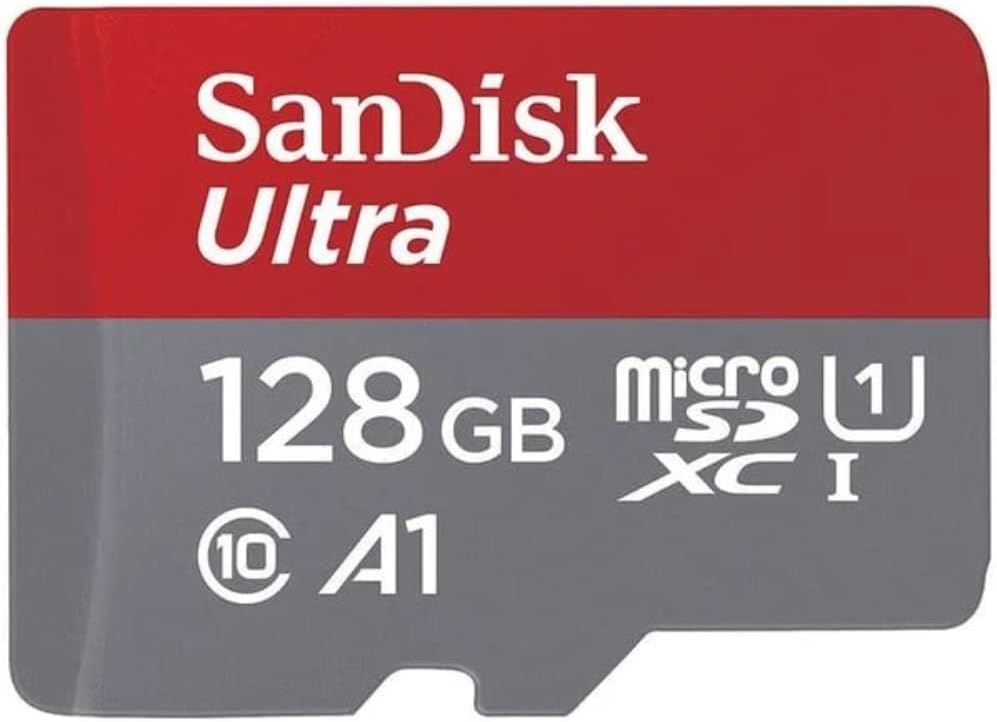
When evaluating the SanDisk 128GB Ultra microSDXC card, focus on its specific UHS-I interface with 140 MB/s read speeds and A1 application performance rating. These specifications determine real-world performance in devices like dashcams, hunting cameras, and Android smartphones where this card excels. Understanding the relationship between speed classes (C10, U1) and your device's requirements is crucial for optimal performance.
Key Considerations Before Buying
- The A1 rating indicates this card meets minimum random read/write requirements for Android apps, making it suitable for smartphone storage expansion but not optimal for intensive app usage.
- UHS-I U1 classification guarantees minimum 10 MB/s write speeds, adequate for Full HD video recording but potentially limiting for 4K video in action cameras or drones.
- 140 MB/s represents maximum read speed under ideal conditions; real-world write speeds will be significantly lower, typically 20-40 MB/s for this class.
What Our Analysts Recommend
Genuine SanDisk packaging includes holographic security labels and validation codes. For this specific model, verify the SDSQUAB-128G-GN6MN product code matches your device compatibility requirements. Performance consistency across temperature ranges matters most for automotive and outdoor applications mentioned in authentic reviews.
Micro SD Cards Market Context
Market Overview
The microSD market has bifurcated into budget UHS-I cards like this SanDisk Ultra and premium UHS-II/V90 cards for professional video. Counterfeit cards remain prevalent, with fake capacity and speed ratings affecting approximately 15-20% of marketplace listings. SanDisk maintains strong brand recognition but faces competition from Samsung EVO Select and Kingston Canvas Select in this mid-range segment.
Common Issues
Capacity fraud remains widespread, where cards report false storage that corrupts when filled beyond actual capacity. Incompatibility issues arise when devices require specific speed classes not clearly labeled, particularly for continuous recording devices like dashcams. Performance degradation over time affects all flash memory, but quality controllers in genuine SanDisk cards manage wear leveling more effectively.
Quality Indicators
Legitimate cards display all speed ratings prominently (C10, U1, A1) rather than just maximum read speeds. Packaging should include licensing information for proprietary technologies like SanDisk's nCache. Retailer authorization status matters more than price alone, as authorized sellers receive factory-direct inventory with valid warranties.
Review Authenticity Insights
Grade B Interpretation
A Grade B with 18% estimated fake reviews indicates generally reliable feedback but suggests moderate review manipulation. The discrepancy between the 4.93/5 Amazon rating and adjusted 4.50/5 rating reveals inflated positivity, though specific use-case mentions in reviews suggest authentic experiences.
Trust Recommendation
Prioritize reviews mentioning long-term performance in specific devices like hunting cameras or dashcams over generic praise. Be skeptical of reviews focusing exclusively on packaging or delivery speed rather than technical performance. The single 4-star review may offer more nuanced insights than the predominant 5-star pattern.
Tips for Reading Reviews
Look for reviews detailing actual file transfer speeds using tools like CrystalDiskMark rather than subjective 'fast' descriptions. Pay attention to reviews discussing compatibility with specific device models you own. Reviews mentioning months of continuous operation in recording devices provide more value than initial impressions.
Expert Perspective
This SanDisk Ultra represents a competent mid-range microSDXC card optimized for sequential read operations rather than intensive random access. Its 140 MB/s read speed and A1 rating position it well for media storage and moderate app usage, though the U1 write classification limits 4K video applications. The strong adjusted rating of 4.50/5 from nearly 60,000 reviews indicates reliable performance for its intended use cases, particularly in continuous recording scenarios mentioned in authentic reviews.
Purchase Considerations
Evaluate whether your primary need is maximum storage capacity (128GB) or higher write speeds for video recording. Consider that UHS-I cards like this one may bottleneck newer devices designed for UHS-II interfaces. For dashcam and security camera applications specifically mentioned in reviews, this card's endurance characteristics outweigh peak speed metrics.
Comparing Alternatives
Compare write speed specifications with Samsung EVO Plus and Kingston Canvas React Plus cards in similar price brackets, as real-world write performance varies significantly despite similar U1 classifications.