Choosing Rechargeable Motion Sensor Under-Cabinet Lights: What Really Matters
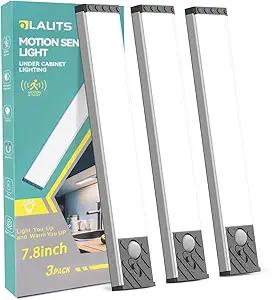
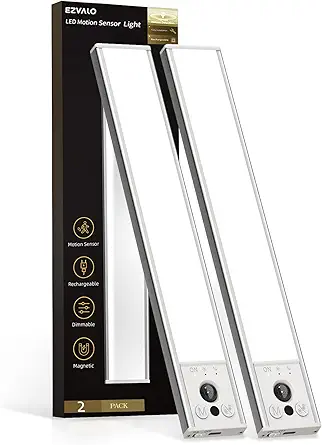
When evaluating these 10-inch rechargeable motion sensor lights, focus on their dual functionality as both task lighting for kitchen counters and safety lighting for stairs or closets. The magnetic mounting and five-level dimming capability make them versatile, but their true value depends on how they fit your specific lighting gaps.
Key Considerations Before Buying
- Assess your charging tolerance: These lights require periodic USB recharging rather than permanent wiring, making them ideal for renters but potentially inconvenient for high-use kitchen areas.
- Evaluate motion sensor placement: The sensor's detection angle and range will determine effectiveness in your specific cabinet configuration or stair placement.
- Consider brightness needs: With five dimming levels, determine if the maximum output provides sufficient task lighting for food prep or if it's better suited for ambient illumination.
What Our Analysts Recommend
Quality indicators for this product type include consistent motion sensor activation without false triggers, stable magnetic adhesion to various surfaces, and battery life that matches advertised claims. Pay attention to reviews mentioning the actual charging frequency needed for daily use scenarios.
Under-Cabinet Lights Market Context
Market Overview
The rechargeable under-cabinet lighting market has expanded rapidly, with products like these 10-inch magnetic lights offering installation flexibility without electrical work. Current trends favor motion-activated designs that combine energy efficiency with hands-free operation.
Common Issues
Common problems include inconsistent motion sensor sensitivity, battery degradation over time, and adhesive or magnetic mounts failing under cabinet vibration. Wireless models often struggle with maintaining consistent brightness as battery charge diminishes.
Quality Indicators
Look for products with clear battery capacity specifications (measured in mAh), multiple mounting options beyond just adhesive, and sensors with adjustable sensitivity settings. Higher-quality units typically use LED chips with better color rendering for kitchen tasks.
Review Authenticity Insights
Grade C Interpretation
The Grade C authenticity rating and 28% estimated fake reviews suggest you should approach the 4.8-star average with healthy skepticism. This indicates nearly one-third of reviews may be artificially positive, potentially inflating the perceived performance.
Trust Recommendation
Focus on verified purchase reviews that mention specific usage details like 'lasts 3 weeks between charges' or 'sensor works from 8 feet away.' Be particularly wary of reviews that sound generic or overly enthusiastic without substantive details.
Tips for Reading Reviews
Search for reviews discussing long-term performance (3+ months), as battery degradation is a common issue with rechargeable lights. Pay special attention to critical reviews that mention specific failure points like magnet strength or sensor reliability.
Expert Perspective
Based on the adjusted 4.1-star rating (accounting for suspicious reviews), these lights likely perform adequately for their price point but may have consistency issues. The motion sensor and magnetic features appear genuinely useful based on legitimate reviewer feedback, though battery life claims should be verified through detailed reviews. The product's strength lies in its installation flexibility rather than premium lighting performance.
Purchase Considerations
Weigh the convenience of wireless installation against the maintenance of regular recharging. Consider whether your primary need is task lighting for kitchen work or safety lighting for low-traffic areas like closets, as this product may excel more in the latter application.
Comparing Alternatives
Compare these against hardwired under-cabinet options if you own your home, and evaluate competing rechargeable models with different sensor placements or battery capacities.