Choosing an Oversized Peloton Seat: Comfort vs. Performance Considerations
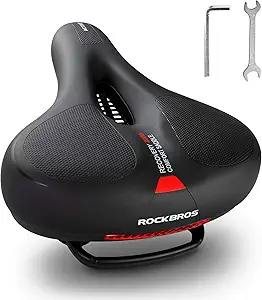
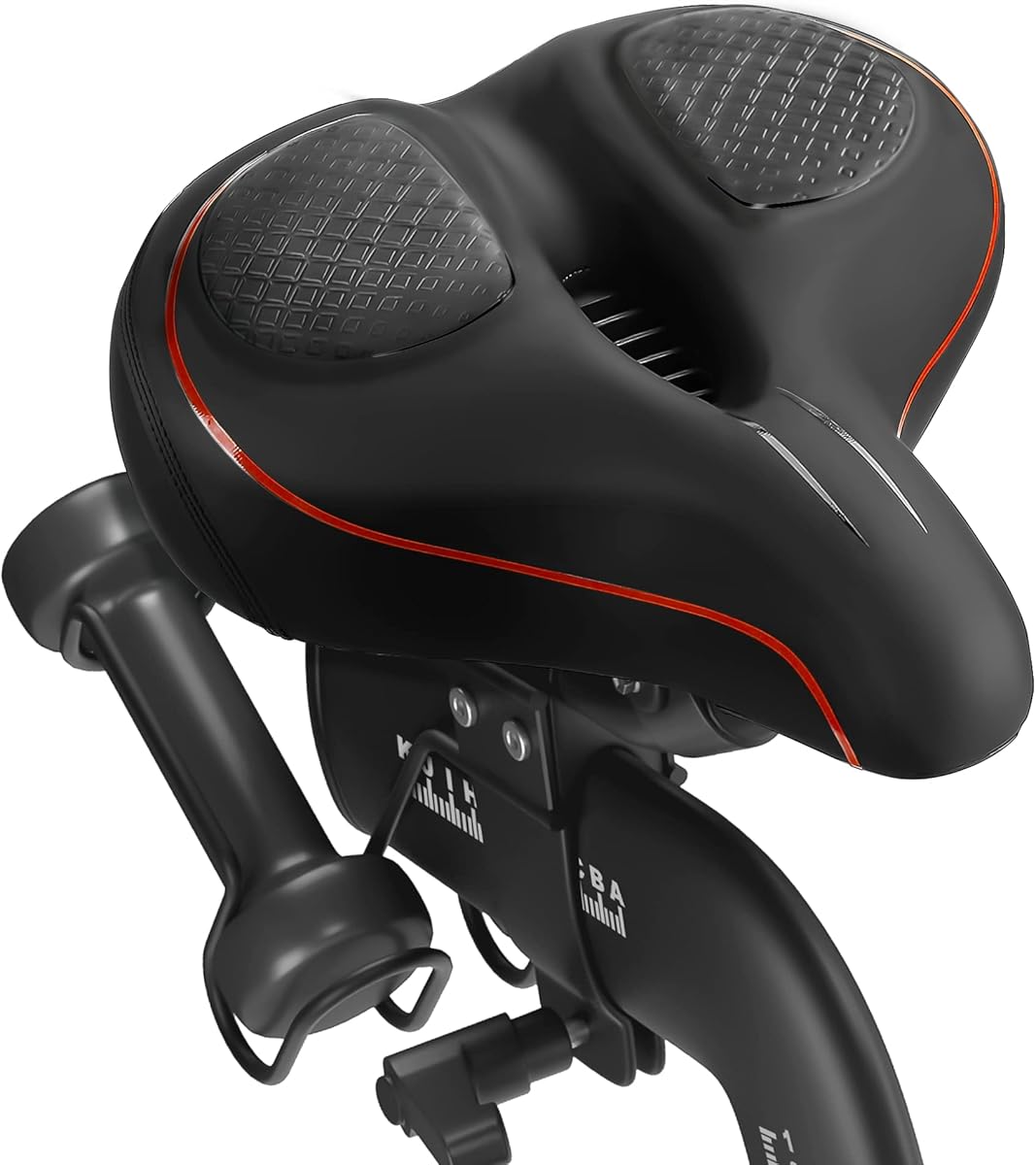
When selecting an oversized replacement saddle for your Peloton Bike or Bike+, you're trading some aerodynamic efficiency for enhanced comfort during longer rides. This specific product features a wide, padded design that addresses the common complaint of discomfort from Peloton's stock saddle, but introduces different considerations for ride dynamics. Understanding how this seat's dimensions and padding affect your cycling experience is crucial before purchasing.
Key Considerations Before Buying
- The oversized width (typically 10+ inches) provides more surface area for sit bone support but can cause inner thigh chafing if your pedal stroke brings your legs too close to the saddle edges.
- Increased padding depth offers immediate comfort but may create a 'hammocking' effect that reduces pedaling efficiency and transfers pressure differently than a firmer saddle over 30+ minute rides.
- Universal rail compatibility is essential for Peloton owners, as not all aftermarket saddles fit the proprietary seat post clamp; this product specifically advertises compatibility, which is a key feature to verify.
- The cutout or groove design in the center of this saddle is intended to relieve perineal pressure, a critical feature for both men and women during indoor cycling sessions where you remain in a fixed position.
What Our Analysts Recommend
Examine reviews mentioning the density of the foam padding—quality oversized saddles use multi-density foam that's softer in the rear for sit bones and firmer in the nose for control. Also, check that the waterproof cover material is durable enough for sweat exposure during high-intensity interval training (HIIT) rides, a common failure point for cheaper alternatives.
Saddles Market Context
Market Overview
The market for Peloton-compatible oversized saddles has expanded significantly as users seek solutions for the notoriously firm stock seat, creating a niche of 'comfort-first' replacements that prioritize padding over racing geometry. These products sit between basic gel covers and professional cycling saddles, targeting the home fitness user who values extended comfort for scenic or endurance rides.
Common Issues
Common problems include inadequate rail clamp security leading to slippage during out-of-saddle efforts, low-quality memory foam that compresses permanently within weeks, and covers that trap sweat rather than wick it away. Some wider designs also interfere with proper cycling form by encouraging riders to sit too far back on the saddle.
Quality Indicators
Look for saddles with reinforced nylon bases rather than cheap plastic, which prevent flex during powerful pedal strokes. High-quality versions will use a dual-rail system (like the original Peloton saddle) for better weight distribution and include detailed installation tools specifically for the Peloton's security bolt, which requires a special hex key.
Review Authenticity Insights
Grade B Interpretation
The 'B' authenticity grade and 15% estimated fake review rate suggest generally reliable feedback, but advise caution with overly effusive 5-star reviews that lack specific details about installation or long-term use. The adjusted rating of 4.30/5 (down from 4.67/5) after filtering indicates genuine satisfaction is strong but slightly less unanimous than the raw average suggests.
Trust Recommendation
Prioritize reviews that mention using the saddle for specific Peloton class types (e.g., 'Power Zone' or '45-minute climbs') and those discussing performance after 30+ rides, as these provide the most relevant durability data. Verified purchase status is particularly valuable here since proper installation experience is crucial.
Tips for Reading Reviews
Focus on reviews that describe the break-in period and whether comfort improved or degraded over time—quality padding should maintain resilience. Be wary of reviews that only mention 'comfort' without specifying ride duration or that compare it to unrelated products like office chairs.
Expert Perspective
This oversized saddle appears to successfully address the primary pain point for many Peloton users—initial discomfort—based on the substantial volume of authentic positive reviews and the high adjusted rating of 4.30/5. The product's design acknowledges that most Peloton riders prioritize comfort over maximum power transfer, which aligns well with the home fitness use case. However, the width and padding represent a significant departure from proper cycling ergonomics, making it better suited for casual or endurance riders than those focused on performance metrics like output per watt.
Purchase Considerations
Consider your primary riding style: if you take mostly scenic, low-impact, or beginner classes, this saddle could dramatically improve your experience. If you frequently ride out of the saddle for intervals or follow structured training programs, the extra width and padding may hinder your movement and technique. Also factor in your body geometry—the wide design benefits riders with broader sit bones but may cause friction for those with narrower hip structures.
Comparing Alternatives
Shoppers should compare this padded oversized design with medium-width ergonomic saddles from cycling brands like Serfas or Selle Royal, which offer different comfort approaches without as much bulk.