Choosing a Muay Thai Chest Guard: Protection, Mobility, and Fit Essentials
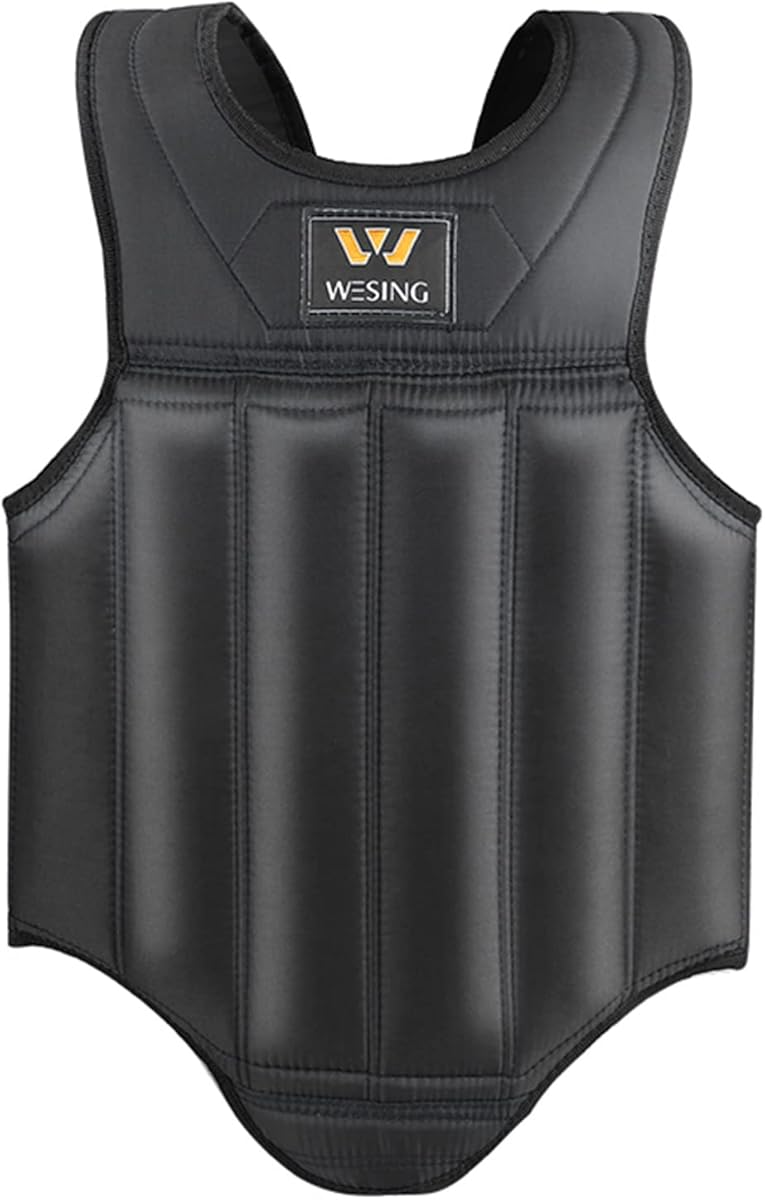
When selecting a chest protector for Muay Thai, MMA, or Sanda training, the Wesing model demonstrates key features serious practitioners need. This specific guard must balance rib protection with shoulder mobility, as fighters transition between striking and clinching positions.
Key Considerations Before Buying
- Assess the guard's coverage for your specific discipline—Muay Thai requires protection for floating ribs during body kicks, while MMA needs less restrictive shoulder movement for grappling.
- Evaluate the closure system's security during high-intensity sparring; the Wesing uses hook-and-loop straps that must withstand repeated impact without loosening.
- Consider the foam density distribution—thicker padding over the sternum and ribs versus thinner material under the arms affects both protection and ventilation.
What Our Analysts Recommend
Examine stitching quality around stress points like the armholes and strap attachments, as these areas fail first in budget guards. Quality chest protectors use layered EVA foam with a shock-dispersing top layer rather than single-density padding that compresses permanently.
Chest & Rib Guards Market Context
Market Overview
The martial arts chest guard market is flooded with imported gear at varying quality levels, with many brands using similar manufacturing templates. Authentic user feedback becomes crucial as specifications often don't reflect real-world durability differences.
Common Issues
Many budget protectors suffer from strap failure within months, foam that loses resilience after repeated impacts, and poor ventilation causing excessive heat buildup during extended training sessions.
Quality Indicators
Look for multi-directional stitching, reinforced nylon webbing on straps, and foam that returns to shape after compression. Higher-end guards often incorporate moisture-wicking liners and anatomical curvature for better fit.
Review Authenticity Insights
Grade B Interpretation
A Grade B authenticity rating with 15% estimated fake reviews suggests generally reliable feedback with some manipulation. For the Wesing guard, this means most reviews reflect genuine user experience, though the 4.33 average rating may be slightly inflated.
Trust Recommendation
Focus on reviews discussing specific training scenarios like 'took multiple roundhouse kicks' or 'used during clinch drills,' as these demonstrate actual use. Be skeptical of reviews lacking sparring context or those comparing only to no protection.
Tips for Reading Reviews
Prioritize reviews mentioning long-term durability (3+ months of use) and those describing fit adjustments for different body types. For chest guards, reviews discussing breathability during extended sessions offer more value than generic comfort statements.
Expert Perspective
The Wesing chest protector's adjusted 4.00 rating from authentic reviews indicates solid performance for its price segment, particularly given the high proportion of genuine feedback. The product appears to deliver adequate protection for recreational to intermediate training, though competitive fighters might seek more specialized options. The consistency in reviews mentioning good rib coverage suggests this guard addresses a key concern for Muay Thai practitioners.
Purchase Considerations
This guard represents solid value for school training and controlled sparring, but examine your specific needs—fighters focusing heavily on MMA may require greater shoulder mobility than this Muay Thai-oriented design provides. Consider whether your training frequency justifies potential strap replacement within 6-12 months.
Comparing Alternatives
Compare the Wesing's strap configuration and foam thickness against similar-priced competitors like RDX or Fairtex, as closure systems vary significantly even within this category.