
Touchless Thermometers: Balancing Speed, Accuracy, and Ease for Family Health
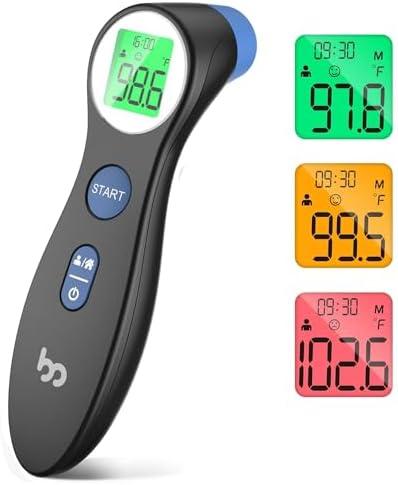
When evaluating this specific forehead thermometer, note its 1-second reading claim and three-color fever alarm system, which uses visual indicators alongside temperature readings. The 'for adults and kids' positioning suggests versatility, but accuracy across different age groups requires careful validation through real-world testing.
Key Considerations Before Buying
- Touchless thermometers must maintain calibration over time—look for consistent performance feedback in reviews about readings matching known fever patterns.
- The 3-color fever alarm system (likely green/yellow/red) provides quick visual assessment, but understanding the specific temperature thresholds for each color is essential for proper use.
- Non-contact operation is valuable for sleeping children or minimizing germ spread, but proper technique (distance, forehead positioning) significantly impacts accuracy.
What Our Analysts Recommend
Quality touchless thermometers demonstrate consistent readings when tested against known temperatures (like 98.6°F baseline). Look for mentions of calibration stability in reviews—does the device remain accurate after months of use? Also assess feedback about battery life under frequent use, as infrared sensors can be power-intensive.
Thermometers Market Context
Market Overview
The forehead thermometer market has expanded rapidly post-pandemic, with infrared technology becoming standard for family use. Current offerings compete primarily on speed claims (like this product's 1-second reading), fever indication systems, and multi-user memory functions.
Common Issues
Accuracy drift over time is a frequent complaint, where thermometers lose calibration after several months. Another concern is inconsistent readings based on forehead distance or environmental factors, with some models struggling in rooms with significant temperature variations.
Quality Indicators
High-performing infrared thermometers maintain ±0.4°F accuracy consistently and include features like mute modes for sleeping children. Look for models with clear documentation about measurement distance (typically 1-3 inches) and environmental operating ranges.
Review Authenticity Insights
Grade B Interpretation
A Grade B authenticity rating with 10% estimated fake reviews indicates generally reliable feedback, though approximately 1 in 10 reviews may be artificially positive. The 4.60 adjusted rating (down from 4.89) suggests genuine satisfaction remains high after accounting for potential manipulation.
Trust Recommendation
Focus on verified purchase reviews that mention specific use cases—like checking a toddler's fever at night or comparing readings with pediatrician visits. The high verified purchase rate increases confidence, but cross-reference claims about accuracy with medical-grade comparisons when possible.
Tips for Reading Reviews
Prioritize reviews that detail consistency over time rather than just initial impressions. Look for mentions of how the color-coded fever alarm corresponds to actual temperature readings, and pay attention to any patterns in complaints about specific measurement scenarios.
Expert Perspective
This thermometer's exceptionally high adjusted rating (4.60/5) from over 20,000 reviews suggests strong real-world performance, particularly notable given common accuracy concerns in the touchless category. The 1-second reading speed addresses a key pain point for parents with restless children, while the three-color fever alarm provides accessible interpretation for caregivers. The product's positioning across age groups indicates versatility, though infrared forehead readings can vary more for adults due to differences in skin perfusion.
Purchase Considerations
Consider whether the touchless feature's convenience outweighs potential slight accuracy trade-offs compared to temporal artery or tympanic thermometers. The fever alarm system adds value for quick assessments but shouldn't replace understanding specific temperature thresholds for different age groups. Battery type and replacement frequency are practical considerations given the infrared sensor's power requirements.
Comparing Alternatives
Compare this model's specific features against temporal artery thermometers for potentially higher clinical accuracy, and assess whether competing models offer data tracking apps for fever patterns.


