
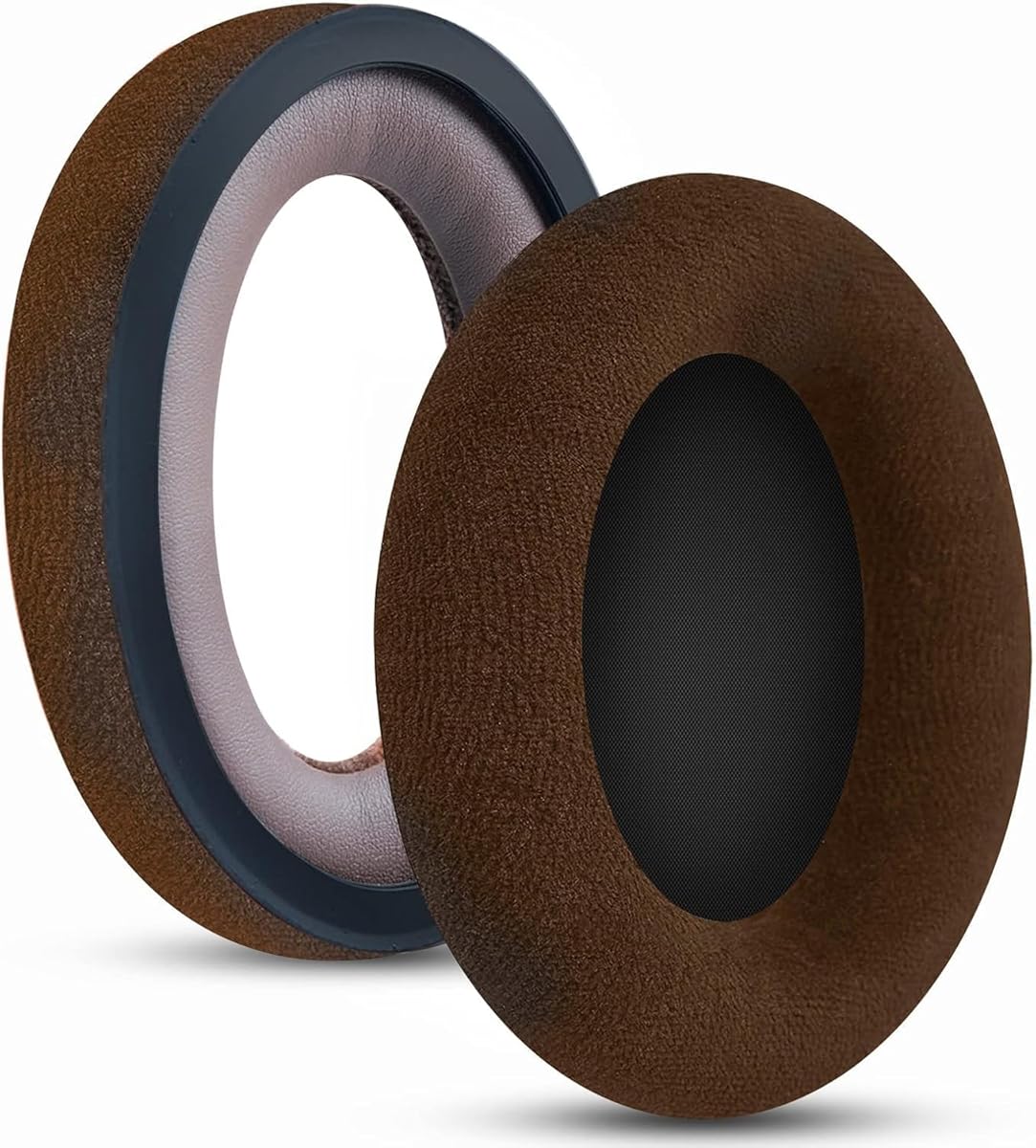
Choosing Aftermarket Ear Pads for Sennheiser HD Series: Comfort vs. Sound Preservation
When replacing ear pads for Sennheiser HD500/HD600 series headphones, the Gvoears dense velvet cushions present a specific trade-off between plush comfort and acoustic integrity. These third-party pads use a thicker, denser velvet material than Sennheiser's original velour, which directly impacts both wearability and sound signature. Buyers should understand that ear pad replacement isn't just about comfort—it's a modification to your headphones' acoustic chamber.
Key Considerations Before Buying
- Material density affects sound: The 'dense velvet' construction of these Gvoears pads will slightly reduce high-frequency clarity compared to Sennheiser's original velour, creating a warmer, more intimate sound profile that some listeners prefer.
- Compatibility precision matters: While marketed for numerous HD models, the HD598/HD599 series have slightly different ear cup dimensions than HD518/HD558 models—verify your specific headphone generation fits the oval shape correctly without gaps.
- Installation durability: These pads use a stretch-and-tuck mounting system rather than adhesive; proper seating ensures they won't detach during normal use but requires careful alignment during replacement.
What Our Analysts Recommend
Quality aftermarket pads should maintain consistent stitching around the entire perimeter without loose threads, particularly at the inner lip where stress concentrates during installation. The foam should rebound fully after compression—collapsed foam indicates inferior materials that will degrade comfort quickly. Check that the velvet nap runs uniformly across the surface; inconsistent pile affects both comfort and sound diffusion.
Market Context
Market Overview
The aftermarket headphone pad market has exploded as premium headphones age, with dozens of manufacturers offering replacements at 30-60% of OEM prices. Gvoears operates in the mid-tier segment, competing with brands like Brainwavz and Dekoni on comfort-focused designs rather than acoustic precision. Most third-party pads prioritize material softness over sound neutrality.
Common Issues
The most frequent complaints involve acoustic changes—pads that are too thick or dense can muddy bass response or create unnatural midrange resonance. Installation difficulties plague many third-party options, with pads either too loose (causing rotation) or too tight (risking ear cup damage). Material inconsistencies between batches sometimes result in mismatched pad firmness.
Quality Indicators
Superior pads use memory foam with slow rebound rather than cheap polyurethane that flattens permanently. Look for double-stitching at stress points and fabric that breathes well to prevent heat buildup. The best replacements maintain the original pad's internal volume and angle to preserve the headphone's engineered soundstage.
Review Authenticity Insights
Grade B Interpretation
A Grade B authenticity rating with 15% estimated fake reviews indicates generally reliable feedback with some promotional content mixed in. The 0.34-point drop from the displayed 4.44 to adjusted 4.10 rating suggests some inflated 5-star reviews, but the substantial number of 3-4 star reviews provides balanced perspective.
Trust Recommendation
Focus on reviews mentioning specific acoustic changes or long-term wear (3+ months) rather than generic comfort praise. The verified purchase badge carries more weight here, as some incentivized reviews may overstate durability. Pay particular attention to reviews comparing these directly to worn-out original pads.
Tips for Reading Reviews
Look for reviewers who specify their headphone model (HD598 vs. HD599) as fit varies slightly. Reviews discussing sound changes in technical terms ('reduced soundstage,' 'warmer mids') typically indicate experienced users. Be skeptical of reviews claiming 'identical to OEM'—third-party materials always alter acoustics to some degree.
Expert Perspective
The Gvoears pads represent a viable comfort-focused alternative for Sennheiser owners willing to accept modest acoustic trade-offs. Their 4.10 adjusted rating reflects genuine satisfaction with the plush velvet feel, though some users report fit inconsistencies across different HD models. The dense construction provides excellent isolation and cushioning but does alter the headphones' original sound signature toward a more intimate presentation. For users whose primary concern is restoring comfort to worn headphones rather than perfect acoustic fidelity, these offer reasonable value.
Purchase Considerations
Consider whether your priority is acoustic preservation (where OEM pads may be worth the premium) or maximum comfort at lower cost. Owners of HD598/HD599 models report better fit than HD518/HD558 users due to subtle oval dimension differences. If you found the original velour pads itchy or insufficiently padded, these dense velvet alternatives address those specific complaints effectively.
Comparing Alternatives
Compare with Wicked Cushions' velour options for closer acoustic matching, or Brainwavz oval velour pads if you prioritize installation ease over material density.


