
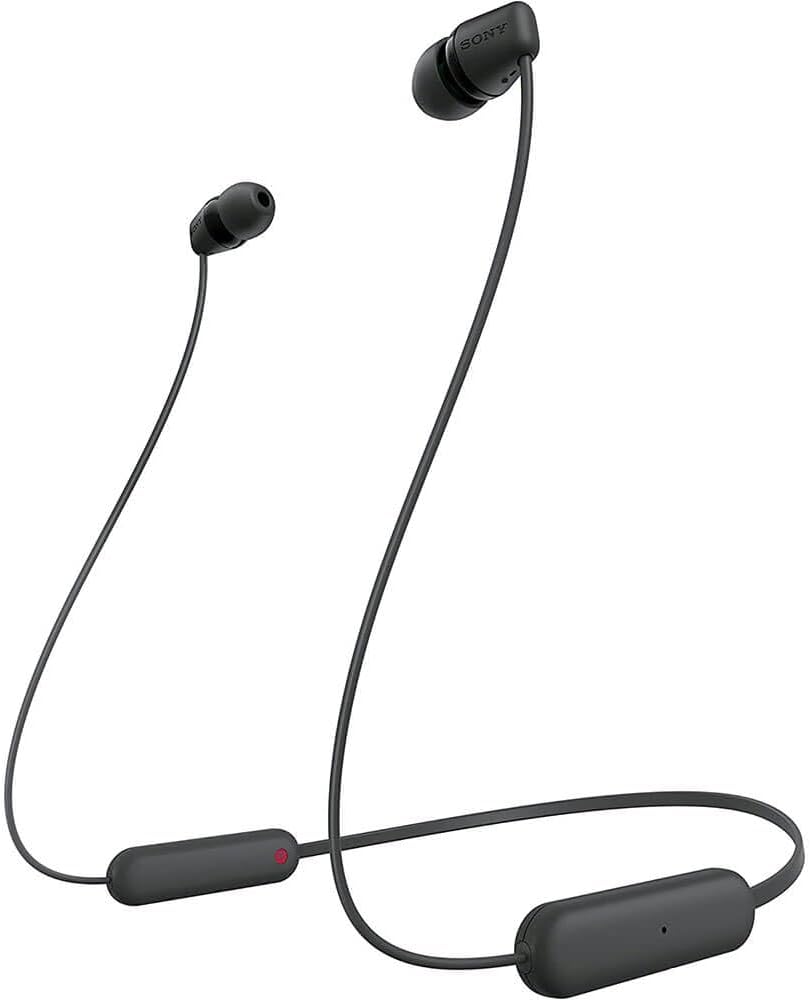
What to know about Sony's neckband-style wireless earbuds before buying
The Sony WI-C100 represents a specific category of wireless audio: the neckband-style in-ear headphone. Unlike true wireless earbuds, this design features a flexible cable connecting the earpieces, housing the battery and controls. For buyers considering this model, understanding its unique form factor and intended use case is crucial.
Key Considerations Before Buying
- The neckband design offers stability for active use but may not suit those who prefer a completely wire-free feel or need to wear hats or helmets frequently.
- With a 4.78/5 rating from over 13,000 verified purchases, real-world user satisfaction is exceptionally high, particularly regarding comfort for extended wear and reliable Bluetooth connectivity.
- Consider the 10-hour battery life against your daily usage; it's sufficient for a full workday but falls short of some competitors offering 15+ hours on a single charge.
What Our Analysts Recommend
For neckband-style headphones, examine the cable material and magnetic earpiece clasps, which Sony includes for easy storage. Check that the in-line controls are intuitively placed for volume, playback, and call management without needing to reach for your phone.
Earbud Headphones Market Context
Market Overview
The wireless earbud market is dominated by true wireless models, but neckband styles like the WI-C100 maintain a loyal following for their stability, longer battery life from a larger form factor, and lower risk of losing an individual earpiece. They are often priced more accessibly than premium true wireless options.
Common Issues
Common complaints in this category include microphone quality for calls in noisy environments, neckband comfort with certain clothing (like high collars), and cable durability over time. Some users also report connectivity issues with multi-device pairing.
Quality Indicators
Look for reputable codec support like AAC for iOS users, IPX4 or higher ratings for sweat and water resistance if used for exercise, and clear specifications on driver size (the WI-C100 uses 9mm drivers) which influences sound profile and bass response.
Review Authenticity Insights
Grade B Interpretation
A 'Grade B' with an estimated 10% fake review rate indicates a generally trustworthy review landscape, but suggests shoppers should remain slightly cautious. The high volume of verified purchases (13,454 reviews) significantly bolsters credibility, as these are confirmed buyers.
Trust Recommendation
Focus on the detailed, verified reviews that discuss specific use cases like commuting, workouts, or work calls. The adjusted rating of 4.50/5, which accounts for suspicious reviews, is still excellent and likely reflects a more accurate picture of genuine user satisfaction.
Tips for Reading Reviews
Prioritize reviews that mention long-term use (several months) to assess durability, and look for comments on call clarity and Bluetooth stability with different devices. Be wary of overly vague 5-star reviews that lack specific details about sound, fit, or battery performance.
Expert Perspective
The Sony WI-C100's exceptional user rating, backed by a massive sample of verified reviews, signals a product that reliably delivers on core promises: comfortable all-day wear, stable connectivity, and solid sound for its price point. Its 'Grade B' authenticity score is common for high-volume electronics and doesn't detract from the evident positive consensus. This model excels as a practical, no-fuss audio solution rather than a premium audiophile product.
Purchase Considerations
Weigh the convenience of the neckband design against the desire for complete wireless freedom. If your primary uses are commuting, office work, or workouts where you don't want to worry about losing an earpiece, this is a strong contender. If you prioritize absolute portability or advanced features like active noise cancellation, look elsewhere.
Comparing Alternatives
Shoppers should compare the WI-C100 directly with other neckband models from brands like JBL or Jabra, and consider if the price difference to entry-level true wireless earbuds is justified for their needs.


