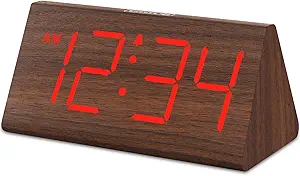
Evaluating Sunrise Alarm Clocks: Key Features for Heavy Sleepers vs. Reliability
The ecozy Sunrise Alarm Clock markets itself specifically to heavy sleepers with features like sunrise simulation and app control. When considering this type of smart wake-up light, the advertised functionality must be weighed against real-world reliability and build quality, as these devices combine light therapy, sound, and connectivity.
Key Considerations Before Buying
- Sunrise simulation quality is critical; look for a smooth, gradual 20-30 minute light ramp that mimics natural dawn, not just a simple on/off function, to effectively combat sleep inertia.
- For heavy sleepers, the integration of escalating natural sounds or FM radio with the light is essential; the alarm should be persistent and not easily dismissed.
- App and voice control (like Alexa/Google) add convenience but introduce potential points of failure; a reliable physical backup interface is a must-have for a primary alarm.
What Our Analysts Recommend
High-quality sunrise clocks use high-CRI LEDs for a natural light color and have robust, intuitive buttons or dials. Check for consistent user reports on the alarm's loudness and the app's stability over time, as these are common failure points in this category.
Alarm Clocks Market Context
Market Overview
The sunrise alarm clock market is crowded with models offering similar feature sets—sunset simulation, colored night lights, and nature sounds. Differentiation often comes down to software stability, light quality, and the user experience of companion apps, which can vary dramatically.
Common Issues
Common problems include apps that lose connection, sunrise sequences that are too abrupt or dim, alarms that are not loud enough for genuine heavy sleepers, and physical buttons that feel cheap or unresponsive. Many models struggle with long-term reliability.
Quality Indicators
Look for brands with established reputations in sleep technology or lighting. Detailed, verified reviews that discuss months of use are more valuable than first-impression posts. A solid warranty and responsive customer service are strong indicators of manufacturer confidence.
Review Authenticity Insights
Grade F Interpretation
A Grade 'F' and a 69.20% estimated fake review rate mean the product's published 4.15/5 rating is highly inflated and not trustworthy. This level of inauthentic activity suggests a deliberate attempt to mask potential product shortcomings.
Trust Recommendation
Given the extreme fake review activity, we recommend avoiding this ecozy model. The adjusted rating of 2.75/5, derived from more authentic reviews, is a far more accurate reflection of likely user experience and indicates significant issues.
Tips for Reading Reviews
For this product, ignore 5-star reviews praising it generically. Focus critical 2-4 star reviews that mention specific, testable flaws like 'app crashed after a week,' 'sunrise too fast,' or 'alarm volume too low.' Look for reviews marked 'Verified Purchase' that include photos or videos.
Expert Perspective
The discrepancy between the advertised 4.15-star rating and the adjusted 2.75-star rating is a major red flag. For a device meant to reliably wake heavy sleepers, such a high level of review manipulation suggests fundamental problems with performance, durability, or software. The feature list is attractive, but the authenticity data indicates the execution likely falls short. A sunrise alarm is a trust-based product; you need confidence it will work every morning.
Purchase Considerations
The primary consideration is risk: the data strongly suggests a high probability of encountering the issues hinted at in the authentic lower-scoring reviews. The smart features (app/voice control) may be more problematic than beneficial. Weigh the desire for these specific features against the need for a dependable, long-term bedside device.
Comparing Alternatives
Shoppers should prioritize comparing models from brands with more transparent review histories and proven reliability in the sleep-aid space.