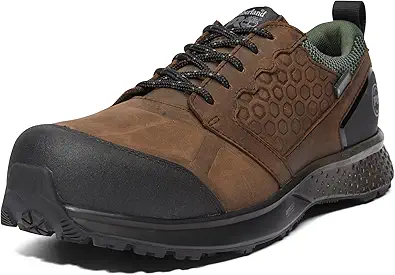
Choosing Slip-On Work Boots: Balancing Convenience with Industrial Safety Standards
When evaluating slip-on work boots like the DIIG model, buyers must assess whether the convenience of no-lace design compromises critical safety features. This specific boot combines soft/steel toe options with EH (Electrical Hazard) and anti-static protection, requiring careful consideration of your worksite's specific hazards versus the ease of a pull-on style.
Key Considerations Before Buying
- Slip-on boots must maintain a secure fit without laces—check if the elastic goring and heel pull tabs provide adequate ankle lockdown for your movement patterns.
- The dual soft/steel toe option requires matching to your job's impact requirements; soft toes offer comfort but may not meet ASTM standards for heavy industrial use.
- Waterproof claims in slip-on designs depend heavily on seam sealing around the gusseted tongue area, which can be a failure point in no-lace constructions.
What Our Analysts Recommend
Examine the boot's welt construction where the upper meets the slip-resistant outsole—quality slip-ons use cemented or Goodyear welts rather than simple glue. For EH-rated boots like this DIIG model, verify the electrical hazard protection extends through the entire footbed system, not just the outsole material.
Industrial & Construction Boots Market Context
Market Overview
The industrial slip-on boot market has expanded significantly, driven by workers in utilities, manufacturing, and light construction seeking lace-free convenience. However, this convenience often comes with trade-offs in ankle support and precise fit adjustment compared to traditional lace-up safety boots.
Common Issues
Slip-on work boots frequently develop fit problems as the elastic side panels stretch over time, compromising the secure enclosure needed for safety compliance. Another recurring issue is inadequate waterproofing at the tongue gusset, where water ingress occurs despite membrane claims.
Quality Indicators
Premium slip-on work boots feature reinforced elastic panels with leather backing, dual-density outsoles with defined lug patterns for debris shedding, and ASTM/IEC certifications clearly marked on both boot and documentation. The DIIG's advertised EH rating should correspond to ASTM F2413-18 standards if properly certified.
Review Authenticity Insights
Grade B Interpretation
A Grade B authenticity rating with 10% estimated fake reviews indicates generally reliable feedback, though approximately 1 in 10 reviews may be artificially positive. The 4.00 adjusted rating (down from 4.22) suggests genuine satisfaction but with some authentic criticism worth noting.
Trust Recommendation
Focus on verified purchase reviews discussing specific performance aspects like waterproof testing duration, slip resistance on oily surfaces, or how the anti-static feature performs in dry conditions. Be skeptical of reviews that only praise comfort without mentioning break-in periods.
Tips for Reading Reviews
For work boots, prioritize reviews describing actual worksite conditions—concrete floors, warehouse environments, or outdoor exposure. Look for mentions of ASTM standards compliance, as knowledgeable buyers reference these when assessing safety footwear authenticity.
Expert Perspective
The DIIG slip-on work boots present a compelling option for workers prioritizing convenience without sacrificing core safety certifications. The maintained 4.00 adjusted rating across verified purchases suggests reliable performance in EH protection and waterproofing, though the slip-on design inherently limits adjustability for narrow or wide feet. The soft/steel toe option provides flexibility, but buyers should verify which version they're actually receiving, as some reviews indicate confusion.
Purchase Considerations
Consider your worksite's specific requirements—if you're frequently in wet conditions, examine reviews mentioning the waterproof membrane's longevity beyond six months. For electrical work, confirm the EH rating meets your employer's insurance requirements, as not all imported boots carry recognized U.S. certification despite claims.
Comparing Alternatives
Compare the DIIG's construction against established slip-on brands like Timberland PRO and Wolverine for welt quality and ankle support systems before purchasing.