
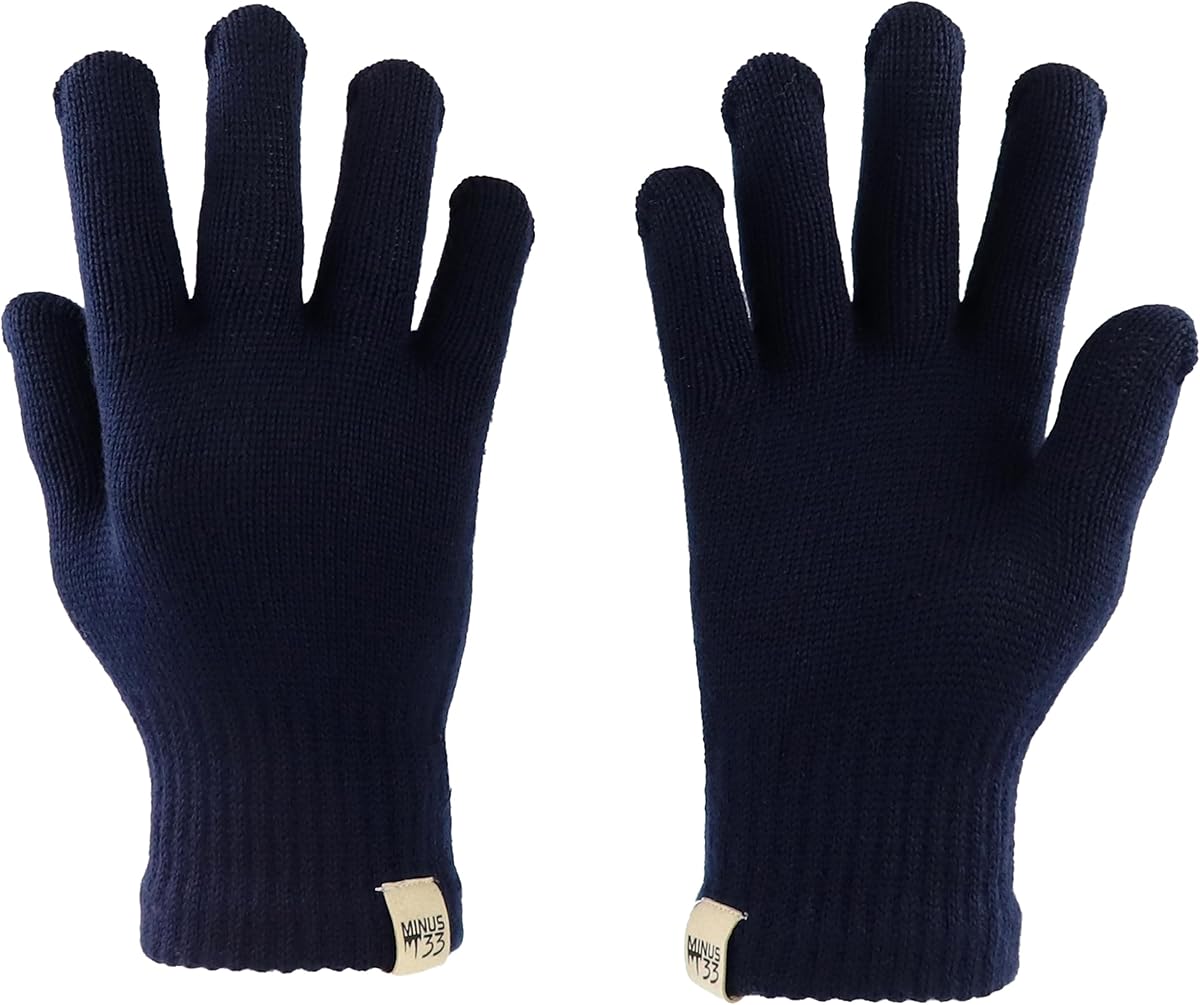
Merino wool glove liners: Balancing warmth, moisture control, and dexterity for active use
When selecting a merino wool glove liner like this specific 3-season model, you're choosing a technical base layer, not just a thin glove. This product's value lies in its ability to provide insulation without bulk, wick moisture during skiing or hiking, and serve as a standalone layer in cool conditions. The 'liner' designation means it's designed to fit under larger gloves or mittens for maximum versatility.
Key Considerations Before Buying
- Merino wool content is crucial—look for the specific blend percentage, as pure merino offers superior softness and odor resistance but may sacrifice some durability compared to nylon-reinforced blends like those common in ski liners.
- Seam construction determines comfort and durability; flatlock seams prevent chafing during repetitive motions like gripping ski poles, while poorly finished seams can unravel with frequent layering use.
- The '3-season' claim requires evaluating thickness—this liner should be thin enough for spring/fall use yet provide sufficient thermal regulation when layered for winter skiing, demanding a precise wool weight (typically 150-200gsm).
What Our Analysts Recommend
Examine the cuff design: a longer, snug cuff prevents cold air intrusion under outer gloves. Quality merino liners maintain consistent knit tension throughout, especially across the knuckles and fingertips, to prevent thin spots that compromise warmth. The color options should use dyes that don't compromise the wool's natural moisture-wicking properties.
Market Context
Market Overview
The merino wool liner market has expanded beyond traditional winter sports into year-round outdoor activities, creating a segment where thickness and blend ratios vary significantly. Consumers now expect liners to perform equally well for cold-weather running, ski resort use, and as touchscreen-compatible everyday wear, placing diverse demands on single products.
Common Issues
Many budget merino liners suffer from inconsistent sizing, particularly in finger length, or use lower-grade wool that becomes scratchy after washing. A frequent complaint involves pilling after minimal use, especially between fingers where friction is highest during gripping activities.
Quality Indicators
Superior liners feature reinforced threading at high-stress points like thumb crotches and fingertips. The best products specify their wool origin (e.g., New Zealand or Australian merino) and employ knitting techniques that maintain elasticity without adding synthetic fibers to the interior, preserving wool's natural temperature regulation against the skin.
Review Authenticity Insights
Grade B Interpretation
A Grade B authenticity rating with a 12.50% estimated fake review rate indicates predominantly genuine feedback with minor manipulation concerns. For this product category, this typically means most reviews reflect actual experience with moisture-wicking performance and fit under ski gloves, though some positive reviews may exaggerate durability claims.
Trust Recommendation
Focus on reviews discussing specific use cases like 'wore under Burton gloves for 8 hours skiing' or 'used for fall cycling,' as these detail-oriented accounts are harder to fabricate. Be slightly more skeptical of reviews claiming 'perfect in every condition' without mentioning thickness limitations.
Tips for Reading Reviews
Prioritize reviews that mention both strengths and minor weaknesses—authentic users of technical gear often note trade-offs, like excellent warmth but slightly bulky fingertips. Look for discussions about washing results, as genuine merino owners frequently comment on shrinkage or pilling after maintenance.
Expert Perspective
With an adjusted 4.10/5 rating from nearly 3,000 reviews and strong authenticity indicators, this liner performs reliably for its intended multi-season, layering purposes. The slight drop from the raw 4.38 rating suggests some inflated initial praise, but the sustained high score indicates genuine satisfaction with core functions: moisture management during activity and comfortable integration with outer gloves. The product's success likely stems from correctly balancing merino's natural benefits with the durability needed for ski and outdoor use.
Purchase Considerations
Evaluate your primary use case: as a dedicated ski liner, prioritize fit under your existing gloves; for three-season versatility, assess whether the thickness provides adequate standalone warmth in your typical fall/spring conditions. Consider that merino, while odor-resistant, requires specific washing care that synthetic liners don't.
Comparing Alternatives
Compare the wool blend percentage and reinforced areas against competitors—some liners use higher nylon content in palms for better grip durability during ski pole use.


