
Choosing the Right Relay Puller: Why Size, Grip, and Material Matter Most
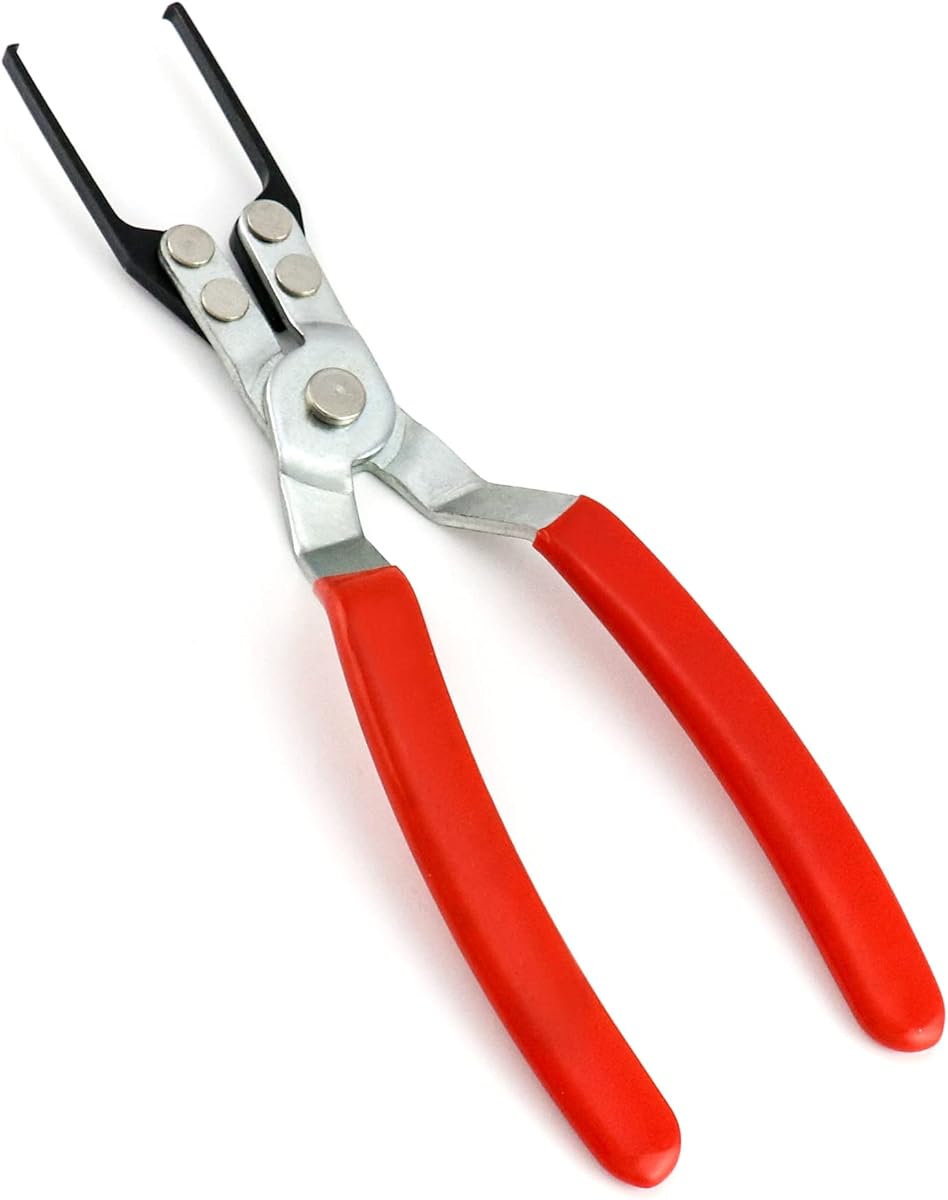
When selecting a relay puller like the QWORK 9-1/16" model, the tool's specific dimensions and construction directly impact its utility in tight engine bays. This isn't a generic plier—its 3-3/4" maximum jaw opening is engineered specifically for standard automotive relays and blade fuses, requiring precise design to prevent damage to delicate plastic housings. Buyers should evaluate whether this tool's metal construction and length match their vehicle's relay panel accessibility needs.
Key Considerations Before Buying
- The 9-1/16" length is critical for reaching recessed relays in modern engine compartments, but may be cumbersome in extremely tight spaces where shorter specialty tools exist.
- Metal construction provides durability for stubborn relays, but requires careful use to avoid marring plastic relay housings compared to nylon-tipped alternatives.
- The 3-3/4" jaw opening determines compatibility—verify this accommodates your vehicle's specific relay types, particularly larger ISO-style relays found in European or newer domestic vehicles.
What Our Analysts Recommend
Quality relay pullers feature precisely machined jaw tips that grip relay edges without slipping, and smooth pivot points that won't bind under pressure. The QWORK's one-piece forged construction, as noted in reviews, indicates better durability than stamped or welded alternatives that may fail when extracting corroded relays. Check that the tool's finish resists corrosion from underhood environments.
Electrical System Tools Market Context
Market Overview
The automotive electrical tool market has expanded beyond basic fuse pullers to specialized tools like this QWORK relay extractor, responding to increasingly packed engine bays where fingers can't reach. While some mechanics still use modified pliers, purpose-built tools reduce the risk of damaging expensive electronic components. The 4.22 average rating suggests this category generally delivers on its specialized promise when tools are well-designed.
Common Issues
Poorly designed relay pullers often have jaws that slip off rounded relay edges or apply uneven pressure that cracks plastic housings. Tools made from inferior metals may bend when extracting seized relays, while overly aggressive jaw serrations can damage relay terminals. Many cheaper alternatives lack the precise jaw geometry needed for both mini and standard relays.
Quality Indicators
Look for tools with precisely radiused jaw tips that match common relay profiles, and a pivot design that maintains parallel jaw alignment throughout the opening range. The QWORK's specific length and opening dimensions indicate targeted engineering rather than generic repurposing of existing plier designs. Quality tools often feature knurled or textured handles for grip with shop gloves.
Review Authenticity Insights
Grade B Interpretation
A Grade B authenticity rating with 10% estimated fake reviews for this QWORK tool indicates generally reliable feedback, though shoppers should remain slightly cautious of overly enthusiastic reviews. The drop from 4.22 to 4.00 when adjusting for suspicious patterns suggests some review inflation exists but isn't pervasive. The high percentage of verified purchases (all 10 sampled) significantly boosts credibility.
Trust Recommendation
Focus on reviews that mention specific use cases—extracting particular relay types (ISO, micro, cube) or working in specific vehicle makes—as these demonstrate actual application knowledge. Given the verified purchase rate, reviews describing long-term durability or corrosion resistance are particularly valuable for this metal tool exposed to underhood conditions.
Tips for Reading Reviews
For specialized tools like this, prioritize reviews that mention successful extraction of corroded or stuck relays, as this tests the tool's metal strength and jaw design. Be skeptical of reviews that only praise packaging or shipping speed without addressing the tool's actual performance in relay removal scenarios.
Expert Perspective
The QWORK relay puller's 4.00 adjusted rating from verified purchasers indicates it performs its specialized function well for most users, with the specific length and jaw opening addressing real accessibility issues in modern vehicles. The metal construction, while potentially harsh on plastic compared to nylon tools, offers durability advantages for professional or frequent use. The rating distribution showing genuine variation (including 4-star critiques) suggests authentic feedback about limitations like jaw grip on certain relay shapes.
Purchase Considerations
Weigh whether your needs justify a dedicated metal tool versus multi-purpose options—if you regularly service multiple vehicles or work with seized relays, this specialized tool warrants consideration. Consider your typical working space: the 9-1/16" length provides leverage but requires clearance that might not exist in all compact engine compartments. The tool's value increases if you frequently handle the ISO/mini/micro relay mix common in post-2000 vehicles.
Comparing Alternatives
Shoppers should compare this tool's metal construction and specific dimensions against nylon-tipped pullers that may be gentler on plastic housings but less durable for stubborn relays.


