
Evaluating Under-Cabinet Jar Openers: What Seniors and Those with Limited Grip Need to Know
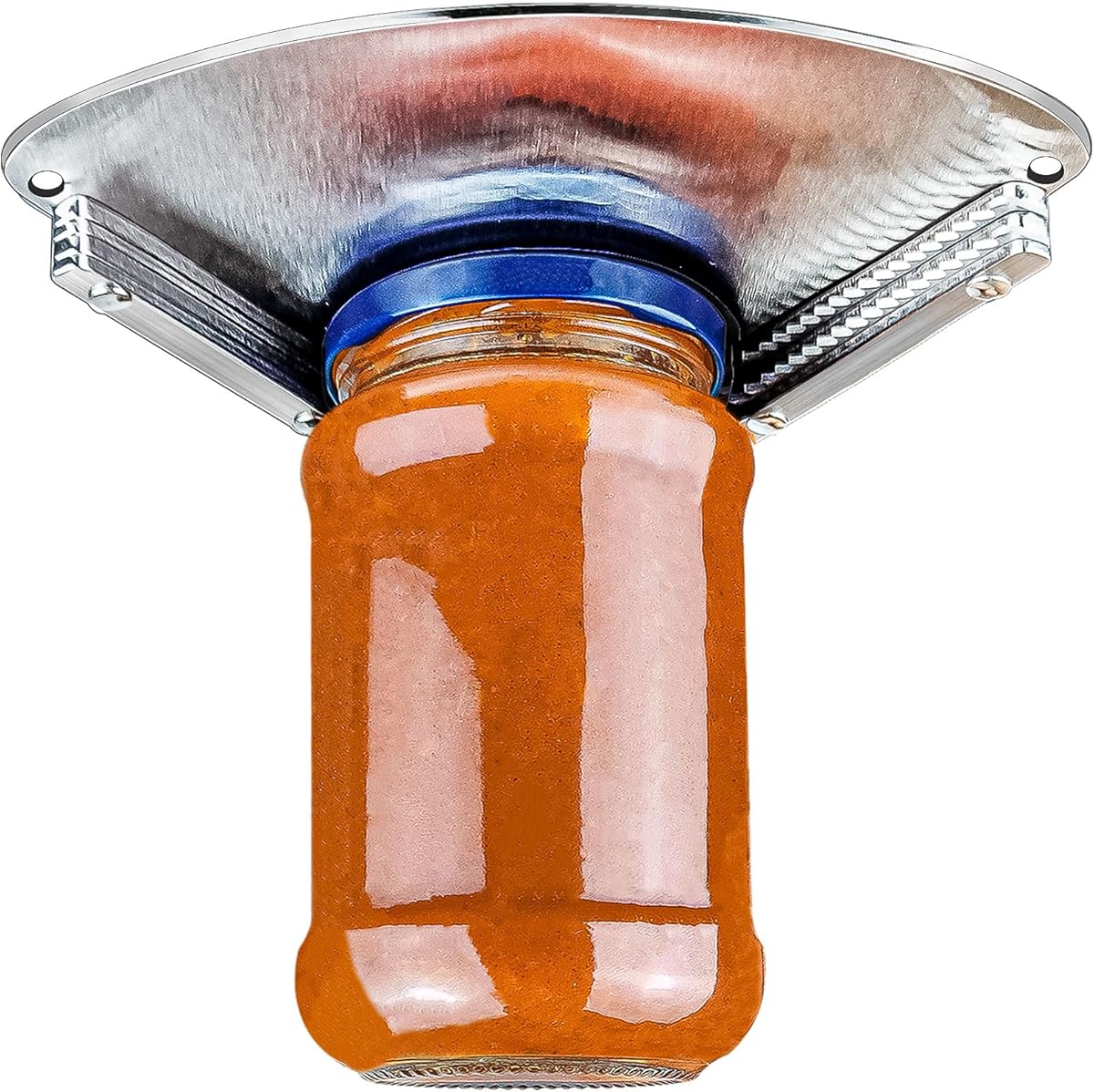
This specific 'Upgraded Stainless Steel' model is designed as a permanent under-cabinet mount, differentiating it from handheld or countertop jar openers. Buyers should understand that its effectiveness hinges on proper installation, the specific leverage mechanism, and the durability of its stainless steel gripping teeth against various lid sizes and materials.
Key Considerations Before Buying
- Mounting requirements: This tool requires secure installation under a cabinet lip or countertop overhang, so you must verify you have a suitable, sturdy mounting surface before purchase.
- Leverage vs. grip strength: Unlike tools you squeeze, this opener uses a long lever arm; assess if the user has the arm strength and range of motion to pull down on the handle with sufficient force.
- Lid size compatibility: Check the product specifications for the minimum and maximum lid diameters it can accommodate, as not all under-cabinet models handle small spice jars or very large pickle jar lids.
What Our Analysts Recommend
For under-cabinet openers, quality indicators include a thick-gauge stainless steel construction (not plated), securely riveted or welded pivot points, and deep, sharp serrations on the gripping jaw that won't slip. The mounting clamp should have substantial padding to protect cabinetry without slipping during use.
Jar Openers Market Context
Market Overview
The jar opener market has expanded significantly with aging populations, now featuring electric models, multi-purpose handheld tools, and permanent under-cabinet solutions like this one. Under-cabinet models are marketed for one-handed operation and saving counter space, appealing to users with arthritis or very weak grip strength.
Common Issues
Common failures include cheap pot metal or plastic components breaking at stress points, mounting mechanisms that slip or damage cabinetry, and gripping teeth that dull quickly or fail to engage smaller-diameter lids. Poorly designed leverage can also make the tool harder to use than a simple rubber grip pad.
Quality Indicators
Look for all-metal construction in stress-bearing components, particularly the lever arm and jaw. A high-quality model will specify the type of stainless steel (e.g., 304 grade) and feature a robust, adjustable mounting system. Smooth, consistent operation of the pivot is a sign of better manufacturing tolerances.
Review Authenticity Insights
Grade C Interpretation
A 'Grade C' authenticity score with an estimated 28% fake review rate indicates a concerning level of potentially inauthentic praise. This artificially inflates the visible 4.92/5 rating, making the product appear more universally acclaimed than genuine user experiences (reflected in the adjusted 4.20/5 rating) might suggest.
Trust Recommendation
Given the authenticity flags, place greater weight on the detailed 4-star and any lower-star reviews you can find, as they are more likely to be genuine. Be skeptical of 5-star reviews that are overly vague, repetitive in phrasing, or lack specific details about installation and real-world use cases.
Tips for Reading Reviews
Prioritize reviews that discuss the installation process, specific jar types opened (or failed), and long-term durability over months of use. Look for mentions of the product's performance with smooth versus ribbed lids, and whether the stainless steel shows corrosion or the teeth wear down.
Expert Perspective
The product's core promise—a permanently mounted, one-handed opener for weak hands—addresses a genuine need. However, the significant discrepancy between the posted rating (4.92) and the adjusted rating (4.20), coupled with the 'C' authenticity grade, warrants caution. This pattern suggests the product may have notable flaws that a subset of authentic reviewers have experienced, which are being masked by incentivized reviews. The 'Upgraded Stainless Steel' claim needs verification through user reports on material quality.
Purchase Considerations
Weigh the convenience of a permanent mount against the commitment of installation and the potential for the tool to become a single-purpose fixture. Consider if the user's physical limitations align with the required pulling motion rather than a squeezing or twisting action. The authenticity concerns mean you should purchase from a retailer with a strong, no-hassle return policy.
Comparing Alternatives
Shoppers should compare this model's mounting mechanism and jaw design with other well-reviewed under-cabinet openers, as well as consider high-leverage handheld models that offer similar mechanical advantage without installation.


