Choosing a Smart Scale: Accuracy, App Integration, and Body Composition Tracking
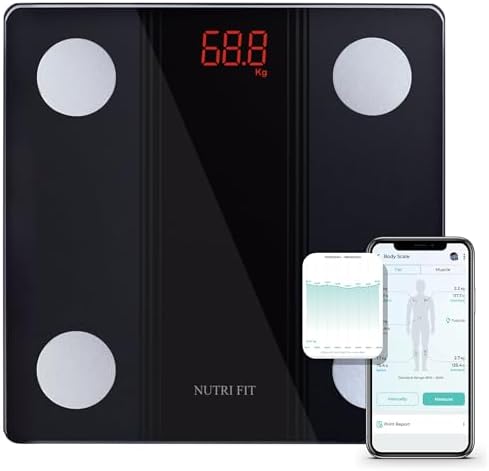
When evaluating the NUTRI FIT Bluetooth scale, focus on its dual functionality: basic weight measurement and advanced body composition analysis. This specific model promises high-precision measurements up to 330lbs and syncs via Bluetooth, which distinguishes it from simpler digital scales that only track weight.
Key Considerations Before Buying
- Bioelectrical impedance analysis (BIA) technology, which this scale uses for body fat and BMI readings, requires consistent conditions (hydration, time of day) for comparable results.
- Bluetooth connectivity quality varies significantly between smart scales; check if the NUTRI FIT app maintains stable sync or requires frequent re-pairing.
- The 330lb capacity and large platform design matter for user comfort and stability, especially compared to scales with smaller footprints.
What Our Analysts Recommend
For smart scales like NUTRI FIT, examine app functionality beyond basic syncing—does it track trends, set goals, or integrate with other health platforms? Also verify measurement consistency; quality scales provide repeatable results under identical conditions, not fluctuating readings.
Digital Market Context
Market Overview
The smart scale market has shifted from novelty to mainstream, with consumers expecting reliable body composition data alongside weight tracking. Products like the NUTRI FIT compete directly with established brands like Withings and Fitbit on features while often undercutting them on price.
Common Issues
Many Bluetooth scales suffer from connectivity drops, inaccurate body fat readings due to improper calibration, and apps that lack intuitive interfaces. Inconsistent measurements between barefoot and socked users also plague BIA-based scales.
Quality Indicators
Look for scales with tempered glass platforms (not plastic), auto-calibration on step-on, and clear documentation on BIA methodology. Quality apps offer data export options and don't require constant re-login.
Review Authenticity Insights
Grade B Interpretation
A Grade B with 15% estimated fake reviews indicates generally trustworthy feedback but suggests some review manipulation exists. For the NUTRI FIT scale, this means most 4-5 star reviews are likely genuine, but be cautious of overly enthusiastic reviews lacking specific usage details.
Trust Recommendation
Prioritize reviews discussing long-term use (2+ months) and app performance, as these address common smart scale pain points. The adjusted 4.30/5 rating (down from 4.67) better reflects authentic user experience.
Tips for Reading Reviews
Focus on reviews mentioning specific metrics like 'consistent BMI readings over 6 weeks' or 'Bluetooth syncs every morning without fail.' Be skeptical of reviews only praising packaging or delivery speed without addressing measurement accuracy.
Expert Perspective
The NUTRI FIT scale presents a compelling mid-range option based on its 4.30 adjusted rating from verified users. Its 330lb capacity and body composition tracking at this price point are competitive advantages. However, the 15% estimated fake review rate warrants careful scrutiny of extreme positive claims, particularly regarding BIA accuracy which varies significantly by individual physiology. The high proportion of genuine reviews suggests real users find value in its core functionality.
Purchase Considerations
Consider whether you need body composition tracking or just weight measurement—if the latter, a simpler digital scale may suffice. Evaluate your tolerance for potential app connectivity issues common in Bluetooth scales at this price tier. The tempered glass platform and auto-calibration are positive indicators of build quality.
Comparing Alternatives
Compare the NUTRI FIT's app features and measurement consistency against similar-priced models from Etekcity and RENPHO before deciding.