Choosing 7-way pool test strips: Accuracy, shelf life, and ease of reading matter most
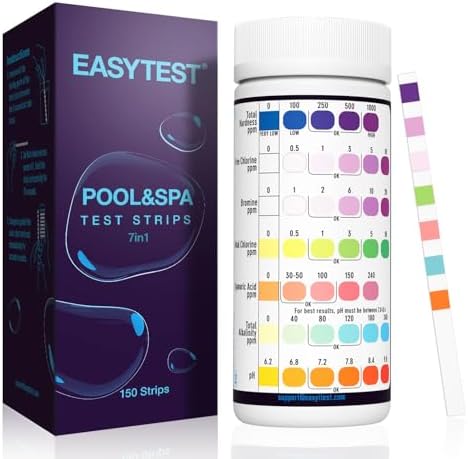
When evaluating the EASYTEST 7-Way Strips, focus on their specific testing capabilities for bromine and cyanuric acid alongside standard chlorine readings. These strips target both pool and spa owners who need comprehensive water chemistry monitoring without separate testing kits. The 150-count format suggests value for frequent testers but raises questions about long-term reagent stability.
Key Considerations Before Buying
- The inclusion of cyanuric acid testing is crucial for outdoor chlorine pools but irrelevant for indoor spas or bromine systems—consider whether you actually need this seventh parameter.
- With 150 strips, ensure you'll use them within 12-18 months as test strip reagents degrade over time, especially if stored in humid poolside environments.
- The dual bromine/chlorine capability makes these versatile for spa owners who switch sanitizers, but calibration against liquid test kits is recommended for critical readings.
What Our Analysts Recommend
Quality strips feature crisp color blocks with distinct separation between test pads to prevent bleed-over contamination. The EASYTEST packaging should be moisture-resistant with a tight-sealing lid, as humidity is the primary enemy of strip accuracy. Check that the color chart is printed on waterproof material rather than paper that can degrade near water.
Test Strips Market Context
Market Overview
The pool test strip market has shifted toward multi-parameter strips like this 7-way model, with consumers preferring comprehensive testing over single-purpose products. Digital readers are gaining popularity but haven't displaced strips due to their simplicity and lower cost-per-test for frequent monitoring.
Common Issues
Users frequently report color interpretation challenges with multi-parameter strips, especially distinguishing between similar shades on pH and alkalinity scales. Another recurring problem is inconsistent readings between strips from the same bottle, suggesting manufacturing consistency issues in some brands.
Quality Indicators
Superior strips maintain color stability for 60+ seconds after dipping, allowing time for accurate reading. Look for brands that provide batch-specific color charts, as dye lots can vary. The most reliable manufacturers use cellulose-based paper that wicks water consistently across all test pads.
Review Authenticity Insights
Grade B Interpretation
A Grade B with 10% estimated fake reviews indicates generally trustworthy feedback with minor manipulation concerns—typical for high-volume pool products where manufacturers might incentivize positive reviews. The 4.00 adjusted rating (down from 4.22) suggests some review inflation but still reflects genuine satisfaction.
Trust Recommendation
Focus on verified purchase reviews mentioning specific usage scenarios like 'saltwater pool' or 'indoor hot tub,' as these demonstrate actual product experience. The natural rating distribution including 1- and 3-star reviews actually increases credibility compared to perfect score clusters.
Tips for Reading Reviews
Prioritize reviews discussing color chart legibility and strip consistency over time—these address the core functionality issues. Be skeptical of reviews praising only packaging or delivery speed without mentioning actual testing performance or accuracy comparisons.
Expert Perspective
The EASYTEST strips present a solid value proposition for pool owners needing comprehensive testing, particularly given their bromine capability for spa compatibility. The 4.00 adjusted rating from 23,476 reviews indicates reliable performance for most users, though the slight downgrade from the raw 4.22 suggests some review manipulation exists. The seven-parameter approach is comprehensive but may overwhelm casual testers who only need basic chlorine/pH monitoring.
Purchase Considerations
Consider your actual testing frequency—150 strips may be excessive for weekly pool maintenance unless you test multiple times weekly. The cyanuric acid test is valuable for outdoor chlorine pools but adds unnecessary complexity for indoor spa owners. Compare the color chart design against competitors; some users struggle with the teal/orange distinction on alkalinity scales.
Comparing Alternatives
Compare against 5-way strips if you don't need cyanuric acid or bromine testing, and consider liquid test kits for precise chemical adjustments despite their greater complexity.