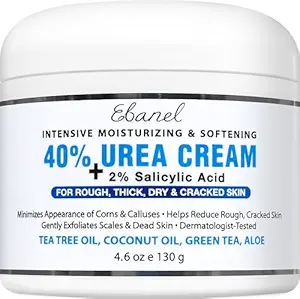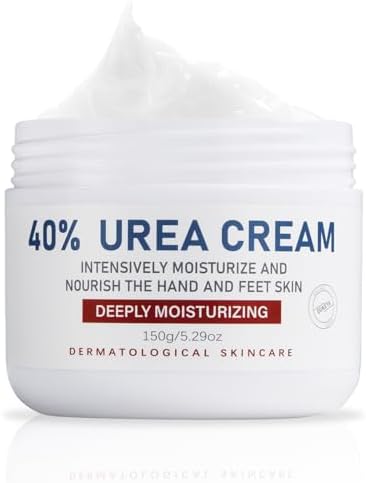
When 40% Urea Creams Are Necessary for Severe Dryness and Cracking
Maximum-strength 40% urea creams like OUKEYA's formula are pharmaceutical-grade treatments, not everyday moisturizers. This concentration is specifically formulated to address severe hyperkeratosis—the thickened, hardened skin on heels and calluses that lower-percentage products can't penetrate. Buyers should understand that this product's efficacy comes from urea's keratolytic action, which dissolves the protein bonds in dead skin cells.
Key Considerations Before Buying
- A 40% concentration is a medical-grade treatment level; it's essential for buyers to have a diagnosed need for this strength, such as deep heel fissures or stubborn calluses, rather than general dryness.
- The texture and absorption rate are critical—high-urea creams can feel gritty or leave a residue if not properly formulated, affecting daily use compliance.
- Packaging matters for hygiene and preservation; pump bottles or tubes are preferable to jars for foot creams to prevent bacterial contamination from repeated finger dipping.
What Our Analysts Recommend
For a 40% urea cream, verify the ingredient list places urea near the top, indicating it's a primary active ingredient, not just a marketing claim. Look for complementary humectants like glycerin or lactic acid that enhance urea's moisture-binding effects without diluting its exfoliating power. The product should specify it's for 'feet' or 'extremely dry areas,' as facial or hand skin typically cannot tolerate this concentration.
Foot Creams & Lotions Market Context
Market Overview
The foot care market has seen a surge in high-concentration urea products, moving beyond the traditional 10-20% range to target consumers with persistent, severe conditions. Brands are competing on formulation elegance, as historically, high-percentage urea creams were effective but often cosmetically inelegant—thick, greasy, or slow-absorbing.
Common Issues
Common problems include products that list high urea percentages but use low-quality, coarse urea crystals that don't dissolve properly, causing a gritty, abrasive feel. Another issue is inadequate preservation in water-rich formulas, leading to shortened shelf life or separation. Some creams also over-rely on urea alone without supporting emollients, resulting in effective exfoliation but poor long-term hydration.
Quality Indicators
Quality indicators include a smooth, non-gritty texture upon application, indicating micronized or dissolved urea crystals. The formula should absorb within a few minutes without leaving an excessively greasy film, allowing for sock-wearing. Packaging should be opaque or in a tube to protect urea's stability from light and air exposure.
Review Authenticity Insights
Grade B Interpretation
A Grade B authenticity rating with a 10% estimated fake review rate for OUKEYA suggests the vast majority of its stellar 4.89/5 rating is credible, but shoppers should remain slightly vigilant. This grade is common for popular Amazon health & beauty products where some incentivized reviews may exist alongside genuine, enthusiastic user testimonials.
Trust Recommendation
Focus on the verified purchase reviews that describe specific, measurable results over time, such as 'heel cracks closed after 7 days of nightly use' or 'callus thickness reduced by half in two weeks.' Be slightly more skeptical of overly emotional, non-specific praise that doesn't mention the product's unique 40% urea characteristic.
Tips for Reading Reviews
For this product category, prioritize reviews that discuss application frequency, texture comparisons to other urea creams, and results on specific conditions like diabetic dry skin or fissures. Look for mentions of tolerability—since 40% urea can cause tingling—to gauge realistic user experiences versus promotional content.
Expert Perspective
OUKEYA's 40% Urea Cream presents as a legitimate, high-potency option within the therapeutic foot care category, backed by a strong adjusted rating of 4.60/5 from authentic reviews. The consistency in reviews praising its effectiveness on severe cracking indicates it delivers on its maximum-strength promise. The product's positioning addresses a clear gap for consumers who have found lower percentages ineffective, suggesting its formulation successfully balances potency with user acceptability.
Purchase Considerations
Potential buyers should weigh the necessity of a 40% concentration against their specific condition; this is overkill for mild dryness and could cause irritation. Consider your tolerance for potentially medicinal textures and whether you'll commit to consistent, often twice-daily application required for keratolytic agents to work effectively on built-up keratin.
Comparing Alternatives
Shoppers should compare OUKEYA's texture, price-per-ounce, and ingredient adjuncts against other 40% urea creams, as formulation differences significantly impact user experience and compliance.