
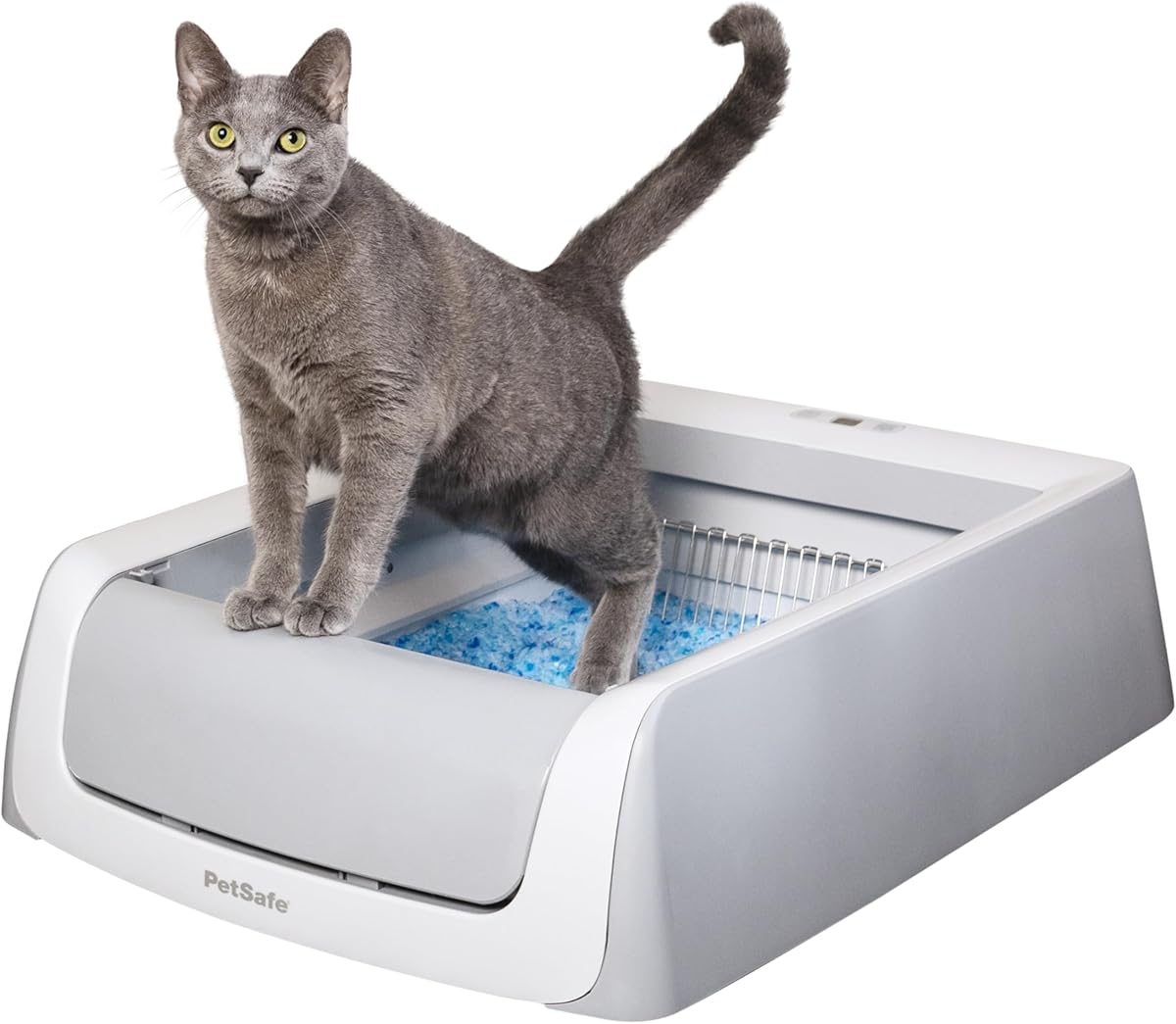
Evaluating Self-Cleaning Litter Boxes: What the PetSafe ScoopFree Second Gen Delivers
The PetSafe ScoopFree Second Generation represents a specific approach to automated litter management using crystal litter trays rather than clumping systems. Buyers should understand this model's reliance on disposable trays and its 20-day crystal absorption claim versus traditional scooping mechanisms. This system prioritises odour control through silica gel crystals and automated raking cycles.
Key Considerations Before Buying
- The crystal tray system requires ongoing purchase of proprietary refills, creating recurring costs versus traditional litter options.
- The health monitoring feature tracks usage frequency but requires manual data interpretation rather than providing automated alerts.
- The second generation's quieter motor and improved rake design address common complaints about earlier automated models jamming.
What Our Analysts Recommend
Quality indicators include consistent rake operation without frequent jams, effective odour containment despite the open-top design, and reliable sensor activation when cats exit. Check for robust construction around the waste compartment hinge and smooth tray insertion mechanisms that prevent alignment issues.
Litter Boxes Market Context
Market Overview
The UK automated litter box market has expanded beyond basic sifting systems to include premium self-cleaning models like the ScoopFree, which compete with litter robot-style units and basic automated rakers. Crystal-based systems occupy a specific niche between traditional clumping litter and fully enclosed rotating units.
Common Issues
Automated boxes frequently face mechanical failures in raking mechanisms, sensor reliability problems causing missed cleaning cycles, and odour breakthrough despite filtration claims. Many users report cats resisting enclosed designs or automated sounds.
Quality Indicators
Superior automated boxes demonstrate consistent mechanical operation through multiple waste cycles, effective odour sealing at waste compartments, and reliable weight or infrared sensors. Quality units maintain performance with various litter types and cat sizes without frequent adjustments.
Review Authenticity Insights
Grade B Interpretation
The Grade B authenticity rating with 15% estimated fake reviews indicates generally reliable feedback but suggests some promotional content exists. The 4.20 adjusted rating (down from 4.56) reflects more conservative scoring when questionable reviews are filtered, still indicating strong user satisfaction.
Trust Recommendation
Focus on verified purchase reviews discussing specific operational details like crystal tray longevity, actual odour control performance in multi-cat households, and mechanical reliability beyond the initial weeks. The high verification rate increases credibility for detailed technical complaints or praise.
Tips for Reading Reviews
Prioritise reviews mentioning long-term use (3+ months), multiple-cat households, and specific mechanical issues like rake jams or sensor failures. Look for discussions comparing crystal absorption claims versus real-world performance, as these provide actionable insights beyond general satisfaction statements.
Expert Perspective
The PetSafe ScoopFree Second Generation's 4.20 adjusted rating from nearly 5,000 verified reviews suggests it successfully addresses core automated litter box needs for most users. Its specific value proposition lies in predictable recurring costs through tray subscriptions versus unpredictable mechanical repairs of more complex systems. The second generation improvements appear meaningful based on reduced complaints about noise and jamming compared to earlier models. However, the open-top design inherently limits odour containment compared to fully enclosed competitors.
Purchase Considerations
Weigh the convenience of disposable trays against ongoing subscription costs (£15-20 monthly for multi-cat households). Consider whether your cats tolerate crystal litter textures and automated sounds, as these represent the most common adoption barriers. The health monitoring provides basic usage tracking but shouldn't replace veterinary oversight for actual health concerns.
Comparing Alternatives
Shoppers should compare tray-based systems like ScoopFree against litter robot-style units with reusable litter and different cleaning mechanisms.


