Evaluating budget ergonomic chairs: What the Yaheetech model delivers and where it falls short
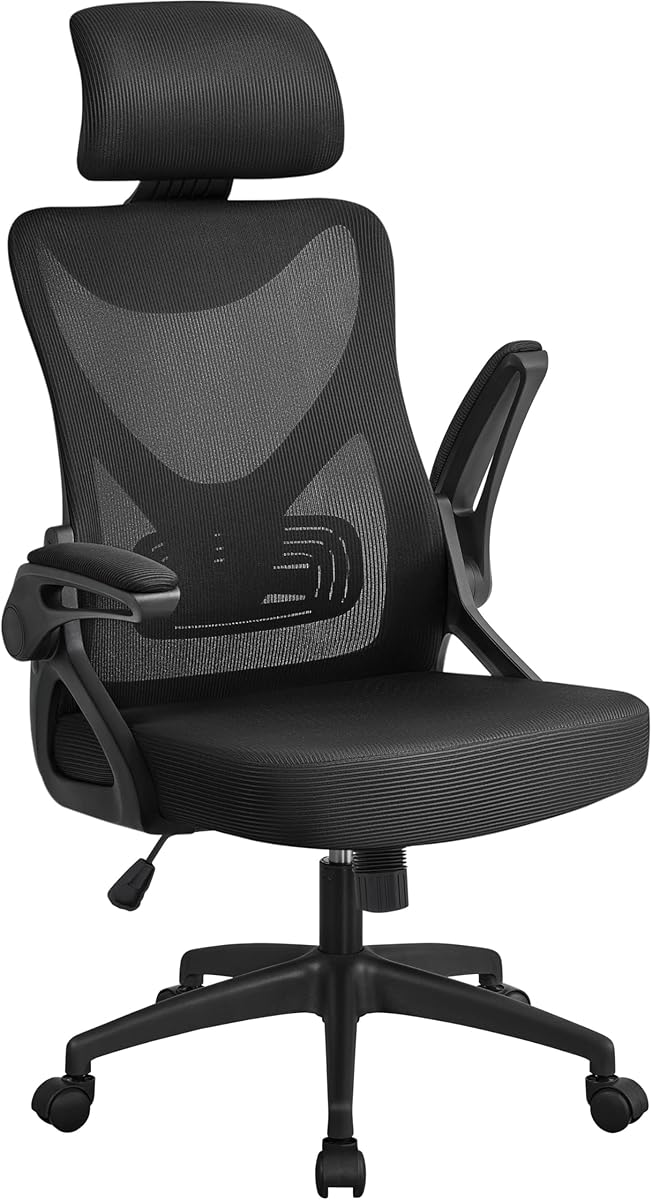
When considering the Yaheetech Ergonomic Office Chair, focus on its specific combination of flip-up armrests, high back design with headrest, and lumbar support system. This chair represents a budget-conscious approach to ergonomic seating that prioritizes adjustability features typically found in more expensive models, but with potential compromises in materials and long-term durability that buyers should understand before purchasing.
Key Considerations Before Buying
- The flip-up armrest design is particularly relevant for users who need to tuck chairs under desks or switch between sitting and standing positions, but these mechanisms may feel less substantial than fixed armrests on pricier chairs.
- With a 4.00 adjusted rating (excluding suspicious reviews), this chair performs adequately for its price point but shows noticeable variance in user experiences regarding comfort during extended sitting sessions.
- The combination of headrest and lumbar support addresses two key pressure points for office workers, but the fixed lumbar cushion (rather than adjustable) may not accommodate all body types equally well.
What Our Analysts Recommend
Examine the chair's gas lift mechanism and wheel quality—budget chairs often show wear here first. For the Yaheetech specifically, check reviews mentioning the mesh back's tension and the seat cushion's density retention over time, as these are common compromise points in sub-$200 ergonomic chairs. The chair's 265-pound weight capacity indicates its structural limitations compared to premium models.
Home Office Desk Chairs Market Context
Market Overview
The sub-$200 home office chair market has exploded with imported models like Yaheetech that package ergonomic features at aggressive price points, creating intense competition where brands differentiate through specific adjustability features rather than premium materials. These chairs typically use mesh backs, basic foam cushions, and simpler tilt mechanisms compared to their $300+ counterparts.
Common Issues
Budget ergonomic chairs frequently struggle with inconsistent assembly experiences, premature wear on moving parts like armrest mechanisms, and foam cushions that compress significantly within 6-12 months of regular use. The tilt tension adjustment on these chairs often provides limited range, making it difficult to achieve perfect recline resistance for all body weights.
Quality Indicators
Look for chairs with steel-reinforced bases (not just plastic), five-point star bases with dual-wheel casters for stability, and gas lifts certified to BIFMA standards. The Yaheetech's nylon wheel construction and class-3 gas lift represent minimum acceptable standards in this category, while chairs with aluminum bases and higher-grade casters typically indicate better long-term durability.
Review Authenticity Insights
Grade B Interpretation
A Grade B authenticity rating with 15% estimated fake reviews suggests that while most feedback is genuine, shoppers should approach the most glowing 5-star reviews with particular scrutiny. The adjusted rating dropping from 4.33 to 4.00 after filtering indicates that inflated positive reviews were present but not overwhelmingly dominant.
Trust Recommendation
Focus on reviews that mention specific use cases like '8-hour workdays' or 'gaming sessions' rather than generic praise, and pay special attention to 3-star reviews which often provide the most balanced assessment of this chair's value proposition versus its limitations.
Tips for Reading Reviews
For this product category, prioritize reviews that discuss assembly difficulty levels, comfort after 30+ days of use, and any issues with specific components like the flip-up armrest hinges or lumbar support attachment. Reviews mentioning the chair's performance for users over 200 pounds provide particularly valuable stress-test data.
Expert Perspective
The Yaheetech Ergonomic Chair represents a calculated trade-off: you're getting ergonomic features typically reserved for chairs costing $100+ more, but accepting potential compromises in long-term durability and premium comfort materials. Its 4.00 adjusted rating aligns with expectations for this price segment—adequate for occasional use but showing limitations for full-time remote workers. The flip-up armrests and included headrest are legitimate differentiators that address real workspace constraints, though their execution may not match higher-end alternatives.
Purchase Considerations
This chair makes the most sense for users needing basic ergonomic support on a strict budget, particularly those who value the space-saving armrest design. However, users planning 40+ hour weekly usage or weighing over 220 pounds should consider investing in a chair with more robust construction, as the Yaheetech's materials and mechanisms may show accelerated wear under heavy use conditions.
Comparing Alternatives
Shoppers should compare this chair specifically against other budget ergonomic models with similar features, paying attention to warranty terms and return policies that vary significantly in this competitive category.