
Selecting the Right Tuning Fork Set for Effective Sound Therapy Practice
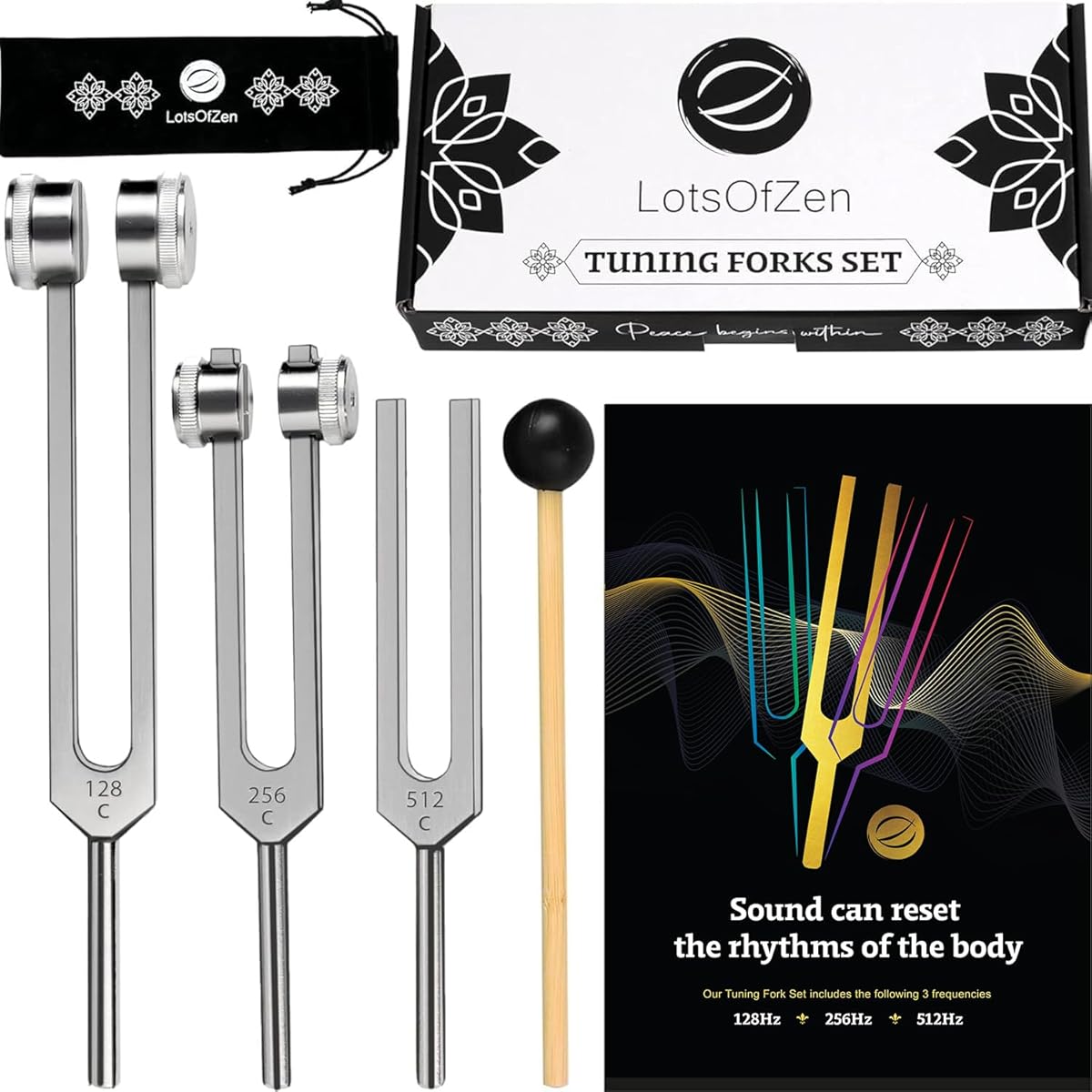
When evaluating this specific 128Hz, 256Hz, 512Hz tuning fork set, buyers should understand that these frequencies correspond to fundamental healing applications: 128Hz for grounding and chakra work, 256Hz for cellular resonance, and 512Hz for mental clarity. This particular combination represents a foundational set for beginners exploring sound therapy, rather than specialized frequencies for advanced practitioners.
Key Considerations Before Buying
- The 128Hz frequency in this set is particularly valuable for bodywork applications, as it produces longer-lasting vibrations that can be felt physically, making it ideal for beginners learning to sense vibrational energy.
- Consider whether you need weighted versus unweighted forks—this set appears to include standard unweighted forks based on the frequency specifications, which are better for precise pitch but require more skill to activate effectively.
- The inclusion of 512Hz creates an octave relationship with 256Hz, allowing for harmonic work and interval training that's essential for developing ear training in sound therapy practice.
What Our Analysts Recommend
Quality tuning forks should maintain consistent pitch when struck, with no audible buzzing or rattling sounds during vibration. The specific alloy composition (typically aluminum or aluminum alloy for healing forks) affects both durability and tonal quality—look for smooth, rounded edges on the tines to prevent discomfort during body application.
Sound Therapy Market Context
Market Overview
The sound therapy tools market has expanded significantly, with tuning forks becoming increasingly popular as accessible entry points into vibrational medicine. Unlike singing bowls or gongs, tuning forks offer precise frequency control, making them particularly appealing to yoga instructors, meditation guides, and alternative health practitioners seeking measurable therapeutic applications.
Common Issues
Many entry-level tuning fork sets suffer from inconsistent manufacturing that affects pitch accuracy, with some cheaper sets deviating by several hertz from their labeled frequencies. Another frequent complaint involves poorly designed rubber activators that dampen vibration or handles that become uncomfortable during extended meditation sessions.
Quality Indicators
Authentic healing tuning forks should include frequency certification or calibration documentation, though this is rare in consumer-grade sets. More reliable indicators include consistent vibration duration (quality forks sustain tone for 15-30 seconds) and balanced weight distribution between tines and stems for comfortable handling during therapeutic applications.
Review Authenticity Insights
Grade B Interpretation
The Grade B authenticity rating with 10% estimated fake reviews suggests this product's feedback is generally reliable but requires careful reading. For a niche product like tuning forks, even a small percentage of inauthentic reviews could skew perceptions about specific therapeutic outcomes or durability claims.
Trust Recommendation
Focus on reviews that discuss specific applications of the 128Hz, 256Hz, and 512Hz frequencies separately, as genuine users typically describe distinct experiences with each fork. Be particularly skeptical of reviews making exaggerated medical claims about these specific frequencies, as sound therapy results are highly individual.
Tips for Reading Reviews
Prioritize reviews that mention using the forks with specific modalities (like Reiki, acupuncture points, or chakra work) or that compare the vibration quality to other tuning forks they've owned. Look for discussions about the included activator's effectiveness and whether the carrying case adequately protects the forks from damage during transport.
Expert Perspective
With an adjusted 4.60/5 rating from verified purchases, this tuning fork set appears to deliver solid value within the entry-level sound therapy market. The specific frequency combination suggests thoughtful curation for beginners, though advanced practitioners might find the set limited without additional frequencies like 64Hz or 1024Hz. The high rating despite the authenticity adjustment indicates genuine satisfaction with core functionality rather than manipulated hype.
Purchase Considerations
Weigh whether you need all three frequencies or would benefit more from a different combination—some practitioners prefer starting with just 128Hz and 256Hz for foundational work. Consider how you'll use them: the 512Hz fork excels in meditation settings but may be less useful for physical therapy applications compared to lower frequencies.
Comparing Alternatives
Shoppers should compare this set's frequency combination and materials against similar-priced options, particularly noting whether competitors include weighted forks or additional accessories like frequency charts.


