
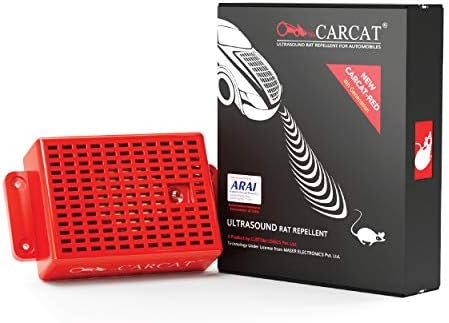
Evaluating ultrasonic car rat repellents: What the 94% efficacy claim really means
The CARCAT 4th Generation device represents a specific approach to automotive pest control using high-frequency sound waves. Buyers should understand that 'ultrasonic' technology for vehicles differs significantly from home units, requiring specific waterproofing and installation considerations for engine compartments.
Key Considerations Before Buying
- The 94% efficacy claim requires scrutiny—ultrasonic repellents work best as deterrents rather than elimination tools, and effectiveness varies by rodent species and vehicle environment.
- Waterproof construction is essential for automotive use, as engine compartments experience moisture, heat, and vibration that home ultrasonic devices don't face.
- Fourth-generation technology suggests iterative improvements, but consumers should verify what specific enhancements this model offers over previous versions.
What Our Analysts Recommend
Quality indicators include specific frequency range disclosures (typically 25-65 kHz for rodents), proper IP waterproof ratings for automotive use, and clear installation instructions for optimal transducer positioning. Genuine products should detail how sound waves propagate within confined engine spaces.
Ultrasonic Pest Repellents Market Context
Market Overview
The automotive ultrasonic repellent market has expanded with increasing rodent damage claims, particularly in regions with specific pest populations. Indian-made devices like CARCAT often compete with Chinese-manufactured alternatives on price points.
Common Issues
Most complaints center on inconsistent results—rodents may habituate to ultrasonic frequencies, or sound may be blocked by engine components. Many users misunderstand that these are prevention devices, not solutions for existing infestations.
Quality Indicators
Superior products specify dB output levels, include multiple frequency cycling to prevent habituation, and provide transparent testing methodologies for their efficacy claims. Look for devices designed specifically for automotive vibration resistance.
Review Authenticity Insights
Grade D Interpretation
A Grade D with 42% estimated fake reviews indicates significant review manipulation—the adjusted 3.40 rating versus the displayed 4.33 suggests inflated positive feedback. This discrepancy is particularly concerning for a product claiming precise efficacy percentages.
Trust Recommendation
Focus on verified purchase reviews from users in similar climates and vehicle types, and prioritize reviews discussing specific installation experiences over generic praise. Be skeptical of reviews that mirror marketing language about '94% efficacy' without personal verification.
Tips for Reading Reviews
Search for reviews mentioning long-term use (3+ months), different vehicle types, and geographic locations with known rodent issues. Pay special attention to critical reviews discussing installation challenges or durability concerns in engine compartments.
Expert Perspective
The CARCAT device presents typical challenges for ultrasonic automotive repellents: promising technology with questionable verification. The significant gap between displayed and adjusted ratings suggests the product may not perform as consistently as the reviews indicate. The '4th Generation' labeling and specific color (cream) suggest product iterations, but without transparent changelogs, it's difficult to assess actual improvements. The Made in India designation may appeal to regional buyers seeking locally manufactured solutions.
Purchase Considerations
Weigh the cost against potential wiring repair bills from rodent damage, but understand this is a preventive measure with variable results. Consider your specific rodent issues—ultrasonic devices work better for deterrence than eliminating established nesting. The waterproof claim is crucial for automotive applications but requires verification through user experiences in wet conditions.
Comparing Alternatives
Compare with devices offering different frequency patterns, physical installation advantages, or combined ultrasonic/electromagnetic technologies before deciding.


