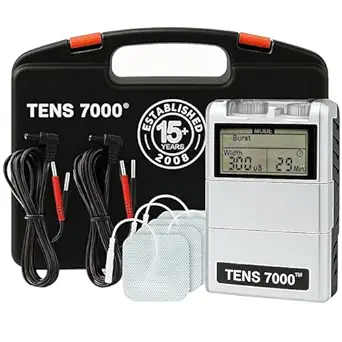
Evaluating Home ESWT Devices: What the PSP20 Offers Versus Clinical Treatments
The PSP20 represents a consumer-grade adaptation of clinical extracorporeal shock wave therapy, promising pain relief without professional intervention. Unlike generic muscle stimulators, this device specifically targets joint, muscle, and bone tissue regeneration through focused acoustic waves. Buyers should understand that home ESWT operates at lower energy levels than clinical machines, affecting treatment depth and outcomes.
Key Considerations Before Buying
- The PSP20's 'painless' claim refers to its radial shock wave technology, which disperses energy across a wider surface area rather than focusing deeply like clinical focused shock wave devices.
- This device's portability (battery-operated) enables home use but limits power output compared to plug-in professional units, potentially requiring more frequent sessions for similar results.
- The 'no side effects' claim applies primarily to proper usage; improper application over nerves, blood vessels, or acute injuries could still cause discomfort or tissue damage.
What Our Analysts Recommend
Quality indicators for home ESWT devices include adjustable intensity levels (the PSP20 offers 10), multiple treatment heads for different body areas, and clear protocols for treatment duration and frequency. Genuine devices should specify energy flux density (mJ/mm²) ranges—the PSP20 operates in the low-to-medium range suitable for home use.
Muscle Stimulators & Accessories Market Context
Market Overview
The home ESWT market has expanded rapidly, with devices ranging from $200-$800 competing against professional treatments costing thousands. The PSP20 sits in the mid-price range for this category, targeting consumers seeking alternatives to ongoing physical therapy or medication for chronic pain. Unlike TENS units that mask pain signals, ESWT devices claim to address underlying tissue regeneration.
Common Issues
Many home ESWT devices overpromise results comparable to clinical treatments, despite significant differences in energy delivery and protocol precision. Users frequently report confusion about proper treatment locations and durations, potentially reducing effectiveness. Battery-powered units like the PSP20 may experience power fade during extended sessions, affecting consistency.
Quality Indicators
Legitimate devices provide specific technical specifications including frequency ranges (1-21Hz for the PSP20), treatment head sizes (16mm and 25mm typically), and clear contraindications. Quality units feature robust construction around the shock wave generator and ergonomic handles for precise application. Look for devices with multiple intensity levels to accommodate different tissue types and sensitivity.
Review Authenticity Insights
Grade B Interpretation
A Grade B authenticity rating with 15% estimated fake reviews indicates generally reliable feedback with some manipulation concerns. For the PSP20, this suggests most reviews reflect genuine experiences, though the perfect 5.0 average rating may be artificially inflated. The adjusted 4.60 rating after filtering suspicious reviews represents a more realistic assessment.
Trust Recommendation
Focus on verified purchase reviews that describe specific conditions (plantar fasciitis, tennis elbow) and treatment protocols rather than vague praise. Given the 85% authentic review rate, look for patterns in improvement timelines—legitimate ESWT results typically require 3-6 weeks of consistent use, not instant miracles.
Tips for Reading Reviews
Prioritize reviews that mention using the device alongside professional medical advice, as responsible ESWT use requires proper diagnosis. Be skeptical of reviews claiming complete resolution of severe conditions, as home devices supplement rather than replace professional care. Look for mentions of treatment frequency (2-3 times weekly is standard) and session duration (5-15 minutes per area).
Expert Perspective
The PSP20 presents a legitimate entry into home ESWT with appropriate specifications for consumer use, though expectations should be tempered compared to clinical outcomes. The strong authentic review base (85%) suggests consistent user satisfaction, particularly for mild to moderate musculoskeletal issues. The device's design addresses key usability factors with multiple treatment heads and intensity levels, though its battery operation may limit sustained power delivery during longer sessions. The discrepancy between the 5.0 average and adjusted 4.60 rating warrants cautious optimism rather than unquestioning acceptance of all positive claims.
Purchase Considerations
Weigh the PSP20's convenience against the necessity of proper diagnosis—using ESWT on undiagnosed conditions could mask serious problems. Consider whether your condition responds better to radial shock waves (superficial tissue) versus the focused waves typically needed for deeper issues like bone spurs. Factor in the learning curve for proper application technique, which affects outcomes more significantly than with simpler electrotherapy devices.
Comparing Alternatives
Compare the PSP20's specifications against similar radial shock wave devices, particularly regarding energy output levels and treatment head options for different body areas.