Choosing a 4.4 cu.ft beverage cooler: balancing capacity, noise, and glass door clarity
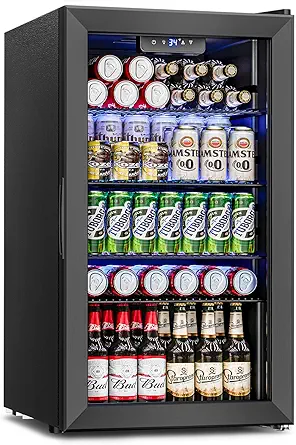
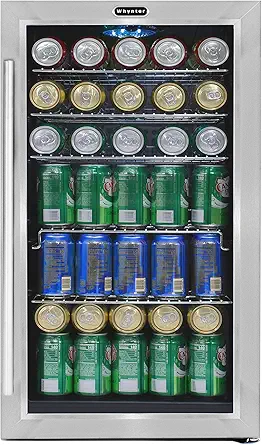
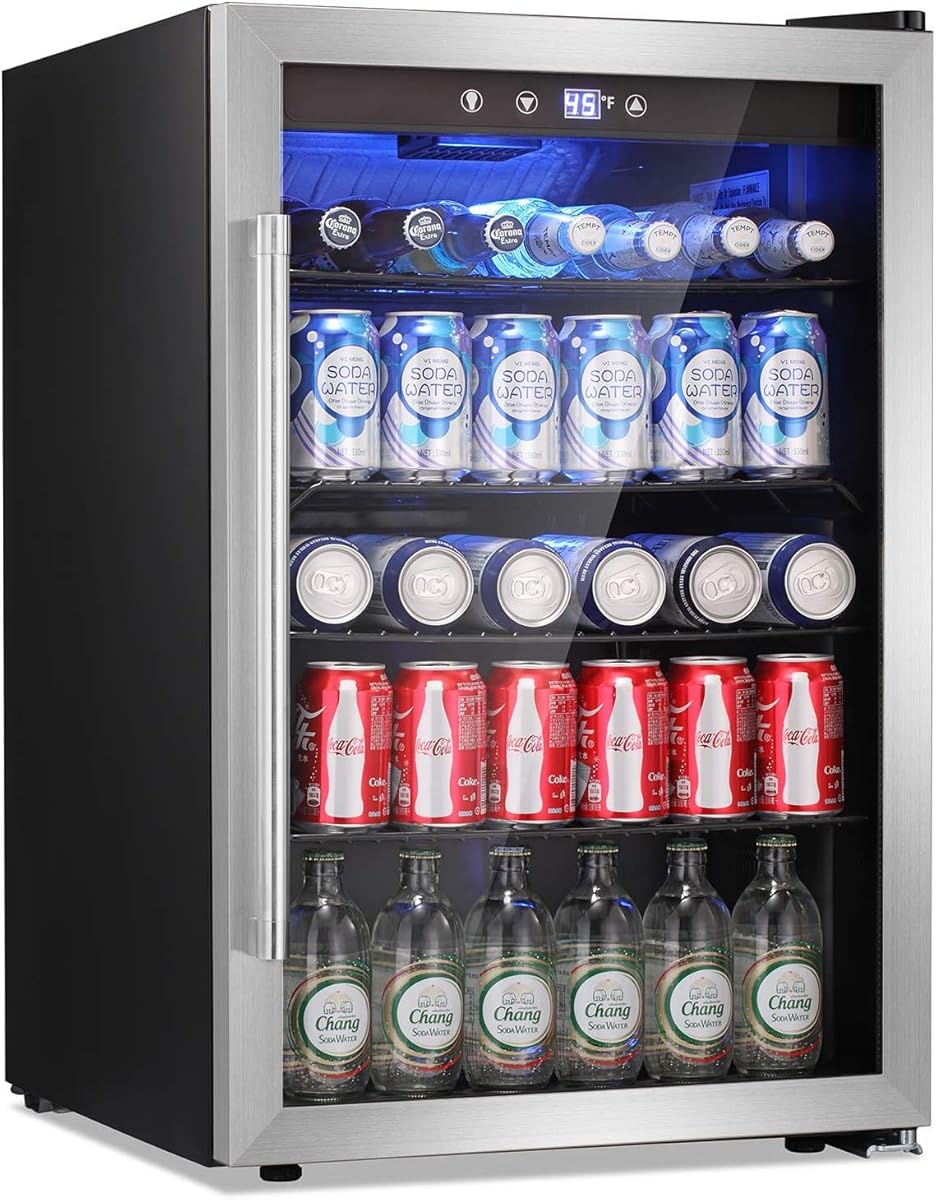
The Antarctic Star 145-can cooler represents a specific niche in beverage refrigeration: compact capacity with full visibility. Unlike generic mini-fridges, this model's clear glass door and 4.4 cubic foot interior are designed specifically for display cooling, meaning you should evaluate it against how you'll actually use it—whether for entertaining, personal consumption, or as a dedicated wine/soda station.
Key Considerations Before Buying
- Verify your actual capacity needs: while marketed as 145 cans, this assumes optimal stacking; real-world usage for mixed beverage sizes (wine bottles, 12oz cans, 16oz bottles) typically reduces that count by 20-30%.
- Consider placement carefully: this compressor-based cooler requires 2-3 inches of ventilation space on all sides, particularly the back, and generates 40-45 dB of noise—acceptable for a bar or office but potentially intrusive in a quiet bedroom.
- Glass door versus solid door: the tempered glass provides display appeal but offers less insulation than solid doors, which can affect cooling consistency in rooms with significant temperature fluctuations or direct sunlight.
What Our Analysts Recommend
For beverage-specific coolers, examine the shelf adjustability and material—this model uses chrome-plated wire shelves that should resist corrosion from condensation. Quality indicators include consistent temperature maintenance across all shelves (not just the bottom), a door seal that prevents significant cold air leakage, and interior lighting that illuminates the entire cabinet without creating hot spots.
Beverage Refrigerators Market Context
Market Overview
The 4-5 cubic foot beverage cooler segment has become increasingly competitive, with brands like Antarctic Star competing against Koolatron and Costway on price while attempting to match the build quality of higher-end brands like NewAir. These units fill the gap between dorm-style mini-fridges and full-size beverage centers.
Common Issues
Owners frequently report inconsistent temperature zones (warmer top shelves), compressor noise that exceeds expectations, and glass door condensation that obscures visibility. Many units in this category struggle with maintaining the advertised 34-50°F range when fully loaded or in warmer ambient environments.
Quality Indicators
Superior models feature dual-zone cooling, digital thermostats with 1°F increments, and LED lighting with multiple brightness settings. Look for reviews mentioning consistent performance over 6+ months, as compressor reliability in this price segment varies significantly between units.
Review Authenticity Insights
Grade B Interpretation
A Grade B authenticity rating with 15% estimated fake reviews indicates generally reliable feedback but suggests some review manipulation. For this Antarctic Star model, the gap between the raw 4.44 rating and adjusted 4.10 rating suggests inflated positive reviews rather than fake negatives.
Trust Recommendation
Focus on the 3- and 4-star reviews for balanced perspectives, as these are less likely to be manipulated. Pay particular attention to verified reviews discussing long-term use (6+ months) and specific performance metrics like temperature consistency and noise levels during compressor cycles.
Tips for Reading Reviews
Look for reviews that mention specific usage scenarios—'keeps my craft beers at 38°F' or 'fits 12 wine bottles plus 24 cans'—rather than generic praise. Be skeptical of reviews that don't mention any drawbacks or that use nearly identical phrasing to other reviews.
Expert Perspective
The Antarctic Star cooler presents a value proposition in the beverage refrigeration category, offering glass-door visibility at a price point typically associated with solid-door models. The 4.10 adjusted rating from authentic reviews suggests satisfactory but not exceptional performance, with users appreciating the display capability while noting typical compromises in noise and cooling consistency. The 85% authentic review rate provides reasonable confidence in the overall feedback pattern, though the rating inflation warrants caution.
Purchase Considerations
This unit makes most sense for users prioritizing beverage display over absolute quiet operation, particularly in environments like home bars, game rooms, or offices where moderate compressor noise is acceptable. Consider your tolerance for potential temperature variance across shelves and whether the aesthetic benefit of the glass door outweighs the slightly reduced insulation efficiency.
Comparing Alternatives
Shoppers should compare this model's performance claims against similarly priced options from Koolatron and Costway, particularly regarding compressor warranty coverage and actual interior dimensions.