Choosing a MicroSD Card for 4K Action Cameras: Speed Class and Endurance Matter
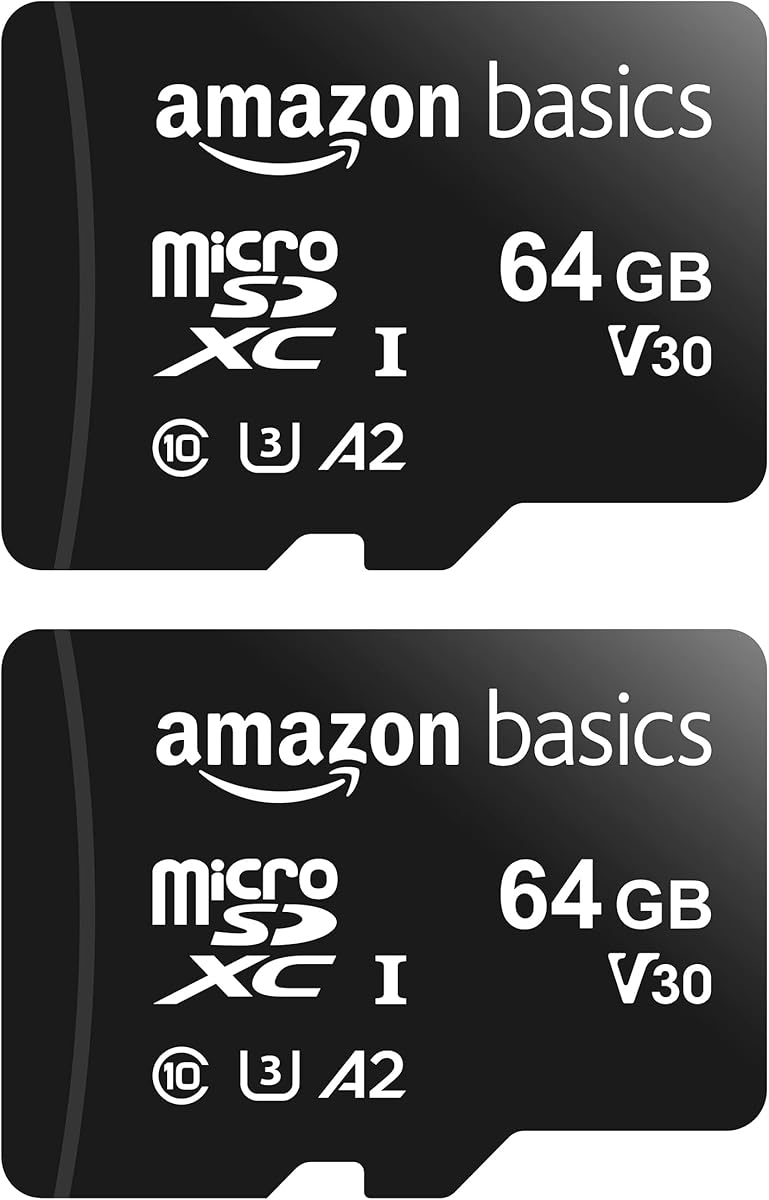
When selecting a MicroSD card for demanding devices like GoPro cameras, the technical specifications listed on this Amazon Basics card—A2, U3, V30—are critical for performance. These ratings directly impact your ability to record smooth 4K video without dropped frames or corruption. The included full-size adapter adds versatility, but the card's sustained write speed is the key metric for action camera use.
Key Considerations Before Buying
- The V30 Video Speed Class is essential for 4K recording, guaranteeing a minimum sustained write speed of 30MB/s, which this card claims to meet.
- The A2 Application Performance Class indicates faster loading times for apps run directly from the card, a feature more relevant for smartphones than action cameras.
- A two-pack offers value but requires verifying both cards perform identically; inconsistencies in budget multi-packs are a known industry issue.
What Our Analysts Recommend
Prioritize cards that explicitly list both read and sustained write speeds, not just maximum read. For GoPro and similar cameras, a card with a V30 or V60 rating from a reputable brand that specializes in flash memory often provides more reliable long-term performance than a generalist house brand. Check for warranty length and support policies, as they indicate confidence in product endurance.
Micro SD Cards Market Context
Market Overview
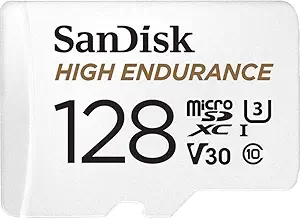
The MicroSD market is saturated with options ranging from specialist brands like SanDisk Extreme and Samsung Pro Plus to value-focused house brands like Amazon Basics. Performance claims, especially around 'up to' speeds, are frequently inflated, and real-world performance can vary significantly from lab tests. The 64GB capacity is a popular sweet spot for 4K recording, balancing cost and usable storage.
Common Issues
Common problems include cards failing prematurely under the constant write cycles of video recording, advertised maximum speeds not being achievable in sustained use, and counterfeit cards being sold as genuine, leading to data loss. Inexpensive cards often use lower-grade NAND flash, which may have shorter lifespans and slower write speeds as the card fills up.
Quality Indicators
Look for consistent branding and detailed specification lists on both packaging and the card itself. Reputable manufacturers provide proprietary software for validation and formatting. A higher price point within a speed class often correlates with better controllers and more durable memory chips, which handle heat and constant rewriting better.
Review Authenticity Insights
Grade C Interpretation
A 'C' authenticity grade and a 28% estimated fake review rate suggest a significant portion of the overwhelmingly positive feedback may be inauthentic. This discrepancy between the raw 4.87/5 rating and the adjusted 4.20/5 is a major red flag, indicating potential review manipulation to bolster the product's perceived value.
Trust Recommendation
Be highly skeptical of the 5-star reviews. Focus your analysis on the detailed 3 and 4-star reviews, and specifically search for reviews mentioning long-term reliability over several months of use. The adjusted 4.20 rating is a more realistic benchmark for this product's performance against its claims.
Tips for Reading Reviews
Filter reviews to show only those with verified purchases and look for critical reviews that mention specific, technical shortcomings like actual write speeds, failure modes, or compatibility issues with specific camera models. Reviews discussing use over 6+ months are more valuable than first-impression testimonials.
Expert Perspective
The Amazon Basics card presents a value proposition with its competitive specs (U3, V30, A2) and two-pack offering. However, the concerning authenticity grade and high fake review percentage undermine confidence in the stellar user ratings. While the specifications are suitable for 4K GoPro use on paper, the long-term durability and consistency of performance compared to established photography-focused brands remain open questions. The significant gap between the posted and adjusted ratings is a critical data point consumers should not ignore.
Purchase Considerations
Weigh the cost savings against the potential risk of data loss and the card's unknown longevity under heavy video workloads. If your primary use is critical footage, investing in a card from a brand with a proven track record in the imaging sector may be worth the premium. For less critical, intermittent use, this card's specs are adequate if you maintain rigorous backup habits.
Comparing Alternatives
Shoppers should compare this card's price and specs directly against offerings from SanDisk (Extreme series), Samsung (EVO Select/Plus), and Lexar to assess the true value proposition.