Choosing pull-up assistance bands: Key factors for safe, effective strength progression
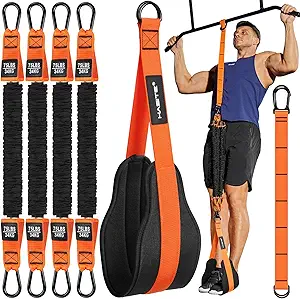
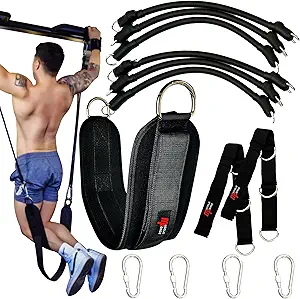
The Innstar Pull Up Assistance Bands offer a specific solution for building upper body strength through assisted pull-ups, featuring three distinct resistance levels and fabric foot/knee rests. Unlike generic resistance bands, these are engineered specifically for pull-up bars with reinforced anchor points and adjustable sizing to accommodate different body types and strength levels. Buyers should understand that proper band selection directly impacts injury prevention and progressive overload training.
Key Considerations Before Buying
- Band material durability matters: The Innstar's heavy-duty latex construction must withstand repeated stretching without developing micro-tears that compromise safety during overhead movements.
- Anchor point security is critical: These bands feature specialized fabric loops designed to securely attach to pull-up bars without slipping, a failure point in many cheaper alternatives.
- Progressive resistance planning: With three bands offering different assistance levels (likely 15-50lb, 30-80lb, and 50-120lb equivalents), consider your current max reps and target progression timeline.
What Our Analysts Recommend
Quality pull-up assistance bands should have reinforced stitching at stress points, consistent thickness throughout the band length, and non-slip surface texture. The fabric foot/knee rests should be double-stitched with durable nylon webbing that distributes pressure evenly during use. Check that the bands maintain consistent resistance through full range of motion without sudden tension drops.
Resistance Bands Market Context
Market Overview
The pull-up assistance band market has expanded significantly as home gyms proliferate, with products ranging from basic latex loops to sophisticated systems with multiple attachment points. Current offerings increasingly incorporate fabric components for comfort during knee or foot placement, addressing a common complaint about pure latex bands digging into skin during extended sets.
Common Issues
Many assistance bands suffer from inconsistent resistance curves, where tension spikes unexpectedly during the movement's concentric phase. Fabric components often fail at stitching points after repeated loading, while cheaper latex formulations develop permanent deformation or 'memory' that reduces effectiveness over time.
Quality Indicators
Superior bands use layered latex construction rather than single-ply material, feature bar attachments wider than 2 inches to prevent rolling, and include clear resistance labeling. Look for bands that maintain their cylindrical shape when unstretched rather than flattening, indicating proper manufacturing and material quality.
Review Authenticity Insights
Grade B Interpretation
The Grade B authenticity rating with 10% estimated fake reviews indicates generally reliable feedback with moderate scrutiny needed. For this specific product, the 4.40 adjusted rating (down from 4.67) suggests genuine satisfaction slightly exceeds typical marketing inflation, though some reviews may overemphasize minor features.
Trust Recommendation
Focus on reviews discussing long-term durability (6+ months of use) and specific performance metrics like band consistency across multiple workouts. Verified purchase reviews mentioning the fabric rests' comfort during high-rep sets or the bands' performance on different bar diameters provide particularly valuable insights.
Tips for Reading Reviews
Prioritize reviews that mention actual weight equivalents ('this green band feels like 40lbs of assistance') over vague praise. Look for discussions about band storage practices and resistance consistency after multiple uses, as these reveal material quality beyond initial impressions.
Expert Perspective
The Innstar bands present a compelling option based on the 4.40 adjusted rating from verified purchasers, suggesting they deliver on core functionality. The inclusion of fabric foot/knee rests addresses a significant comfort issue in pure latex bands, while three resistance levels provide proper progression for most intermediate trainees. The heavy-duty designation and specific pull-up bar compatibility indicate targeted engineering rather than repurposed general resistance bands.
Purchase Considerations
Consider your current pull-up capacity: if you can perform 0-2 unassisted pull-ups, you'll need all three bands for progression; if you manage 3-5, the two lighter bands may suffice. Evaluate your pull-up bar diameter, as bands with narrow loops may not secure properly on thicker bars. The fabric components, while comfortable, require inspection for wear more frequently than pure latex sections.
Comparing Alternatives
Compare band thickness measurements and latex composition with competitors like Rogue Fitness or Serious Steel, as material density directly affects resistance consistency and longevity.