When to Choose a 3-Foot Cat8 Cable Over Standard Cat6 for High-Speed Networking
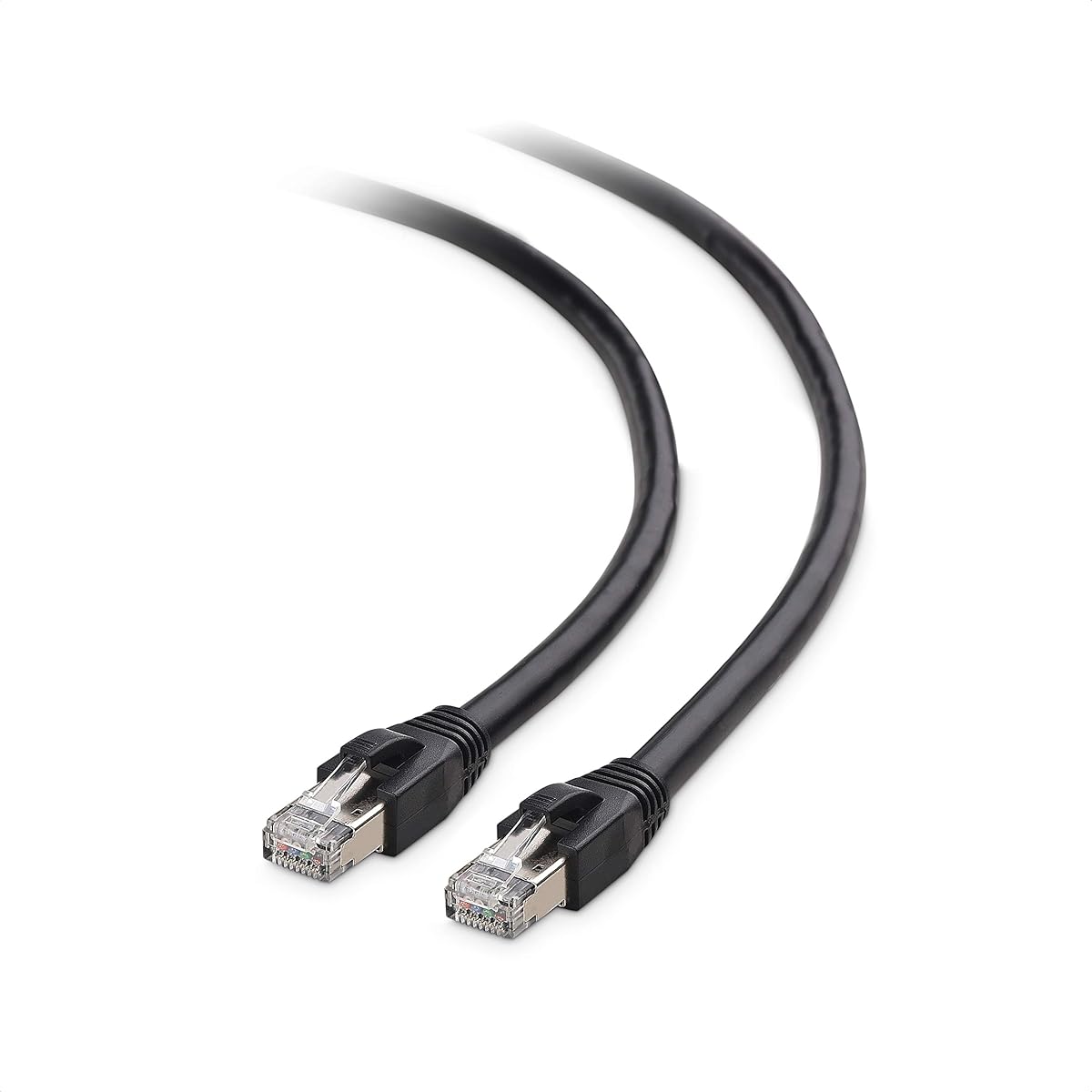
The Cable Matters 40Gbps Short Cat8 Ethernet Cable represents a specialized solution for specific high-performance scenarios, not a general-purpose networking upgrade. This S/FTP (Shielded/Foiled Twisted Pair) Cat8 cord delivers 40Gbps bandwidth up to 30 meters, but its 3-foot length indicates targeted use cases rather than whole-home wiring. Buyers should understand that Cat8's primary advantage over Cat6 is future-proofing for multi-gigabit networks and superior interference rejection in dense electronic environments.
Key Considerations Before Buying
- This 3-foot length is ideal for connecting adjacent equipment like gaming PCs to routers, NAS devices to switches, or workstations to docking stations where maximum throughput matters most.
- The S/FTP shielding (individual pair foil plus overall braid shield) provides superior EMI/RFI protection compared to standard UTP Cat6 cables, crucial in environments with many wireless devices or power cables.
- Cat8's 2000MHz frequency rating versus Cat6's 250MHz enables dramatically higher data rates but requires compatible 40GbE ports on both connected devices to realize the full benefit.
What Our Analysts Recommend
For Cat8 cables, examine the connector quality—gold-plated contacts should be deeply recessed in robust RJ45 heads that withstand repeated insertions. The cable jacket should be thick yet flexible, with clear Cat8/S/FTP markings and AWG specification (typically 24AWG for solid performance). Quality Cat8 cables maintain their 40Gbps rating through proper termination that preserves the shielding integrity at both ends.
Cat 6 Cables Market Context
Market Overview
The Ethernet cable market currently sees Cat6 and Cat6a dominating mainstream installations, while Cat8 occupies a premium niche for data centers, prosumers, and future-proofing enthusiasts. Short-length Cat8 cables like this 3-foot option cater specifically to point-to-point high-speed connections rather than structured wiring, with prices reflecting the enhanced materials and manufacturing precision required for 40Gbps certification.
Common Issues
Many buyers mistakenly purchase Cat8 cables expecting automatic speed increases without compatible network hardware, resulting in wasted investment. Another frequent issue involves poor shielding implementation that creates stiff, difficult-to-route cables or connectors that fail to maintain ground continuity, negating the interference protection benefits. Some budget Cat8 cables use thinner conductors that can't sustain 40Gbps speeds across their rated distance.
Quality Indicators
Genuine Cat8 cables should carry independent certification from organizations like UL or ETL, not just manufacturer claims. High-quality examples feature strain relief boots that protect the cable-to-connector junction and maintain shielding continuity. The cable should feel substantial but not rigid, with consistent thickness and no visible conductor through the semi-transparent jacket material common in premium networking cables.
Review Authenticity Insights
Grade B Interpretation
The Grade B authenticity rating with 10% estimated fake reviews indicates this product's feedback is largely reliable but requires careful reading. This grade suggests most reviews reflect genuine experiences, though approximately 1 in 10 may be artificially positive or incentivized. The adjusted rating of 4.60/5 (down from 4.89/5) represents a more realistic assessment after removing suspicious evaluations.
Trust Recommendation
Focus on reviews that mention specific use cases like connecting a PlayStation 5 to a 2.5GbE router, linking a Thunderbolt dock to a NAS, or reducing latency in competitive gaming setups—these demonstrate actual application knowledge. Be skeptical of reviews claiming dramatic speed increases on standard gigabit equipment, as Cat8 cannot exceed the port limitations of connected devices.
Tips for Reading Reviews
Look for reviews that discuss installation details like connector fit in recessed ports, flexibility in tight spaces, or temperature performance during extended transfers. Authentic reviews often compare this specific 3-foot Cat8 cable to longer alternatives or different categories (Cat6/Cat7) for the same application, providing context about why this particular length and specification was chosen.
Expert Perspective
The Cable Matters 3-foot Cat8 cable represents a well-executed specialized product that delivers on its specifications for users with specific high-bandwidth needs. Its 4.60/5 adjusted rating from largely authentic reviews suggests consistent satisfaction among buyers who understand its purpose. The S/FTP construction and 40Gbps rating provide legitimate technical advantages over standard Cat6 cables, but only when paired with compatible hardware that can utilize the increased bandwidth. This product excels in its niche but shouldn't be viewed as a universal upgrade.
Purchase Considerations
Only consider this cable if you have equipment with 10GbE, 25GbE, or 40GbE ports and need maximum throughput over very short distances. The 3-foot length makes it unsuitable for most home or office wiring but perfect for connecting adjacent high-performance devices. Evaluate whether your current network hardware justifies the premium over Cat6a cables, which support 10Gbps up to 100 meters at lower cost.
Comparing Alternatives
Shoppers should compare this against shorter Cat6a cables if they only need 10Gbps speeds, or consider longer Cat8 options if their equipment spacing exceeds 3 feet but remains under 30 meters.