
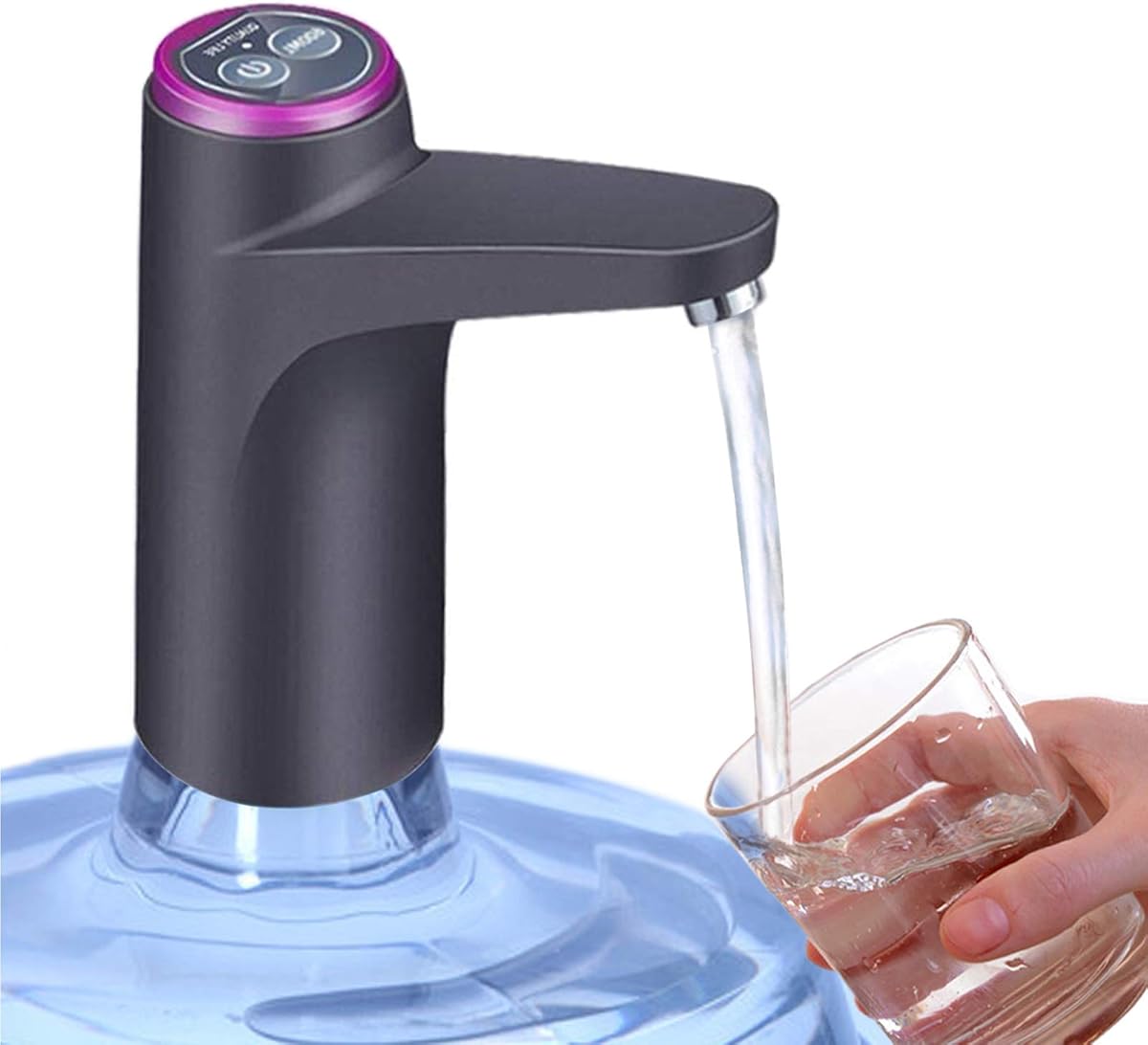
Choosing a Bottle Pump: Manual vs. Electric and What Matters Most
When selecting a 5-gallon water bottle pump, you're choosing between manual hand pumps and electric dispensers that require power. This specific product category involves balancing convenience against reliability, with key differences in pumping mechanisms, battery life for electric models, and compatibility with standard 5-gallon jug necks. Unlike countertop dispensers with cooling systems, bottle pumps focus purely on water extraction.
Key Considerations Before Buying
- Pumping mechanism efficiency: Manual pumps require physical effort but have no power dependency, while electric pumps offer one-touch dispensing but need batteries or USB charging.
- Spout design and flow control: Look for pumps with adjustable flow rates and drip-free spouts to prevent splashing when filling glasses or narrow-mouth containers.
- Bottle compatibility and stability: Ensure the pump fits standard 5-gallon jug openings securely and has a wide base to prevent tipping during use.
What Our Analysts Recommend
Quality bottle pumps feature food-grade silicone seals to prevent leaks and BPA-free plastic construction. For electric models, check battery life claims—better units offer 2-3 months of regular use per charge. Manual pumps should have smooth, non-sticking piston action that doesn't require excessive force to operate.
Hot & Cold Water Dispensers Market Context
Market Overview
The 5-gallon bottle pump market has expanded beyond basic manual pumps to include USB-rechargeable electric models with LED indicators and automatic shut-off features. Most products now target both home and office use, with designs optimized for placement on countertops or refrigerators. The category competes directly with traditional water cooler dispensers but at a fraction of the cost and footprint.
Common Issues
Leakage around the pump seal is the most frequent complaint, often caused by improper installation or worn gaskets. Electric models sometimes suffer from motor failure after several months, while manual pumps can develop sticking mechanisms. Battery life claims for electric pumps frequently overstate actual performance, particularly with frequent use.
Quality Indicators
Superior pumps use weighted bases for stability and transparent battery compartments in electric models to monitor corrosion. Look for products mentioning specific battery capacities (like 2000mAh) rather than vague 'long-life' claims. Manual pumps with ergonomic handles and smooth piston action typically outperform cheaper alternatives with stiff mechanisms.
Review Authenticity Insights
Grade B Interpretation
A Grade B authenticity rating with 10% estimated fake reviews indicates generally trustworthy feedback but suggests some review manipulation exists. For this product, the 4.60 adjusted rating (down from 4.89) reflects this adjustment, making it more reliable than the raw average suggests. The verified purchase status of all reviews significantly boosts credibility.
Trust Recommendation
Focus on reviews discussing specific usage scenarios like 'used daily in my office for 3 months' rather than generic praise. Since 90% of reviews show authentic characteristics, look for patterns in the critical 1-3 star reviews—they're likely genuine and reveal real limitations. The high number of reviews (21,686) provides substantial data points for informed decisions.
Tips for Reading Reviews
Prioritize reviews mentioning long-term use (3+ months) to assess durability, particularly for electric models' battery life. Look for photos showing the pump in actual use settings, as these typically accompany genuine experiences. Pay attention to reviews discussing specific bottle brands (like Primo or Crystal Springs) to gauge compatibility issues.
Expert Perspective
With an adjusted 4.60 rating from over 21,000 verified reviews, this product performs well in its category, though the authenticity analysis suggests some review inflation. The high rating indicates reliable functionality for most users, but the 10% fake review rate means shoppers should critically evaluate glowing reviews without specifics. The product's success likely stems from addressing core needs—reliable water extraction without countertop space commitment—rather than advanced features.
Purchase Considerations
Consider your usage frequency: manual pumps suit occasional use, while electric models justify their higher cost for daily dispensing. Evaluate your power access—electric pumps need charging, creating downtime. Assess bottle handling: pumps work best if you can lift 5-gallon jugs (40+ pounds) onto counters. The product excels as a space-saving alternative to traditional water coolers but lacks cooling/heating functions.
Comparing Alternatives
Compare with similar pumps offering different power options (battery vs. USB), and consider manual versus electric based on your physical capabilities and convenience preferences.


