
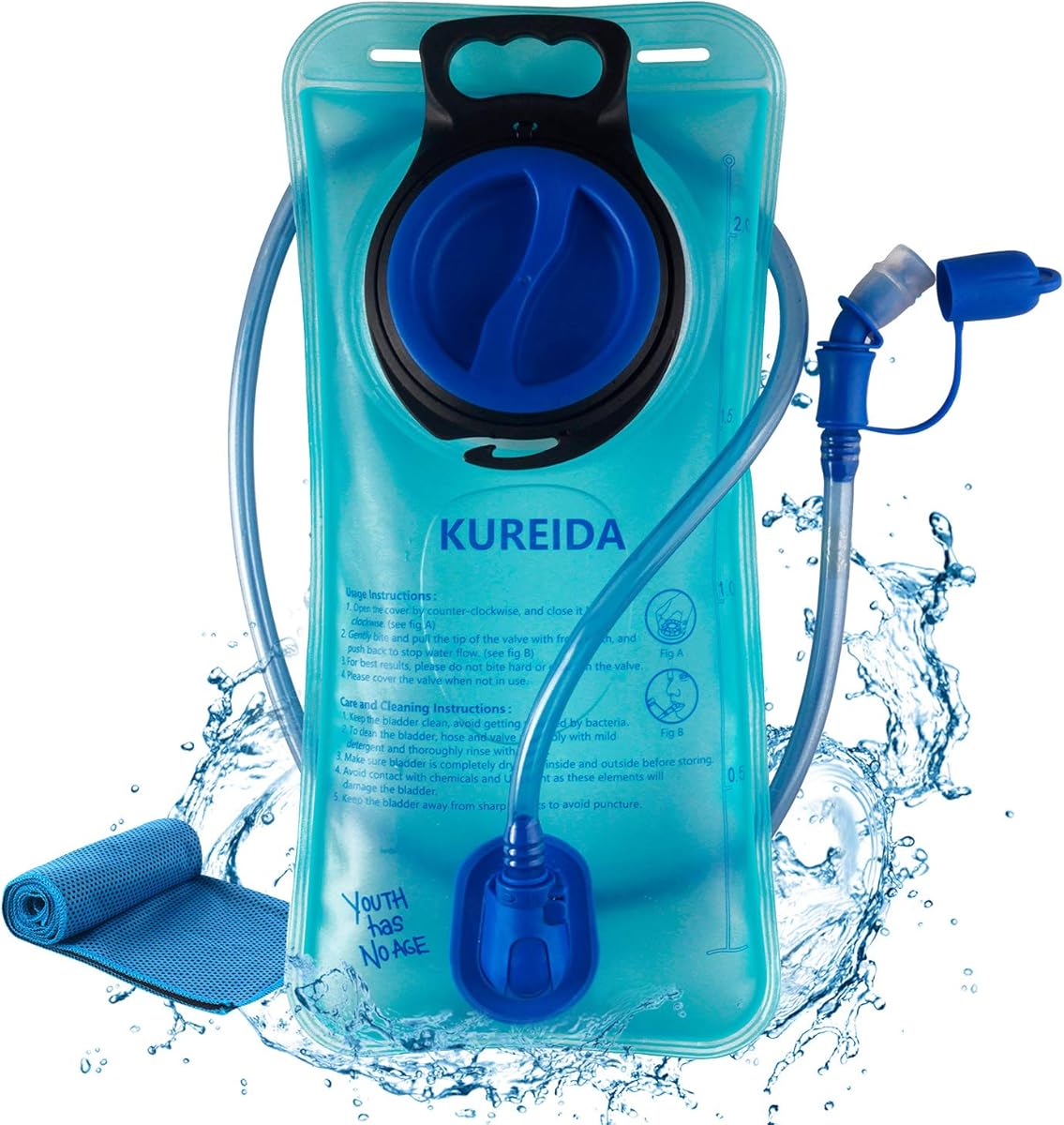
Choosing a 2L Hydration Bladder: Leak Resistance, Cleaning Access, and Material Safety
When evaluating this specific 2-liter BPA-free reservoir, focus on its advertised 'military' durability and wide opening design. These features directly impact long-term reliability and ease of maintenance, which are critical for activities like biking and climbing where hands-free hydration is essential.
Key Considerations Before Buying
- The 'wide opening' is crucial for cleaning and adding ice, but verify its actual diameter and whether the closure mechanism maintains a reliable seal after repeated use.
- Assess the 'leak proof' claim by examining the bite valve design and hose connection points, as these are common failure areas in reservoirs used for high-movement activities like running.
- Consider compatibility: while marketed to 'combine with hydration backpacks,' check the specific dimensions and hanging system to ensure it fits your existing pack's sleeve.
What Our Analysts Recommend
For this product, quality indicators include a robust slide-lock or screw-top closure on the wide opening, a reinforced seam along the bladder's perimeter, and a bite valve with a positive shut-off mechanism. The hose should have a quick-disconnect feature for easy refills without removing the bladder from your pack.
Reservoirs & Bladders Market Context
Market Overview
The hydration bladder market is saturated with options, but true differentiation comes from material quality, sealing technology, and thoughtful design for specific sports. This product's positioning as a 'military' bladder suggests a focus on ruggedness over ultralight weight.
Common Issues
Typical failures include mold growth in inaccessible corners, hose connectors that crack under pressure, and bite valves that freeze in cold weather or leak when the pack is compressed. The wide opening on this model aims to address the cleaning challenge.
Quality Indicators
Superior bladders use taste-neutral TPU or food-grade PVC instead of basic plastics, feature welded rather than glued seams, and include an insulated hose sleeve. The presence of a dedicated drying hanger loop is another mark of considered design.
Review Authenticity Insights
Grade B Interpretation
A 'B' grade with a 15% estimated fake review rate indicates a generally trustworthy review pool, but suggests some incentivized or biased feedback may be present. The drop from a 4.25 to a 3.90 adjusted rating after filtering is notable and warrants attention.
Trust Recommendation
Prioritize reading the verified purchase reviews, particularly those with mid-range (3-4 star) ratings, as they often provide the most balanced assessments of durability and real-world performance issues like leakage over time.
Tips for Reading Reviews
Look for reviews that mention specific use cases like 'after 6 months of biking' or 'on a 3-day camping trip,' as these offer insights into long-term durability. Be skeptical of reviews that only praise packaging or delivery speed without detailing product function.
Expert Perspective
The data suggests this is a competent mid-market hydration bladder. The adjusted 3.90 rating, derived from authentic reviews, is a solid score in a category where perfect seals and flawless valves are challenging. The 'wide opening' is a significant functional advantage for hygiene, a common pain point with narrower fill ports. However, the rating discrepancy indicates some buyers experienced issues not reflected in the superficial average.
Purchase Considerations
Weigh the convenience of the wide opening against potential long-term seal integrity. If your primary activities are high-impact (like trail running), pay extra attention to reviews mentioning the hose connection and valve security. For casual hiking, this bladder's features likely suffice.
Comparing Alternatives
Shoppers should compare this model's closure mechanism and hose diameter directly against competitors like Osprey Hydraulics or CamelBak Crux reservoirs.


