
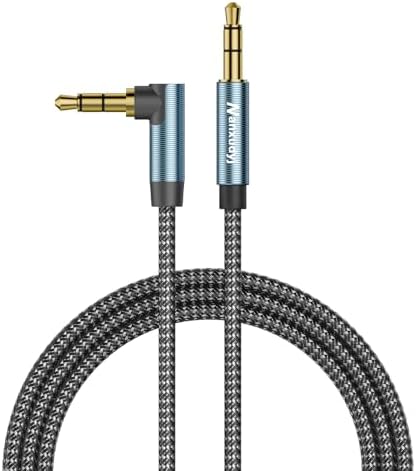
Choosing a 90-Degree Aux Cable: Why Connector Angle and Build Matter
This specific 3-foot cable with a right-angle 3.5mm connector is designed for tight spaces where a straight plug would protrude awkwardly or risk damage. The 24K gold plating on the TRS connectors aims to reduce corrosion and improve signal transfer, while the 3-foot length targets portable use between devices like phones and car stereos.
Key Considerations Before Buying
- The 90-degree plug is crucial for side-connection ports on phones in car mounts or against walls, but verify the bend direction matches your device's port orientation.
- A 3-foot length is ideal for personal, desk, or car use, but is often too short for connecting a home audio receiver to a speaker across a room.
- While gold-plated connectors resist oxidation, the cable's longevity depends more on the strain relief at the plug and the flexibility of the jacket material.
What Our Analysts Recommend
For a durable right-angle aux cable, inspect the molded strain relief where the cable meets the plug; a stiff, bulky relief is better than a thin, flexible one. Listen for a solid 'click' when inserted, indicating tight connector tolerances that prevent audio cutouts from a loose fit.
Stereo Jack Cables Market Context
Market Overview
The market for basic 3.5mm aux cables is saturated with low-cost options, making differentiation through features like angled connectors, braided jackets, and claimed 'Hi-Fi' materials common. However, genuine audio quality differences between basic cables are minimal for most consumers.
Common Issues
Frequent failures include broken internal wires at the plug due to poor strain relief, intermittent audio from corroded or poorly plated connectors, and right-angle plugs that are too bulky to fit in recessed ports on some car dashboards or phone cases.
Quality Indicators
Beyond gold plating, look for oxygen-free copper (OFC) conductors mentioned in the specs, a tightly woven or braided outer jacket for tangle resistance, and connector housings made of rigid plastic or metal rather than soft, thin rubber.
Review Authenticity Insights
Grade B Interpretation
A 'Grade B' with an estimated 15% fake review rate suggests the majority of feedback is reliable, but a notable portion of reviews may be inauthentically positive. The adjusted rating of 4.30/5, down from 4.67/5, is a more trustworthy performance indicator.
Trust Recommendation
Focus on the verified purchase reviews, particularly the 4-star and 1-star ratings, as they are less likely to be manipulated. Pay close attention to reviews mentioning long-term durability over several months, as fake reviews rarely detail prolonged use.
Tips for Reading Reviews
For this product, prioritize reviews that specifically mention using the right-angle feature in a car or with a phone case, and note any complaints about the plug's physical size or the cable's stiffness, as these are practical, category-specific concerns.
Expert Perspective
The high volume of reviews (over 6,200) and a still-strong adjusted rating of 4.30 suggest this is a functionally reliable cable for its intended use cases. The right-angle design is its key differentiator in a generic market. However, the gap between the displayed and adjusted ratings warrants a careful review of critical feedback. The product's success hinges on solving a specific spatial problem—preventing a straight plug from bending—rather than offering revolutionary audio quality.
Purchase Considerations
Decide if the 90-degree plug solves a genuine port-access issue for you; otherwise, a standard straight plug may offer more versatility. Weigh the convenience of the 3-foot length against your typical setup, as needing an extension later adds cost and connection points.
Comparing Alternatives
Shoppers should compare the plug's bend direction and bulkiness with other right-angle cables, as these physical dimensions are not standardized.


