Choosing a Kid-Safe 3D Pen: What Parents Need to Know About Low-Temperature Systems
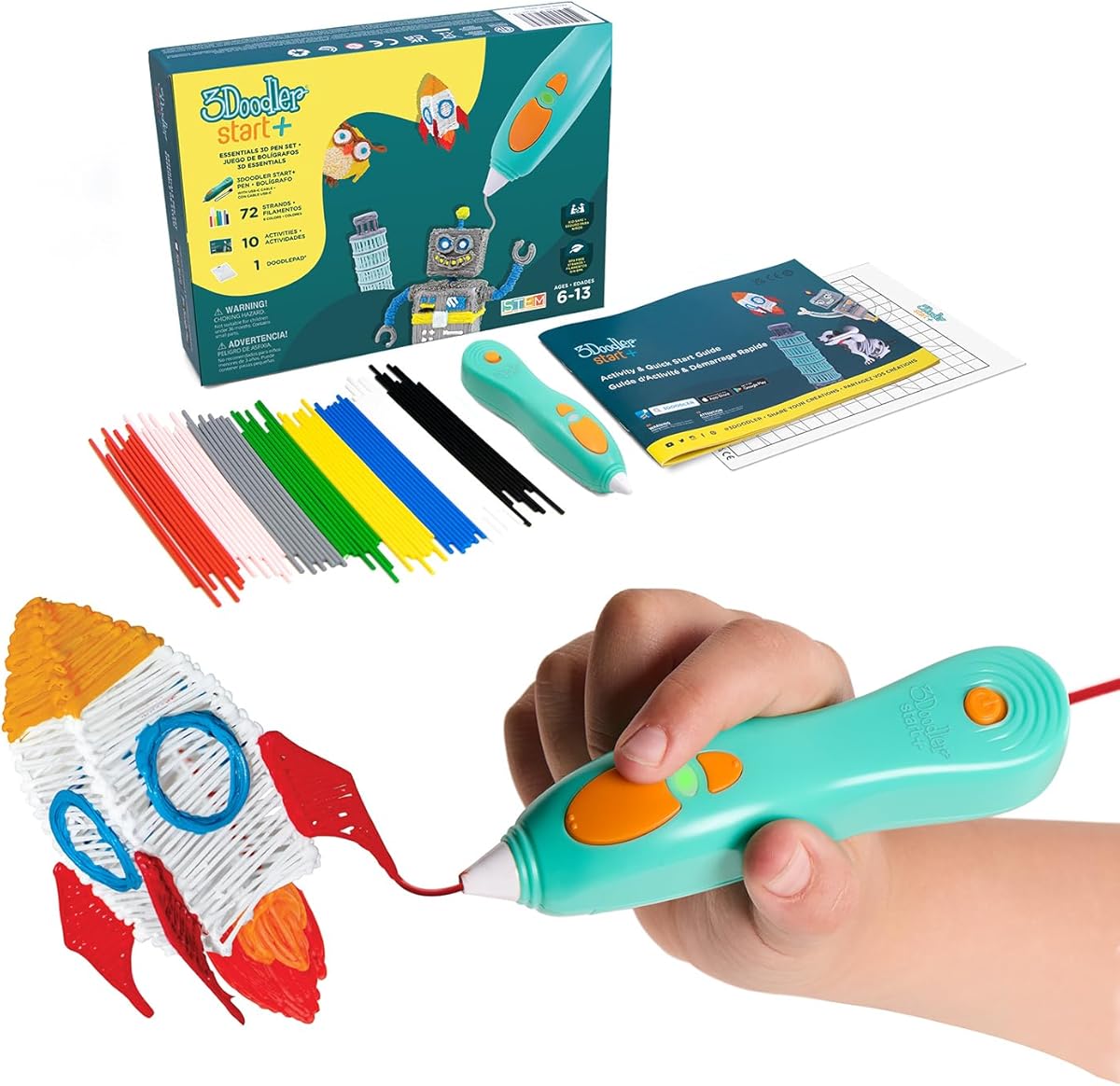
The 3Doodler Start+ Essentials set represents a specific niche in 3D printing for children: low-temperature, biodegradable filament pens. Unlike standard 3D printers, this product uses proprietary PCL plastic that melts at a safe 122°F, making it fundamentally different from adult-oriented PLA or ABS filament systems. Buyers should understand this is an introductory creative tool, not a precision manufacturing device.
Key Considerations Before Buying
- Safety vs. Durability: The PCL filament is non-toxic and cool to touch, but finished creations remain flexible and less rigid than those made with standard PLA, which is a trade-off for child safety.
- Proprietary Ecosystem: This pen only works with 3Doodler's specific Start filament refills, locking you into their ecosystem rather than allowing use of the vast market of standard 1.75mm 3D printing filaments.
- Age-Appropriate Expectations: Designed for ages 6+, the 'draw in air' capability requires significant manual dexterity; younger children may need substantial adult assistance despite marketing claims of independence.
What Our Analysts Recommend
For low-temperature kids' 3D pens, verify the exact melting temperature (this claims 122°F) and filament composition (PCL). Check if the nozzle design prevents direct skin contact and if the power source is a safe, low-voltage USB connection rather than high-voltage AC. Quality indicators include a consistent extrusion mechanism that doesn't jam with the softer PCL material and stencils that actually help guide creation.
3D Printing Filament Market Context
Market Overview
The children's 3D pen market is segmented between low-temperature safety pens like the 3Doodler Start+ and more advanced pens using standard PLA that require greater supervision. This category has exploded with STEM-focused toys, but product lifespans vary dramatically based on extruder reliability and filament cost.
Common Issues
Frequent complaints in this subcategory include filament jamming with softer PCL plastics, short battery life on cordless models, and the high cost of proprietary filament refills compared to standard 3D printing materials. Many sets include stencils that children quickly outgrow creatively.
Quality Indicators
Look for pens with consistent extrusion without blobbing, a comfortable grip for small hands, and clear safety certifications for children's toys. Better systems include accessible nozzle clearing tools and offer a wide variety of refill colors without excessive premium pricing.
Review Authenticity Insights
Grade D Interpretation
A 'D' authenticity grade with an estimated 42% fake review rate indicates significant manipulation of this product's rating landscape. The dramatic drop from the displayed 4.6/5 to an adjusted 3.6/5 when suspicious reviews are filtered suggests the genuine user experience is notably less positive than the overall rating implies.
Trust Recommendation
Given the high fake review percentage, place more weight on the detailed 3- and 4-star reviews, which are more likely authentic. Be particularly skeptical of reviews that don't mention specific, realistic child interactions with the product or that overlook the limitations of PCL filament's flexibility.
Tips for Reading Reviews
Search for reviews mentioning long-term use (beyond initial excitement), filament refill costs, and how children aged 6-8 actually fared with the fine motor requirements. Authentic reviews often discuss jamming issues, battery duration per charge, and whether the included stencils were genuinely useful.
Expert Perspective
The 3Doodler Start+ occupies a specific safety-focused niche with its low-temperature PCL system, making it genuinely appropriate for younger children where standard 3D pens would be hazardous. However, the concerning authenticity metrics—a 42% fake review rate creating a full-point rating inflation—mean shoppers must approach with caution. The proprietary filament ecosystem creates ongoing cost considerations, and the significant discrepancy between the displayed and adjusted ratings suggests genuine user satisfaction is more moderate. This product serves its safety purpose but may not deliver the seamless creative experience the manipulated 4.6-star rating implies.
Purchase Considerations
Weigh the essential safety benefits for young children against the higher long-term filament costs and the creative limitations of flexible PCL creations. Consider whether your child has the patience for the learning curve required for 'drawing in air' techniques, and factor in the likelihood of needing additional stencil packs or project kits beyond the Essentials set.
Comparing Alternatives
Shoppers should compare this specific low-temperature system against other child-safe 3D pens and also consider whether their child might be better served by a traditional modeling clay or construction set with similar creative outcomes.