
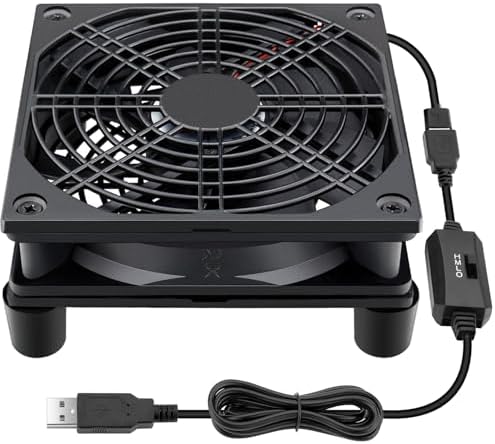
Choosing a 120mm USB-powered cooling fan for electronics beyond standard PCs
The Wathai 120mm fan targets a specific niche: cooling non-traditional electronics like AV receivers, DVRs, and game consoles with its 5V USB power input. Unlike standard 3-pin or 4-pin PWM case fans, this model's design prioritizes quiet operation and universal compatibility over high static pressure for dense heatsinks. Buyers should understand this fan is optimized for supplemental airflow in enclosed entertainment centers, not for replacing a CPU cooler in a gaming PC.
Key Considerations Before Buying
- Verify your device's ventilation: This 120x25mm fan needs adequate space for mounting and airflow; measure your receiver or Xbox vent area to ensure it fits and doesn't obstruct existing passive cooling.
- Power source planning: Since it uses a standard USB-A connector, you'll need an available USB port on your device, a wall adapter, or a powered USB hub, adding to cable management.
- Noise versus airflow trade-off: Reviews note its quiet operation at 5V, but this comes with lower CFM than 12V fans; it's for preventing heat buildup, not for aggressive cooling of overheating components.
What Our Analysts Recommend
For this category, examine the build quality of the USB cable strain relief and the fan blade material. A well-secured cable prevents internal wire breakage from frequent repositioning. Look for mentions of bearing type in reviews; while not specified by Wathai, longer-lasting fans often use rifle or hydraulic bearings rather than basic sleeve bearings for this low-RPM application.
Case Fans Market Context
Market Overview
The market for USB-powered 120mm fans is fragmented, with many brands offering similar-looking products, but build quality and noise levels vary significantly. These fans occupy a space between dedicated internal PC cooling and bulky external cooling pads, appealing to users seeking a simple, modular solution for electronics not designed with active cooling.
Common Issues
Common problems include USB connectors that loosen over time, providing inconsistent power, and motors that develop a ticking or grinding noise after several months of continuous use. Some fans also struggle to move adequate air through the restrictive grilles found on many AV receivers, limiting their effectiveness.
Quality Indicators
Quality indicators include a fully sleeved (not bare) USB cable, fan frames that maintain shape without flexing, and consistent performance reports across long-term reviews. Fans that detail bearing type and provide actual decibel ratings (even if approximate) typically represent more transparent manufacturers.
Review Authenticity Insights
Grade B Interpretation
A Grade B with an estimated 10% fake review rate suggests the review corpus is generally reliable but requires discerning reading. The adjusted rating of 4.40/5 (down from 4.67) indicates some review inflation, but the core positive sentiment around quiet operation and specific use cases appears authentic.
Trust Recommendation
Focus on reviews that detail specific installation scenarios, like cooling a particular model of PlayStation, Xbox, or AV receiver, as these are harder to fabricate. Be slightly more skeptical of overly vague 5-star reviews that don't mention a specific application or runtime.
Tips for Reading Reviews
Prioritize reviews that discuss long-term performance (3+ months) and mention the fan's behavior in a fully enclosed media cabinet. Look for balanced critiques that acknowledge its limitations, such as lower airflow compared to 12V fans, as these demonstrate authentic user experience.
Expert Perspective
The Wathai fan's strong adjusted rating of 4.40/5, based on substantial review volume, confirms it meets a clear market need for affordable, simple auxiliary cooling. Its success hinges on its specific form factor (120mm x 25mm) and power solution (5V USB), which are directly relevant to its stated use cases. The authenticity analysis suggests the praise for its quiet operation is genuine, though the slight rating adjustment implies its durability over 12+ months may be the variable to watch.
Purchase Considerations
Weigh the convenience of USB power against the potential need for an extra adapter or occupied port. Consider if your device merely runs warm or is actively throttling due to heat; this fan is better suited for the former scenario. The lack of included mounting hardware beyond basic screws means you may need to get creative with zip ties or adhesive mounts for optimal placement.
Comparing Alternatives
Shoppers should compare noise levels and cable length with similar USB fans from brands like AC Infinity, which often cater more specifically to the AV component market.


